

iPhone, Apple Watch: What did Apple’s ‘ugly’ prototypes look like?
Before becoming iconic objects, Apple’s products often started off in a rather unappealing form. On the occasion of its 50th anniversary, the company opened part of its archives, providing a rare glimpse into massive, raw, and uncertain prototypes — including one early iPhone that resembled a test bench more than a phone.
Behind the Myth of the Perfect Product, Much Rougher Beginnings
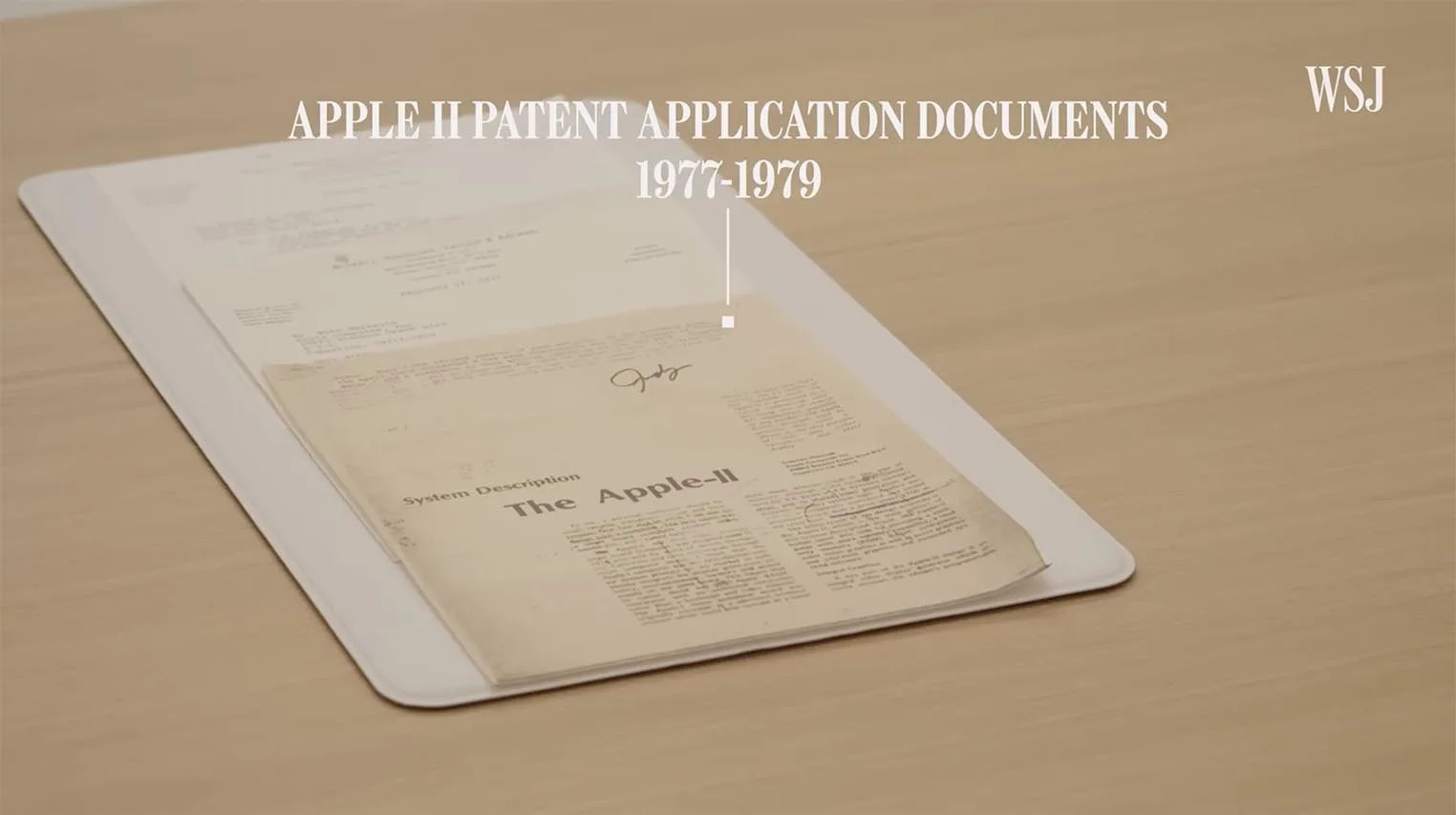
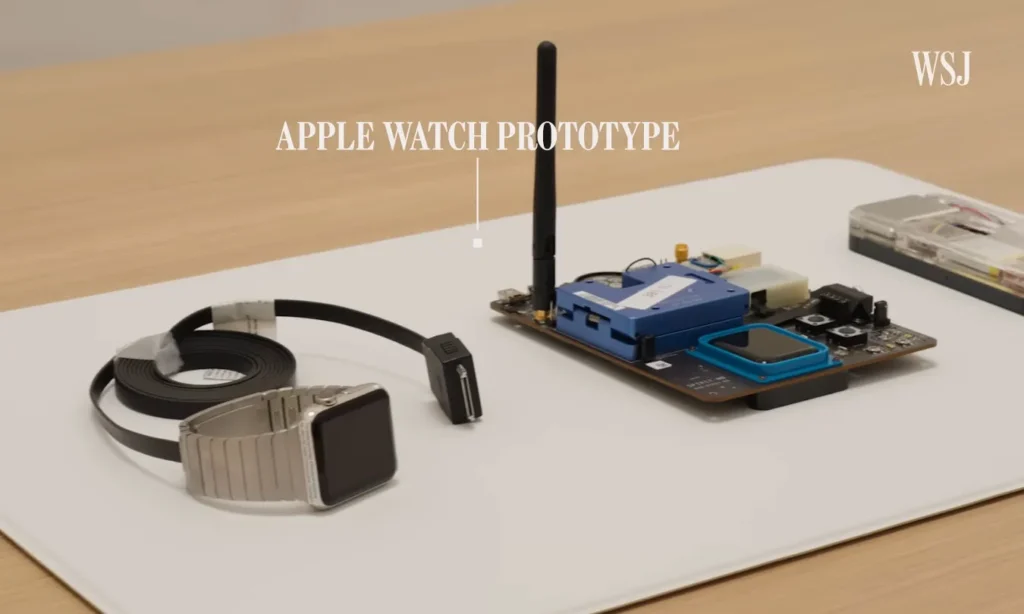
The image of Apple has relied on finish, miniaturization, and attention to detail for decades. However, the archives unveiled for the 50th anniversary of the brand tell a different story: one of objects initially designed to ensure functionality long before they seduced with their form. The Wall Street Journal, which accessed these archives with Tim Cook, notably showcases prototype iPhones, iPods, and Apple Watches that were much bulkier and more experimental than the final products.
The case of the iPhone is perhaps the most striking. One of the earliest prototypes visible in these archives takes the form of a large circuit board, primarily designed to test the interaction between the touchscreen and essential components.
In short, Apple sought first to determine whether the idea functioned technically. The design would come later.
The iPhone Wasn’t Born Elegant; It Had to Prove It Was Possible First
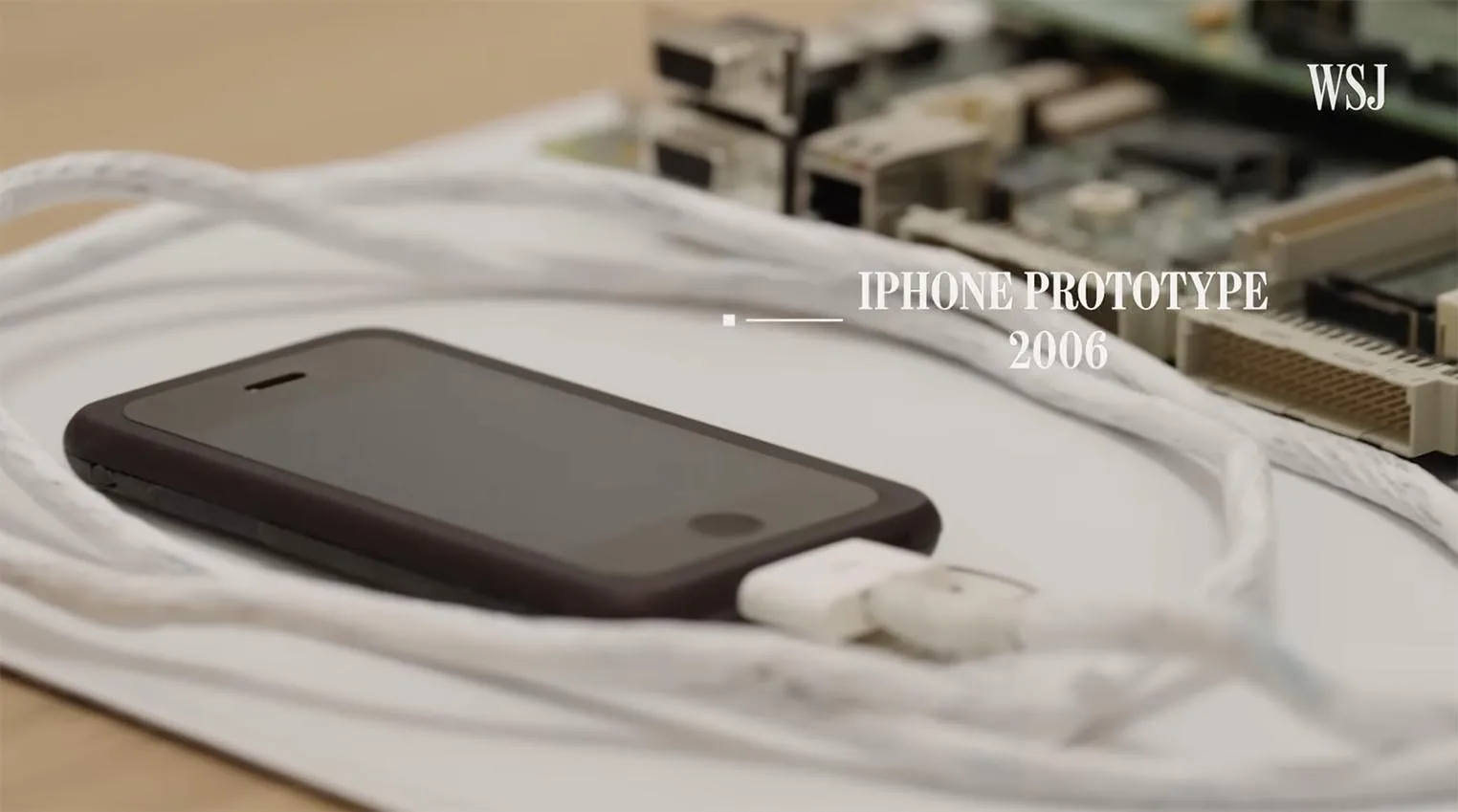
This sequence says a lot about Apple’s product culture. The company doesn’t always start with the dream object; it begins with an engineering question. Does it work? Do the components communicate properly? Is the experience sustainable in the long term? Industrial refinement comes only afterwards. This is precisely what these nearly industrial first assemblies illustrate, far from the sleek aesthetics now associated with Cupertino.
Tim Cook also reminded that even internally, the success of the iPhone was far from guaranteed. Among the problems faced late in the process was one of the most critical issues concerning the screen, which was initially prone to scratches when it rubbed against keys in a pocket.
According to the account reported by The Wall Street Journal, Apple ultimately shifted to glass just a few months before launch — a pivotal decision for the identity of the modern smartphone.
The Apple Watch Also Began Without a Clear Mission
The Apple Watch tells another form of uncertainty. The prototypes highlighted in the archives show that, in its early days, the watch relied much more directly on the iPhone. It was not yet envisioned as a standalone health product but rather as a companion to the phone, the exact function of which remained to be defined.
This is an essential detail, as it reminds us that Apple does not always immediately discover the true nature of its products. In the case of the watch, the identity sharpened over time, based on actual usage and successive choices. The health functions, which are now central to the Apple Watch narrative, gradually emerged as the company understood what made sense on the wrist.
At Apple, the Final Form Often Arrives Very Late
What these archives reveal is not only nostalgia for a technological past. It’s a method. Apple appears to operate according to a constant logic: first solve the fundamental problem, then miniaturize, and finally polish. The bulky and imperfect prototypes are not accidents along the way; they are the real laboratory of innovation.
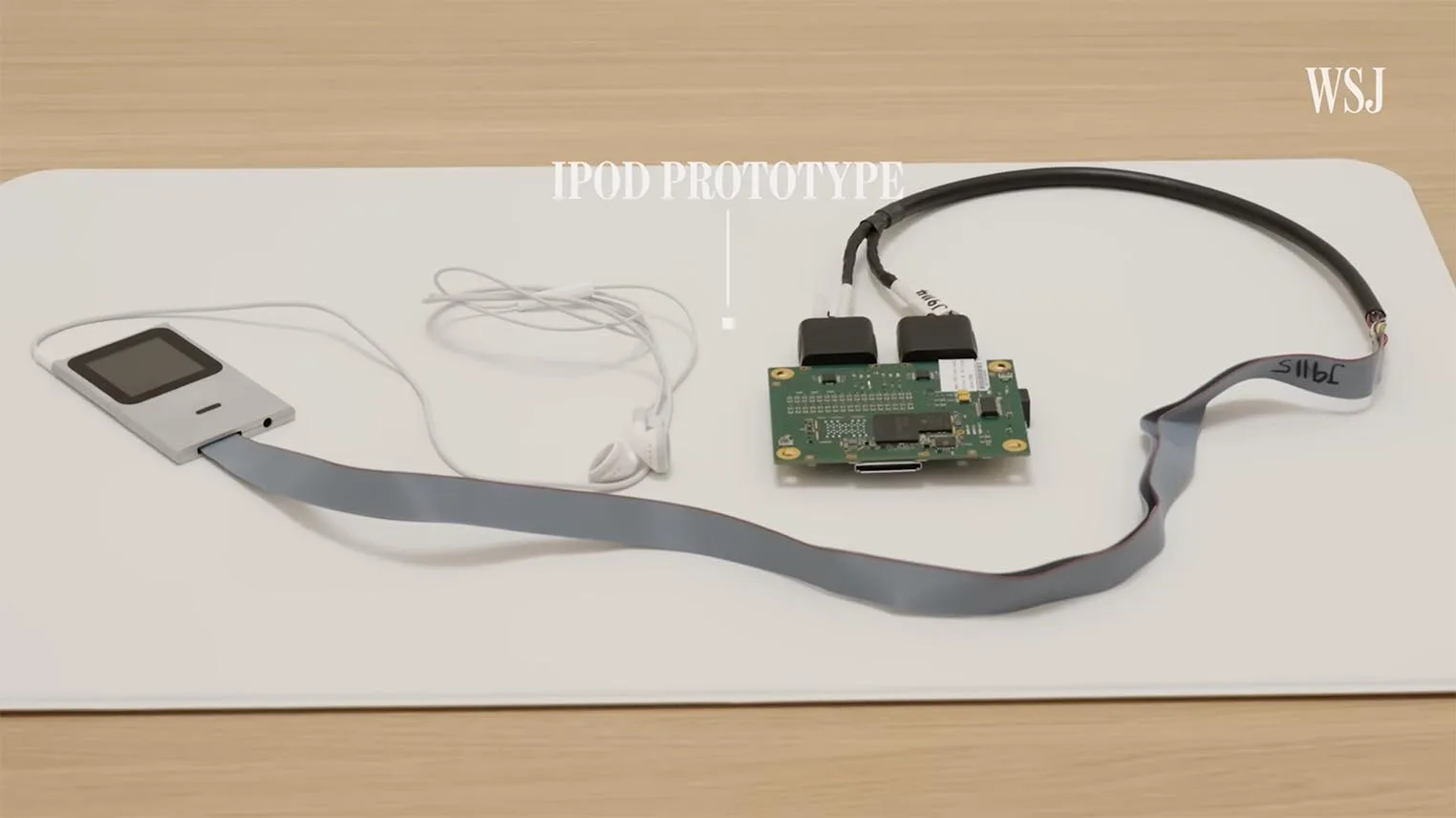
This also helps to put into perspective the myth of “instant genius.” What appears, from the outside, as a sudden emergence — the iPhone, iPod, Apple Watch — is, in reality, the result of long phases of testing, detours, and sometimes very late decisions.
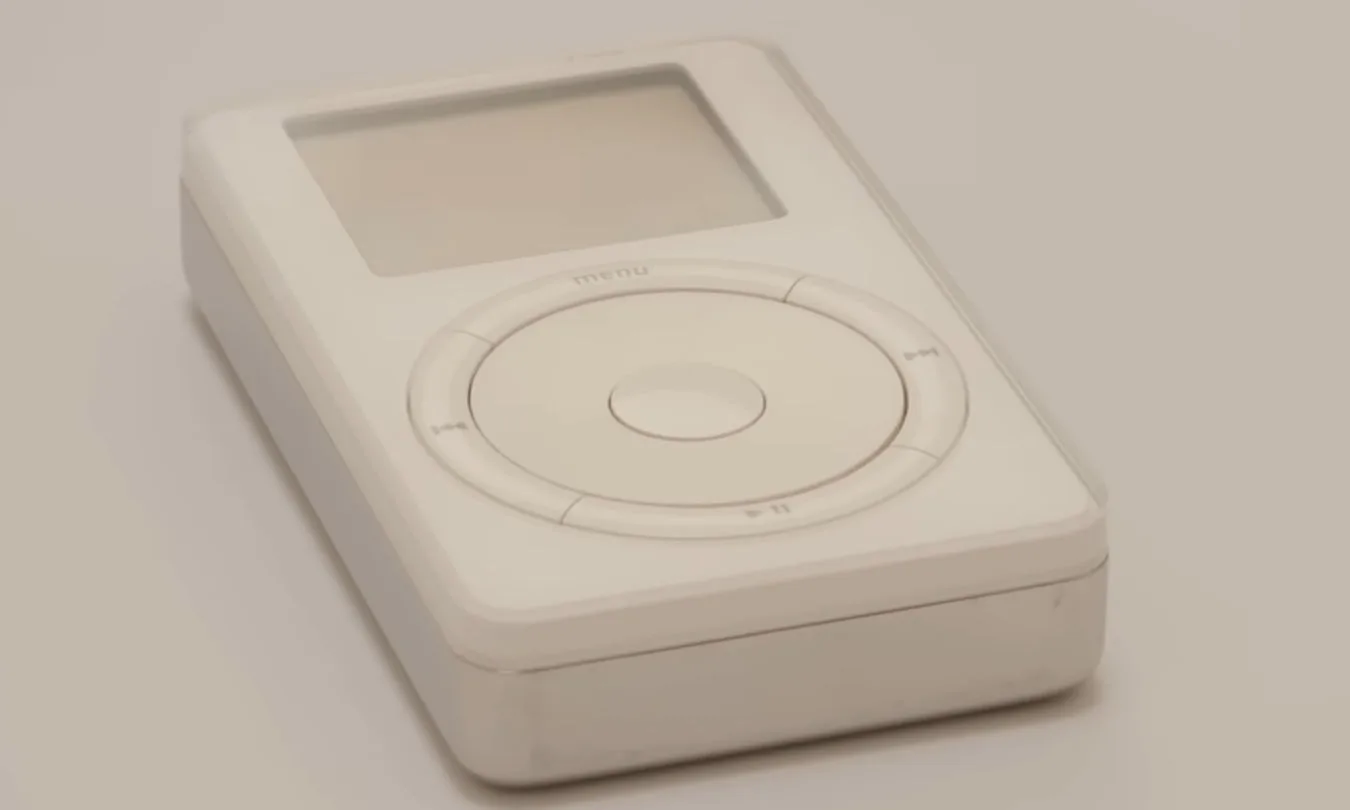
The 50th-anniversary archive serves almost as a counterpoint to Apple’s usual communication: behind the finished object has always been a long period of uncertainty.
What These Prototypes Indicate About the Future
The most intriguing point may be here. If Apple has chosen to reveal these unfinished objects today, it is also to remind us that its future products will likely follow the same logic. The next major categories from the brand probably also begin, in fact, in the form of ungraceful, oversized, and still uncertain machines.
At 50 years, Apple undoubtedly celebrates its legacy. But by opening its archives, the company primarily underscores a deeper truth: innovation is not magical. It involves awkward versions, technical bets, and last-minute choices. At Apple, products that change everyday life often begin by looking as if they are unsure of what they will become.



