

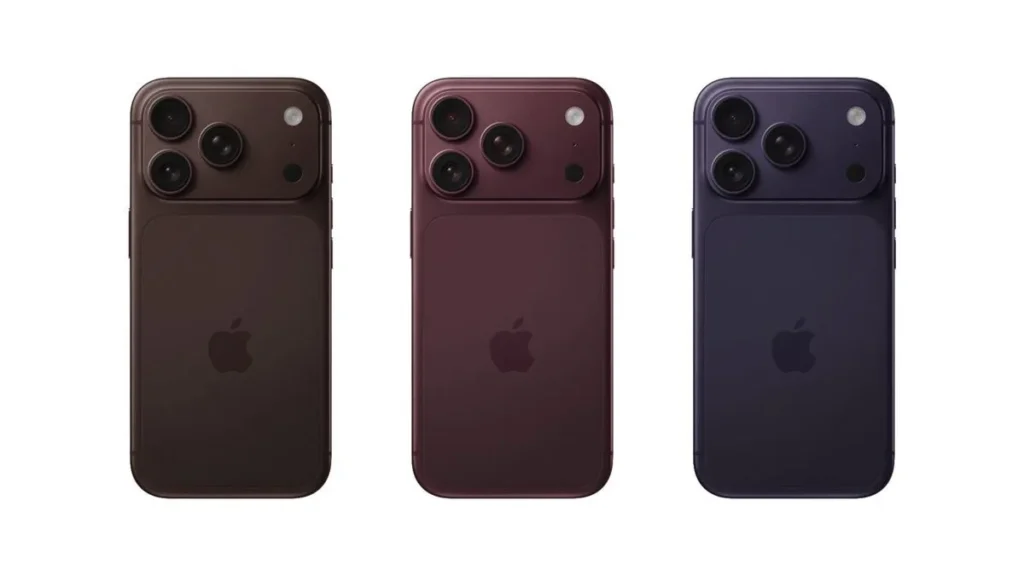
iPhone 18: Why the standard model may not arrive until spring 2027
For over a decade, the iPhone has followed a nearly unchanging September release rhythm. However, for 2026, Apple could disrupt this well-oiled machine — not out of whim, but because its product range has become too extensive to remain synchronized.
According to several reliable sources, including analyst Ming-Chi Kuo and The Information, Cupertino is contemplating a two-phase release schedule: autumn for “premium” models (Pro, Air, and potentially the first foldable iPhone), and spring for more affordable versions.
iPhone 18: An Expanding Lineup… and a Split Launch
The circulating scenario is straightforward: Apple will continue its big September reveal but allocate a portion of the next generation for a second wave in spring.
According to Kuo, an iPhone 17 would debut in the first half of 2026 (a logical entry model), while the standard iPhone 18 will be pushed back to spring 2027.
Meanwhile, autumn 2026 will feature the headliners: iPhone 18 Pro/Pro Max, a new generation of iPhone Air, and notably a highly anticipated foldable iPhone — which has been mentioned repeatedly in rumors, including from The Information.
Why Would Apple Do This Now?
If Apple finally launches a foldable iPhone, also known as the iPhone Fold, it’s a product that demands attention, marketing budgets… and occupies mental space for buyers. Placing it in the same “September basket” as a base model could risk diluting the narrative. The two-wave approach allows each segment to shine on its own stage rather than turning the keynote into a catalog.
When a lineup includes Pro, Pro Max, Air, and “e,” and soon a foldable model, the threat is less about competing with Android: it’s Apple against Apple. By staggering releases, the brand can allow each model to breathe — and prevent a “mid-range” iPhone from immediately clouding the appeal of the Pro.
Responding to a Market That No Longer Synchronizes with September
Android releases its flagships and “killer mid-range” models all year round. An Apple that syncs its releases biannually maintains a continuous presence, especially if the “e” iPhone or the standard model reignites conversations in spring. This is, in fact, the most cited argument surrounding this biannual strategy.
The Real Risk: Leaving the “Standard” iPhone Without a Successor for 18 Months
This is the most explosive point: if the base iPhone 18 launches in spring 2027, the non-Pro iPhone 17 would remain the benchmark for an extended period. Some interpretations suggest an unprecedented situation where Apple “skips” a standard model for the 2026 calendar year.
For Apple, it’s a gamble:
- Either “standard” buyers wait, and the iPhone 17 continues to sell well (often with price drops and carrier promotions).
- Or they shift to the Air/the “e”/Android, causing Apple to lose some of its volume.
This rumor speaks to a broader transition: Apple seems to be moving from an annual “event” iPhone to a “living platform” iPhone, with multiple entry points throughout the year. If the foldable truly debuts in 2026, the timeline becomes a narrative tool: September for prestige, spring for accessibility.
One crucial detail remains: nothing is officially confirmed. These are projections, credible due to their sources accustomed to reading the supply chain — but it’s not a plan etched in stone.



