

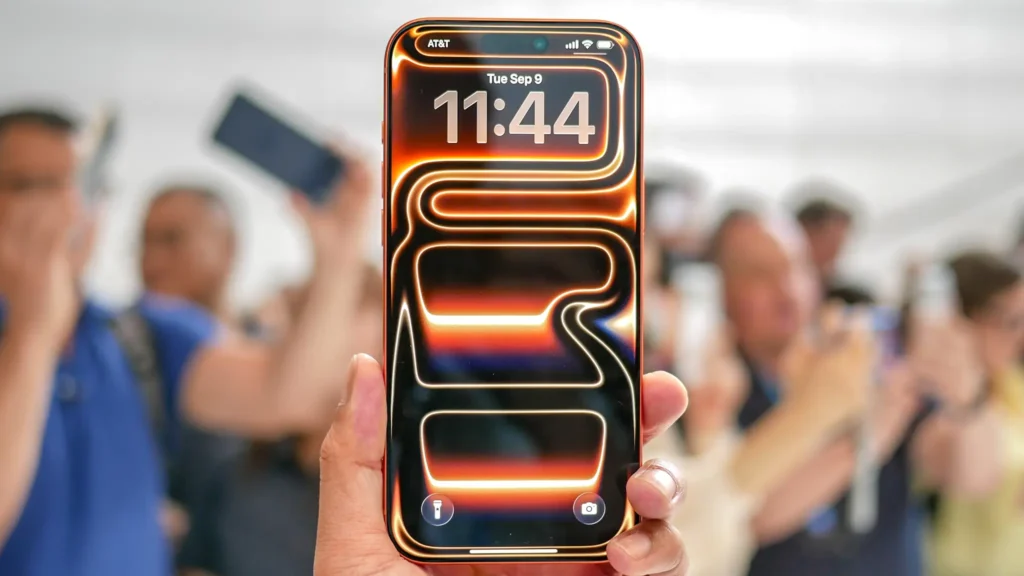
iPhone 18 Pro: Apple reportedly secures a dramatic reduction in OLED screen prices
With just weeks to go before the highly anticipated unveiling of the iPhone 18 Pro and iPhone 18 Pro Max, the question of pricing remains uncertain. In a climate where memory and semiconductor costs are soaring, Apple seems to have achieved a significant win: nearly halving the price of certain OLED screens sourced from its suppliers.
Apple Tightens the Belt on Samsung Display and LG Display
The pressure that Apple has placed on its supply chain appears to be yielding results. According to industry sources cited by the South Korean media outlet DealSite, the company has secured a substantial reduction in the price of OLED panels intended for its upcoming premium iPhones.
For the iPhone 18 Pro Max, Apple is reported to now pay approximately $68 per OLED panel, a drop from the $110 to $120 for the iPhone 17 Pro Max screen. If these figures hold true, the savings could exceed $40 per device on this one component alone. When considering the tens of millions of Pro iPhones produced each year, this difference becomes significant.
The screens for the iPhone 18 Pro are still expected to come predominantly from Samsung Display and LG Display, with Apple managing to negotiate better terms without disrupting its supplier network.
This change coincides with another unusual decision. According to previous reports, Apple has increased its safety stock of screens from about four to six weeks of supply. This approach aims to bolster production security ahead of a launch period that is expected to be particularly challenging.
Cheaper Screens, But Not Less Advanced
The reduction in price that Apple achieves does not imply a decline in technology. The iPhone 18 Pro and Pro Max are rumored to debut a new generation of panels known as LTPO Plus. Like the current LTPO screens, this technology is expected to allow for dynamic refresh rate adjustments while also improving operational speed and, crucially, energy efficiency.
This evolution might seem subtle on a spec sheet, yet it is strategically important.
The screen remains one of the primary energy consumers in a smartphone. A more efficient display, alongside batteries that are projected to be larger, could enable Apple to make significant strides in battery life without profoundly altering the visual experience.
Latest rumors suggest a capacity increase of up to 9% for some versions of the iPhone 18 Pro Max and as much as 12% for other international models.
Thus, Apple could potentially procure a technologically advanced screen while substantially lowering its unit cost. If confirmed, this industrial performance will be as noteworthy as the technical advancement itself.
The Real Battle Now Lies in Memory Costs
Why is Apple negotiating so aggressively? Because the screen likely isn’t its primary concern in 2026. The rising price of memory components is heavily impacting the entire electronics industry. Smartphones, PCs, and infrastructure dedicated to artificial intelligence are competing for production capacities that have become particularly strategic.
Apple is therefore looking to offset the rising costs of RAM and other semiconductors by reducing expenses elsewhere.
This is precisely where the savings realized on screens become meaningful. It likely isn’t about making the iPhone 18 Pro cheaper than its predecessor, but rather preventing manufacturing costs from skyrocketing. Current estimates are highly variable, with some predicting an increase between $50 and $400. Such a wide range should be approached with caution until Apple officially confirms its pricing.
Some sources specifically suggest an increase of $200 to $300, however, at this stage, it remains speculative.
Apple Also Prepares for Competition Against the Pixel 11 Pro
The pricing will be especially scrutinized as the premium market becomes highly competitive. Google has recently repositioned its Pixel 11 range, with more modest price increases on some high-end models. A substantial hike in the price of the iPhone 18 Pro could therefore create a commercially appealing opportunity for Apple’s competitors.
However, the Cupertino giant possesses a lever that few manufacturers can wield on such a scale: its tremendous bargaining power.
Ordering tens of millions of components allows Apple to negotiate terms that a manufacturer producing significantly fewer devices would struggle to impose. This purchasing power becomes even more critical when the component market tightens.
This is also a reflection of the economic mechanics of the iPhone: Apple doesn’t need to cut all its costs. Sometimes, saving just a few dozen dollars on multiple components is enough to protect a significant portion of its profit margin.
The iPhone 18 Pro Could Avoid the Most Pessimistic Pricing Scenario
Nonetheless, it would be premature to conclude that the upcoming Pro iPhones will escape any price increases. With more expensive memory, new components, potential screen evolution, and increased battery capacities, the hardware lineup will likely remain under pressure.
However, obtaining a panel at approximately $68 instead of over $100 would significantly alter the equation.
The real question may then become not whether the iPhone 18 Pro will see a price increase, but rather how much Apple can contain that rise before passing it onto consumers.
If Cupertino manages to absorb a significant portion of the component inflation through its negotiating power, its best trick this year may not come from iOS or the camera, but rather from the contracts signed with its suppliers.



