

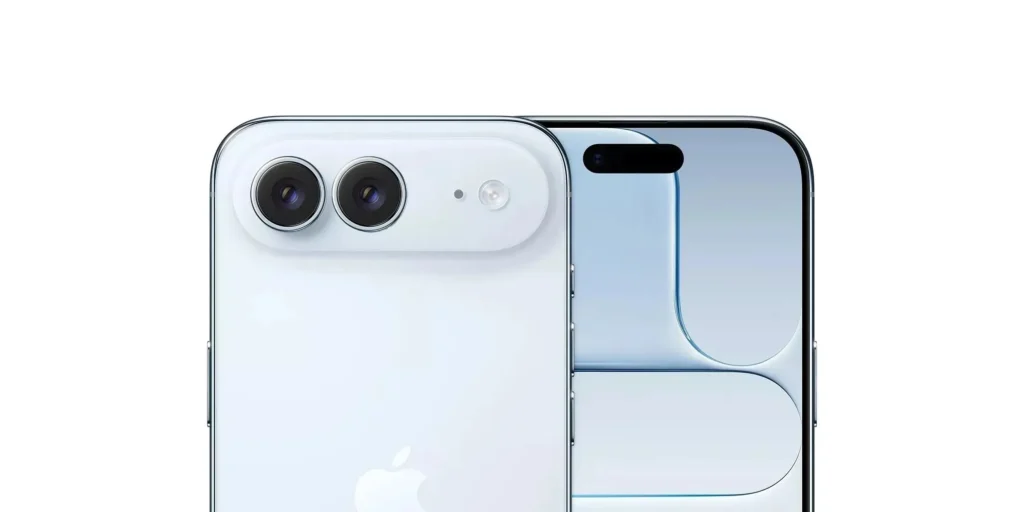
iPhone 18 Plus: The Unexpected Return of the Affordable Giant to Counter the Air’s Failure?
In recent generations, the iPhone lineup has resembled an open-air laboratory: Apple tests, observes, and makes adjustments—sometimes drastically. The Mini models have disappeared, the Plus models have struggled to find an audience, and the ultra-thin iPhone Air has entered this “large screen but lighter” space, without necessarily become the new favorite among consumers.
Now, an unexpected rumor has stirred things up: a potential return of the “Plus” model with the iPhone 18.
Where the Rumor Comes From: Tim Long (Barclays) and an Unconventional iPhone Timeline
This information comes from a research note attributed to Tim Long from Barclays, as reported by MacRumors: Apple is planning to launch an iPhone 18 “base” model in the spring (March), along with a more affordable iPhone 18e and—surprisingly—either an iPhone 18 Plus or an iPhone Air 2.
The mention of the “Plus” is particularly intriguing: this is the first time this option has been explicitly mentioned, while previous rumors suggested a revamped Air model (Air 2) to extend the “ultra-thin” concept.
Additionally, the same note hints at a Foldable iPhone that could debut later, with possible shipping in December 2026, following a traditional announcement window around September typically reserved for the Pro models.
What This Really Means: “Plus” Could Be a Name… Not a Product
Before jumping to conclusions about success or failure, it’s important to read between the lines: Tim Long’s words do not assert the “Plus” as a certainty; it’s presented as an alternative to the iPhone Air 2.
In other words, two scenarios remain plausible:
- Apple sticks with the “Air” concept (a slimmer, more premium-looking phone), and the “Plus” is merely a naming hypothesis.
- Apple re-introduces the “Plus” (large screen, long battery life, straightforward positioning) because the Air has failed to find its audience.
On this point, other sources summarizing the product roadmap lean more towards the trio of iPhone 18e/iPhone 18/iPhone Air 2 in spring 2027, without the “Plus” as a certainty.
Why Apple Might Consider Bringing Back an iPhone 18 Plus?
An “iPhone 18 Plus” may seem like a step backward, but it addresses a stable demand for a large screen and long battery life without the high entry price of a Pro Max.
It’s also a product that could be clearly understood within a lineup that has become complex:
- an “e” for affordability,
- a “base” for balance,
- a “Plus” for size/endurance,
- and Pro models for prestige and photography.
If Apple segments its launches (Pro in the fall, base in the spring), a Plus model could serve as an “effective commercial” option— a high-volume model aimed at meeting the general public’s demand outside of the Pro sphere.

However, the Risk is Evident: Apple Might Revert to a Recipe That Has Disappointed
The historical issue with the “Plus” model wasn’t the size; it was the value proposition: often too close to the base model and too far from the Pro in terms of features, leading customers to think, “If I’m spending this much, I’ll just go for a Pro.”
If Apple fails to create a clear distinction (substantially better battery life, a more premium screen, slight photography enhancements, or a better price point), an iPhone 18 Plus might find itself again being the iPhone that no one spontaneously recommends.
If Apple does launch an iPhone 18 Plus, it could have a chance to succeed under two conditions: a clear positioning (large screen + battery life as primary selling points, without cannibalizing the Pro Max), and a true differentiation from the base model (not just “the same iPhone but bigger”).
Otherwise, the “Plus” risks replaying the previous scenario: a model that looks logical on paper but generates no excitement.
Ultimately, the challenge is this: in 2026-2027, competition will not solely be about size or power but about lineup coherence. If Apple alters its calendar and diversifies formats (Air, Fold, e), every name must represent a clear promise—otherwise, users will disengage.



