

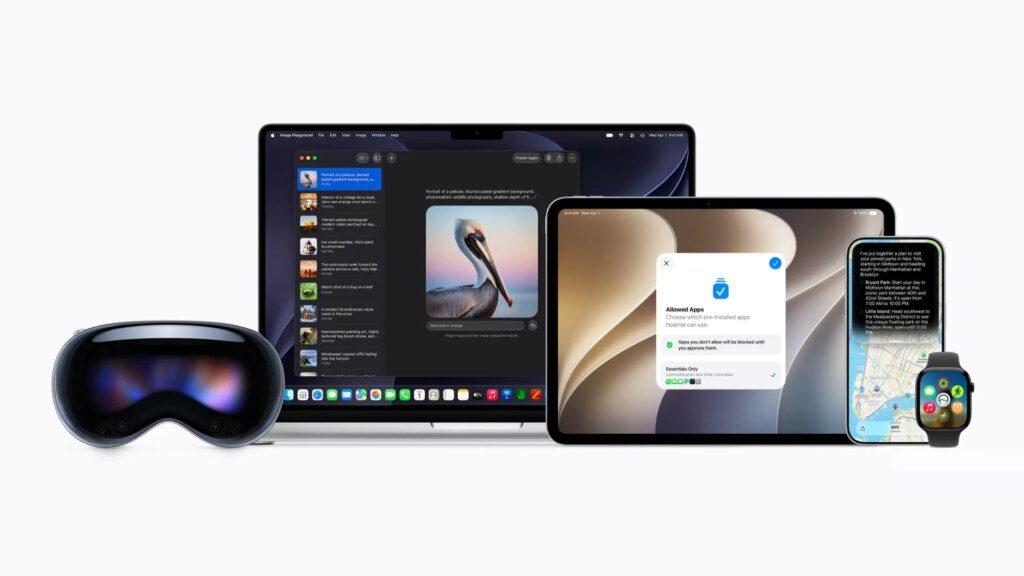
iOS 27: Why RAM is Becoming Essential for Leveraging All of Apple’s AI
For years, selecting an iPhone, iPad, or Mac primarily involved focusing on the embedded chip. With the arrival of Apple Intelligence, another component, often overlooked, is becoming crucial: RAM.
Initial insights about iOS 27 and the new AI models from Apple indicate that certain devices compatible with Apple Intelligence may not be able to run the most advanced features locally.
This shift could significantly change how users assess the longevity of their devices.
Local AI Demands More Memory
According to information revealed during WWDC 2026, Apple’s most powerful AI model may require at least 12 GB of RAM on compatible iPads and Macs.
As for the iPhone, the upcoming iPhone 17 Pro and iPhone Air are likely to be among the first models to fully utilize this new generation of integrated AI.
This requirement establishes a significant distinction within the Apple Intelligence ecosystem.
Many current devices feature 8 GB of RAM, which is adequate for accessing several AI functionalities. However, they might be excluded from the most sophisticated models that run directly on the device.
Apple Intelligence Doesn’t Ensure Access to All Features

This is likely one of the most significant changes introduced by generative AI. Until now, when an Apple device was compatible with a new software feature, the differences in user experience were generally minimal. With artificial intelligence, the situation becomes more complex.
A device may officially support Apple Intelligence while being incapable of running the most resource-intensive models locally.
The implications are twofold:
- Some features may increasingly rely on the cloud.
- Performance may vary significantly between devices despite identical official compatibility.
The Strategic Role of Private Cloud Compute
To address the hardware limitations of certain devices, Apple relies on its remote computing infrastructure known as Private Cloud Compute. This architecture enables the execution of more complex tasks on secure servers while preserving the privacy guarantees emphasized by the Cupertino company.
However, this approach also creates a new invisible hierarchy.
Devices with more memory can process more tasks locally, while older models will need to rely more frequently on the cloud.
The experience will remain functional but may not be identical.
RAM Becomes a Major Selling Point Again
For a long time, Apple managed to downplay the race for technical specifications through software optimization. Artificial intelligence could reverse this trend.
RAM is no longer just for multitasking; it is now an essential resource for executing language models, managing complex contexts, and powering advanced generative functions.
In other words, purchasing a device with more RAM is now akin to investing in its future AI potential.
A New Logic for Replacement Cycles
This evolution could change the purchasing strategy of many users. Until now, the power of Apple Silicon chips often ensured several years of comfortable use. Now, the amount of installed memory might become equally significant.
The upcoming Apple launches will be particularly telling. If the brand standardizes configurations with 12 GB of RAM or more on its iPhones, iPads, and Macs, it will confirm that future developments in Apple Intelligence will increasingly depend on the memory available locally.
The era in which RAM went unnoticed seems to be coming to a close. With artificial intelligence, it is becoming one of the most strategic criteria of the Apple ecosystem.



