

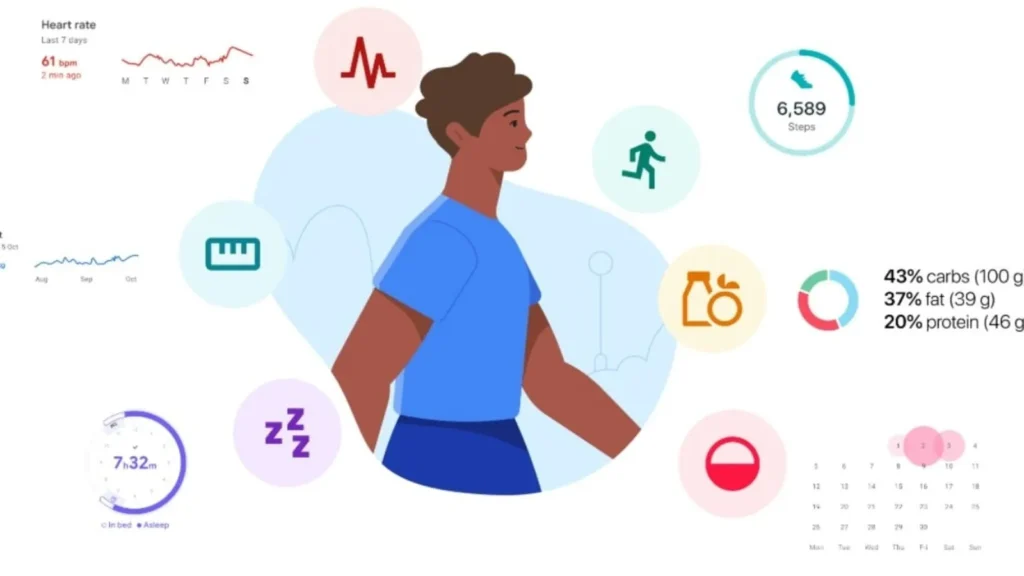
Google is preparing Health Connect to become the true health hub of Android
Once relegated to a minor role as a bridge between fitness applications, Health Connect is set to evolve. Recent discoveries in newer versions of Android indicate that Google is actively working to transform this service into a much more comprehensive health hub, capable of doing much more than just tracking physical activity.
Health Connect Gains Momentum with Android 16
Launched in 2022, Health Connect had a clear mission: to synchronize health data across various Android applications. However, with Android 16, Google is beginning to drastically revisit this approach.
The system now supports more sensitive medical data, such as allergies, vaccines, and certain lab results. But this is just the beginning. In the latest beta versions, the settings interface has evolved significantly:
- Connected applications are now prominently displayed,
- Permissions are organized by data type, allowing users to quickly see which apps access heart rate, sleep, or physical activity data.
This subtle but essential change enhances clarity and control over personal information.
Alcohol and medical symptoms: what hidden clues reveal
Some of the most intriguing elements are not visible on the screen but are hidden in the code. Recently uncovered references suggest that Google is preparing to support tracking alcohol consumption, with the ability to log various types of beverages such as beer, wine, or cocktails.
Another major development is the potential support for a wide range of medical symptoms, including insomnia, nausea, and shortness of breath. If these features materialize, Health Connect would expand beyond just fitness tracking and become a much more comprehensive health monitoring tool.
Why Google’s health strategy is crucial for Android?
These updates reflect a clear ambition: to establish Health Connect as a serious competitor to Apple Health. Google is no longer just interested in tracking your steps or workouts; it aims to centralize your entire medical life within a single, secure space.
For users, the benefits are clear. Those juggling multiple applications—nutrition, exercise, sleep, wellness—could enjoy a more unified experience, with less fragmentation and greater coherence. The new permission system also enhances transparency, making it easier to manage access to sensitive data.
A gradual yet strategic evolution
Health Connect remains an infrastructure: its potential will largely depend on the applications that build upon it. The good news is that Google can update this service via the Play Store, without requiring a complete Android system update.
No specific timeline has been provided for tracking alcohol consumption or medical symptoms. However, the signals are clear: Google intends for Android smartphones to become genuine health companions, rather than simply digital pedometers.
The transformation is underway—quiet, but strategic.



