

Google Opal: Create ‘Agentic’ Mini-Apps Without Coding Using Gemini 3 Flash
Until now, Google’s Opal tool has primarily showcased a promise of accessible “vibe coding”: describe a mini-app in natural language, adjust a workflow, and publish it. With the new update announced on Tuesday, Google is evolving Opal into something more ambitious: mini-apps capable of planning and executing tasks semi-autonomously, almost like an agent.
An agent for orchestrating workflows, not just drawing them out
According to Google, Opal now features a new agent that enables the creation of prompt-triggered mini-apps capable of executing steps independently: it “plans the next step” and selects the necessary tools. The engine mentioned is Gemini 3 Flash, designed for speed and efficiency.
The most telling example: the agent can use Google Sheets as a “memory” between sessions (like a shopping list, order tracking, or a lightweight backlog). This detail transforms a demo into a usable tool: a workflow that remembers its actions.
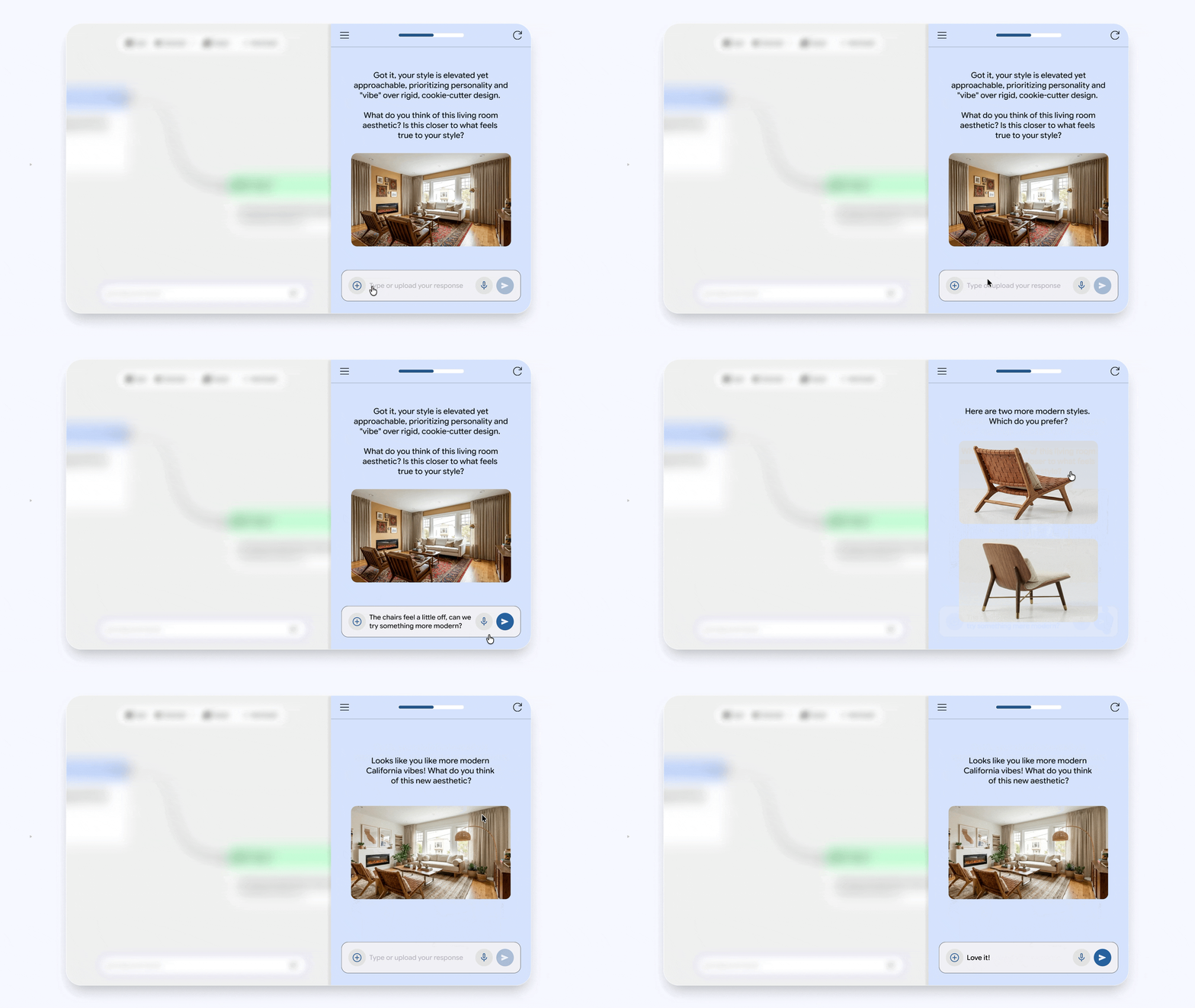
Google emphasizes a key point: these agents are interactive. When information is lacking, they can ask for clarification, offer choices, and then resume the workflow. This philosophy closely aligns with modern “agentic” assistants: reducing friction, avoiding the barrier of the “perfect prompt,” and making clarification a normal part of the workflow.
Opal integrates into the Gemini ecosystem
Opal initially started as a Labs tool launched in the United States before expanding its access. More importantly, Google has already integrated it into the web Gemini via the “Gems” manager, allowing the creation of reusable mini-apps with a visual editor. This new “agent” layer is a consolidation: Opal is no longer just an app generator; it’s a producer of micro-processes.
The market is booming: Lovable, Replit, and a constellation of new players already promote the idea of “describe it, and it gets built.” The difference is that Google can natively connect these mini-apps to an ecosystem (Sheets, Docs, Drive, etc.) and ensure a seamless flow of “agent + tools + storage” without leaving the product.
The goal is clear: to shift app creation towards workflow creation. Additionally, it aims to make agents accessible for non-tech users by framing them within an Opal interface (with visible and editable steps) instead of relying on an opaque agent that “acts in the void.”



