

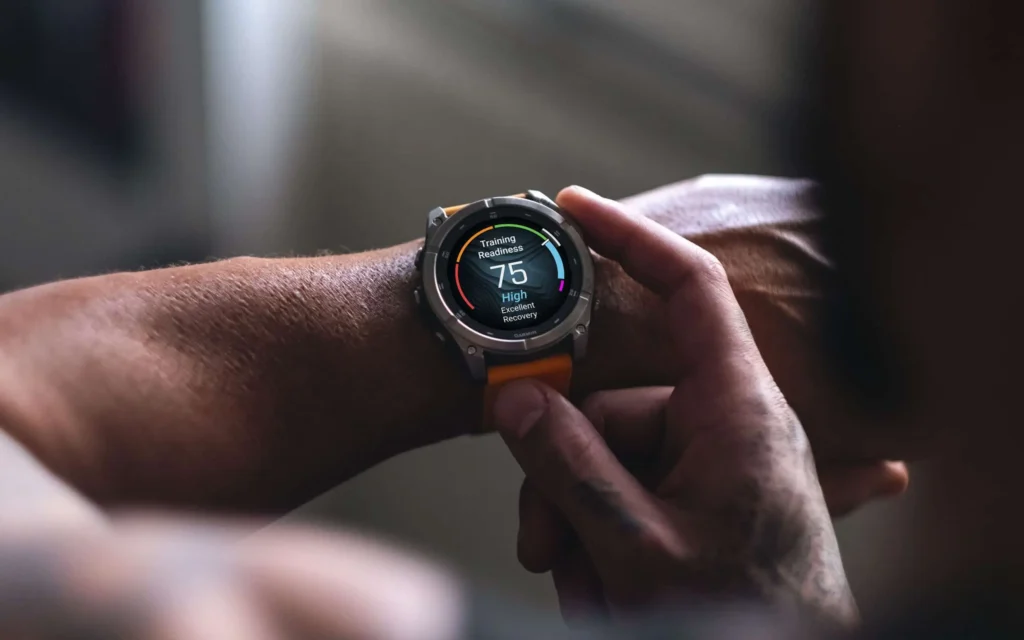
Garmin Fenix 9: 18 variants leak before the August 25 event, featuring inReach and solar capabilities
Garmin’s “Play Harder” event is set for August 25, 2026, and a detailed leak suggests that the Fenix 9 will be a highlight. A Czech retailer has listed no less than 18 variants of the Fenix 9, available in three sizes, Pro versions, and solar models with inReach.
The Fenix 9 Leaks Just Before the Garmin Event
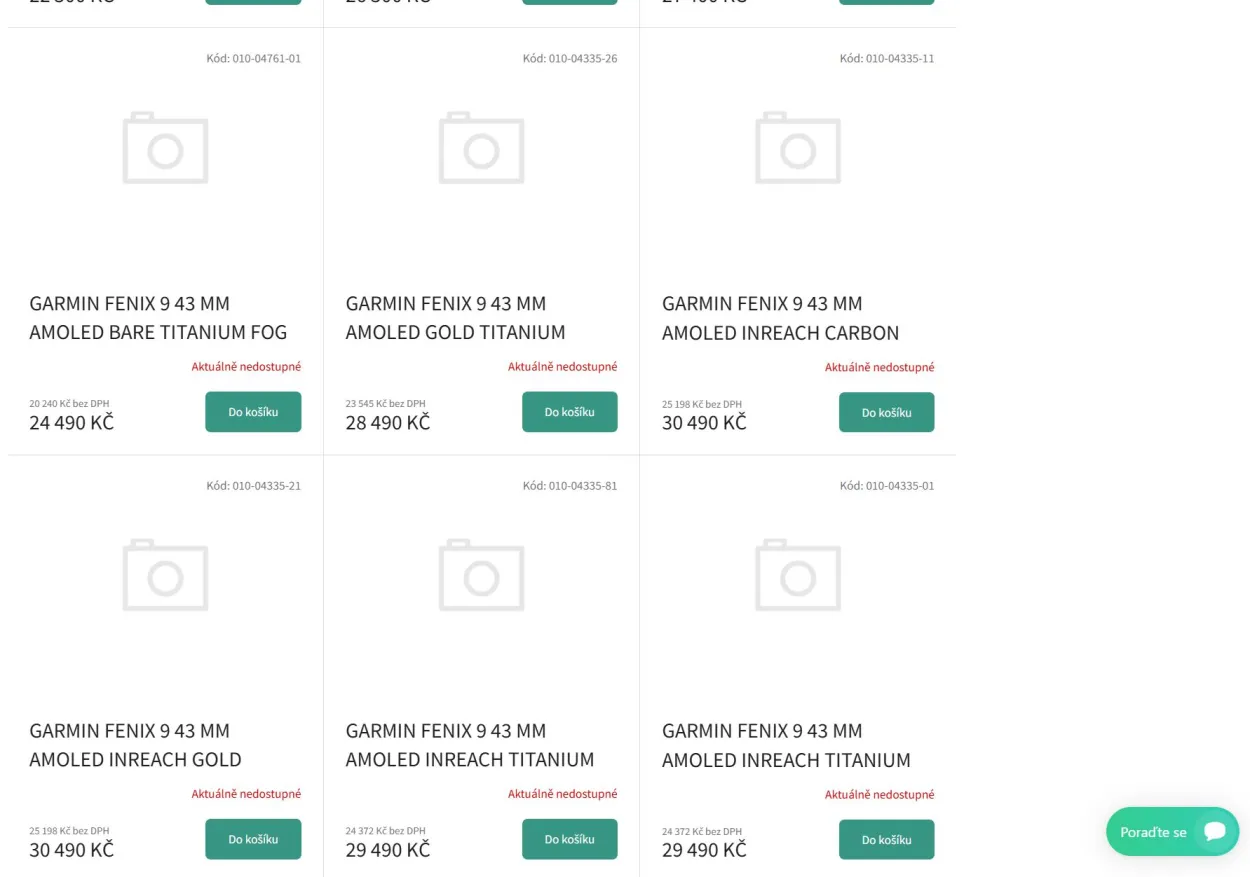
Ahead of the event, Garmin’s upcoming product lineup has already surfaced online. A European retailer has listed 18 different configurations of the Fenix 9, complete with product numbers and various size and feature combinations.
While Garmin has not officially confirmed the Fenix 9’s unveiling on August 25, the level of detail in these listings makes its absence seem far more surprising than its presence.
Three Sizes: 43, 47, and 51 mm
The Fenix 9 appears to maintain the familiar segmentation seen in previous models. Listings indicate case sizes of 43, 47, and 51 mm. Garmin seems to be avoiding drastic changes to a formula that appeals to both users desiring a compact watch and those looking for larger endurance-focused models.
The 43 mm model is particularly intriguing, as several variants seem to offer features previously exclusive to the larger versions.
inReach Technology Expands Across the Lineup
The leak indicates a significant expansion of Garmin inReach technology. This feature allows select Garmin watches to utilize satellite and cellular connectivity for messaging and safety functions in areas lacking traditional mobile coverage.
Among the 18 references found, several mid-range models, not classified as extreme versions, will already support this connectivity. Notably, four out of the six listed 43 mm variants would be compatible with inReach, marking a significant shift for the smaller Fenix model.
A Clear Strategy Against the Apple Watch Ultra
This expansion makes sense in the context of Apple’s heavy marketing around satellite communication for the iPhone and the Apple Watch Ultra, making off-network connectivity a more visible selling point to the public.
Garmin has extensive experience in this field with its dedicated inReach devices. Broader integration of this technology in the Fenix line could allow Garmin to leverage a historical advantage into a significant selling point for its watches.
For trail runners, climbers, or long-distance hikers, this feature could prove to be far more valuable than a new standard smartwatch function.
Fenix 9, Fenix 9 Pro, and Pro Solar Models
The retailer’s listings seem to be grouped into three main families: a standard Fenix 9, a Fenix 9 Pro with various inReach configurations, and Fenix 9 Pro MIP Solar models with inReach, offering both low-energy displays and solar charging. This organization immediately raises a question: what will the Pro suffix truly offer if some standard Fenix 9 models already have the most advanced connectivity features?
The answer may lie in differences in materials, sensors, storage, or unknown software capabilities.
No Standard Fenix 9 Solar Listed
One notable absence that has caught the attention of Garmin users is the lack of any non-Pro Fenix 9 Solar models. Therefore, those prioritizing a MIP screen and solar charging may need to upgrade to a more expensive Pro version that may include inReach even if they do not require it.
The Fenix 8 offered Solar variants without this connectivity layer. If Garmin confirms this segmentation, it will not merely be adding features; the brand may also be pushing some customers toward pricier configurations.
No Solar Option for the 43 mm Model Either
Another detail: no 43 mm Solar reference appears in the current list. Solar variants seem to be concentrated in the 47 and 51 mm sizes. This may have a technical explanation, as a smaller watch has less surface area to capture solar energy and a smaller battery. However, this could also disappoint users hoping to combine a small case with extended battery life.
Nonetheless, it’s essential to remember that a retailer’s catalog may not be exhaustive.
MicroLED Screen Seems Absent
The Fenix 9 was also associated with various rumors about a MicroLED screen. However, nothing of the sort appears in the 18 references that have leaked. This does not necessarily imply that Garmin has definitively abandoned this technology. A MicroLED variant could arrive later, as Garmin has done with certain high-end models.
At this stage, the initial offerings appear to center primarily around AMOLED and MIP Solar displays.
Solar Technology Remains a Key Differentiator for Garmin
Compared to Apple or Samsung, Garmin may not win the battle of apps or smartphone integration. Its strength lies elsewhere: mapping, navigation, sports, robustness, and especially battery life. The Fenix 8 Solar 51 mm can officially reach several weeks of usage depending on modes, with extended endurance when conditions are favorable.
On a multi-day hike, this kind of durability holds much more significance than a slightly brighter screen or smoother animations.
Garmin has every incentive to maintain a robust solar lineup.
European Prices May Rise Again
The leak also hints at a potential price increase. The first listed models in the Czech Republic indicate amounts nearing 1,140 euros for some entry-level 43 mm versions. More advanced configurations could exceed 1,500 euros based on conversions from the catalog.
These amounts should be interpreted cautiously. A retailer’s prices in one European country do not directly equate to pricing in France or the U.S. Taxes, margins, and configurations may vary.
However, the trend appears clear: the Fenix 9 is unlikely to become more accessible.
The Fenix 8 Remains Highly Competitive
This poses a challenge for Garmin. The Fenix 8 is still an extremely comprehensive watch. It already offers advanced navigation, mapping, diving features, microphone, speaker, AMOLED, or solar options, along with significantly longer battery life than most smartwatches. To entice current owners to upgrade, the Fenix 9 must therefore provide more than just a new designation and inReach on a few additional models.
A new hardware platform could become particularly critical.
The Processor Will Be a Key Point to Watch
Garmin users have long requested a smoother interface, particularly during map usage. A high-end Fenix priced over 1,000 euros must no longer give the impression of using an outdated platform. Garmin typically doesn’t share much about the processors used in its watches. However, in this generation, an internal performance boost could ultimately be more meaningful than a long list of new sports modes.
We will have to wait for the announcement to see if this aspect evolves significantly.
The True Challenge Will Be Justifying the Price
If this leak is accurate, Garmin seems intent on enhancing the premium nature of the Fenix. More connectivity, multiple display technologies, various sizes, and Pro and Solar variants. However, merely increasing features does not automatically justify a further price hike. At over 1,000 euros, a multi-sport watch must offer genuine user advantages, not just a longer technical specification.
On August 25, Garmin will need to not only unveil the Fenix 9 but also explain why an already expensive watch deserves to be even pricier.



