

Galaxy S27: Samsung to Focus on an Almost Unchanged Design, but Real Improvements Under the Hood
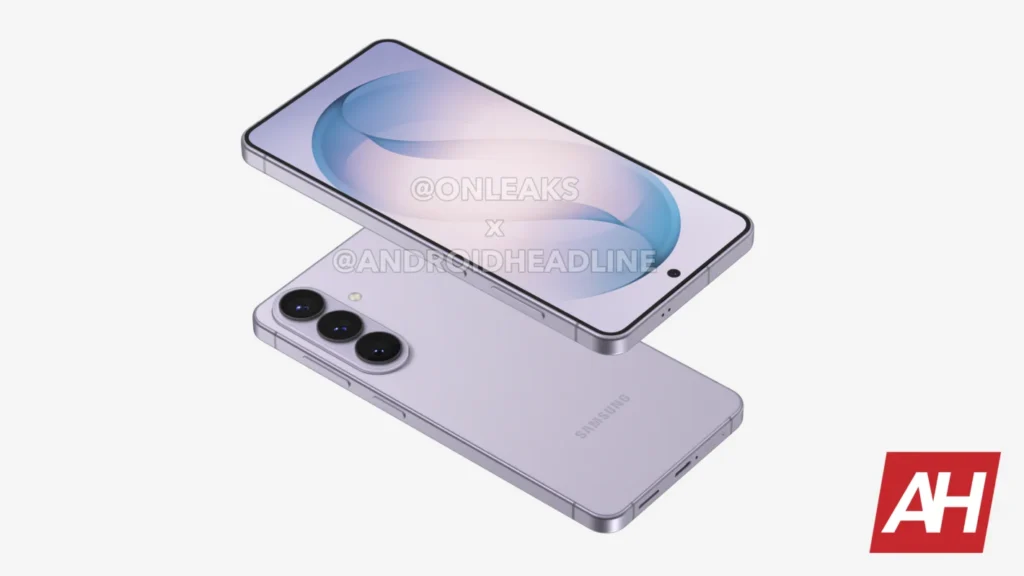
Samsung may opt for continuity with its upcoming Galaxy S27. New CAD renders attributed to Android Headlines reveal a smartphone that is nearly indistinguishable from the Galaxy S26, featuring the same 6.3-inch display, slim bezels, and three vertically aligned camera sensors.
This approach appears to be more conservative compared to what’s anticipated for the Galaxy S27 Ultra. However, while the design remains consistent, several internal upgrades are already being speculated, including a new generation of processors, a possibly larger battery, and a potential change in the main camera sensor.
The Galaxy S27 Would Look Very Similar to the Galaxy S26
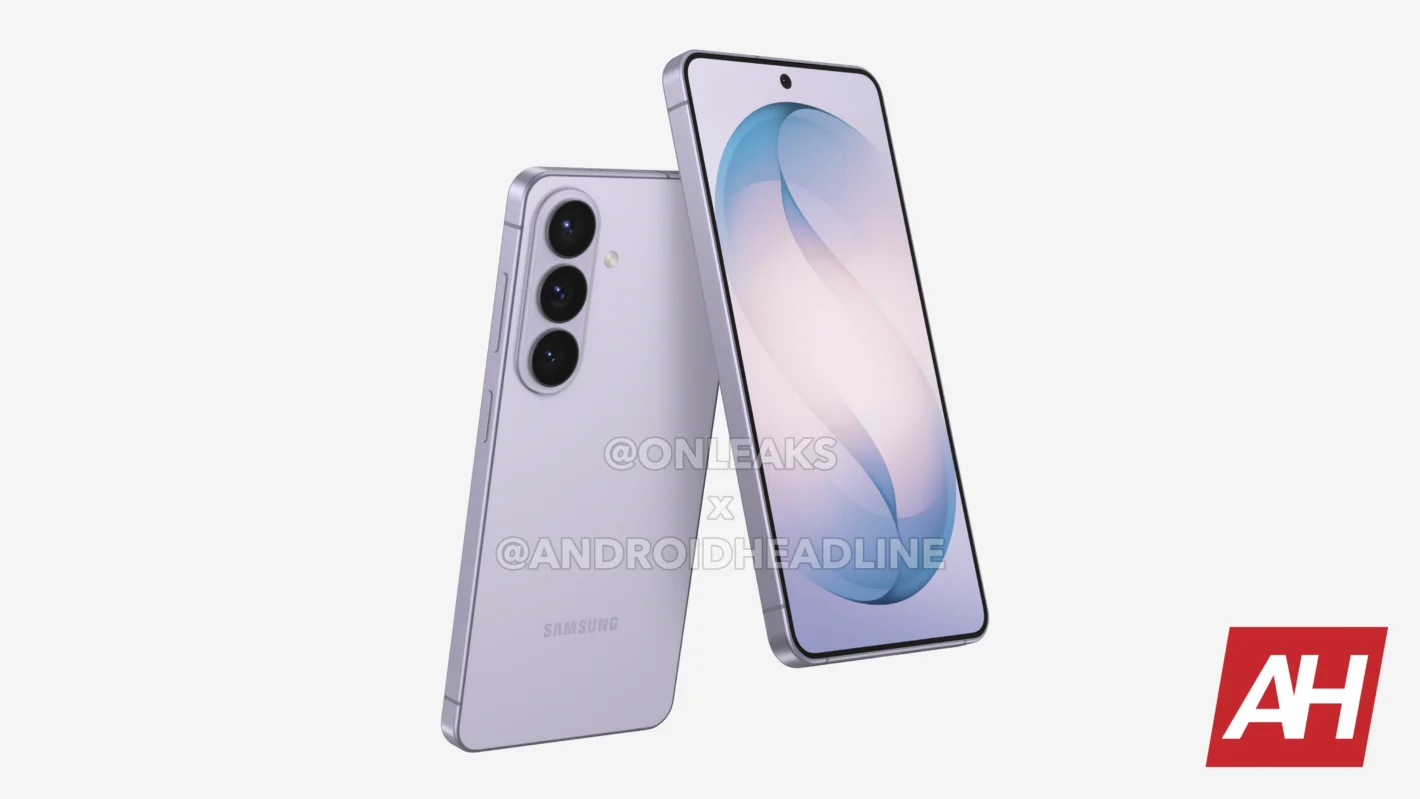
The published renders leave little doubt about the intended aesthetic direction. The Galaxy S27 will retain the general lines of the Galaxy S26, featuring a rounded chassis, a flat screen, a metal structure, and the three cameras placed vertically in the top left corner.
Samsung seemingly does not wish to implement the striking camera arrangement hinted at for the Galaxy S27 Ultra in the standard model.
This could be good news for fans of the current Galaxy S design, even if this lack of change may invite criticism regarding the perceived absence of aesthetic renewal.
Still a Compact 6.3-Inch Display
The Galaxy S27 is expected to maintain an approximately 6.3-inch display. Samsung will thus provide a genuine compact flagship, a category that has become increasingly rare in the Android market. Overall dimensions may evolve slightly compared to the Galaxy S26, but these differences are likely to be nearly imperceptible unless the two devices are placed side by side.
This stability will also allow Samsung to retain excellent ergonomics.
The standard model in the Galaxy S series remains aimed at users who want the functions of a premium smartphone without the bulk of the Ultra models.
A Very Different Strategy from the Galaxy S27 Ultra
The comparison with the upcoming Galaxy S27 Ultra is particularly intriguing. Initial images attributed to the Ultra model suggest a significant transformation, featuring a wide camera plate that departs from the isolated lenses used in recent years.
Thus, the Galaxy S27 lineup may adopt two distinct visual philosophies. The standard model will preserve the traditional identity of Galaxy S, while the Ultra experiments with a more aggressive industrial design language.
If this holds true, Samsung may be seeking to differentiate its devices more distinctly rather than enforcing a uniform design across the lineup.
The Real Innovation May Lie in the Battery
Design likely won’t be the primary reason to upgrade to the Galaxy S27. Several rumors suggest an increase in battery capacity. The exact figure remains uncertain, with early estimates placing the Galaxy S27 around 4,300 mAh, while more recent leaks indicate a possible leap closer to 4,900 or even 5,000 mAh.
This significant boost would be remarkable for a smartphone measuring just 6.3 inches and could be facilitated by implementing new battery technologies with higher energy density.
However, nothing is confirmed at this stage.
Samsung Might Finally Speed Up Charging
A larger battery could also compel Samsung to rethink its charging capabilities. The standard Galaxy S model has historically been limited to 25W, a figure that appears outdated compared to Chinese smartphones that can reach 80, 100, or even 120W. Even Apple and Google have gradually increased their charging powers over recent generations.
Thus, a move beyond 25W would make sense should there be a significant increase in battery capacity. Yet again, there is currently no solid information to confirm an enhanced charging power as a given.
Samsung has favored longevity and thermal management over a relentless pursuit of higher wattage for a long time.
Snapdragon 8 Elite Gen 6 or Exynos 2700 Depending on the Region
The processor is expected to be one of the most predictable upgrades. Samsung is likely to continue its strategy of using two different platforms based on regional markets. The Qualcomm Snapdragon 8 Elite Gen 6 is expected in certain regions, particularly the United States, while the Exynos 2700 may equip many models sold elsewhere. Samsung has already confirmed that the development of the Exynos 2700 is progressing well.
Recent rumors also suggest that the chip could represent a significant leap in performance and energy efficiency.
If Samsung truly manages to bridge the historical gap between Exynos and Snapdragon, this generation could be especially vital for its semiconductor division.
The Exynos 2700 Becomes Strategic for Samsung
The stakes extend far beyond the Galaxy S27. Samsung has been trying for several years to reduce its dependency on Qualcomm. High-end Snapdragons represent a significant cost in manufacturing a flagship, especially as the complexity and pricing of new generations increase. Using more Exynos chips would enable Samsung to better control its margins, hardware, and certain software optimizations.
Ultimately, the company hopes to make its processors competitive enough to be used more widely in its Ultra models and eventually sell them to more external manufacturers.
Thus, the Galaxy S27 could serve as a key showcase for this strategy.
Qualcomm is Also Preparing a New, Ambitious Generation
Of course, the competition won’t remain idle. Qualcomm has just begun to share details about its upcoming Oryon architecture, including a maximum announced frequency of 5 GHz and a new caching system called FlexCache. The Snapdragon 8 Elite Gen 6 should be officially presented in September.
A higher-end variant might be reserved for the Galaxy S27 Ultra, while the standard Galaxy S27 will likely use a slightly different version depending on the market.
This segmentation could deepen the performance gap between the standard S27 and the Ultra model.
Samsung May Also Revise the Main Sensor
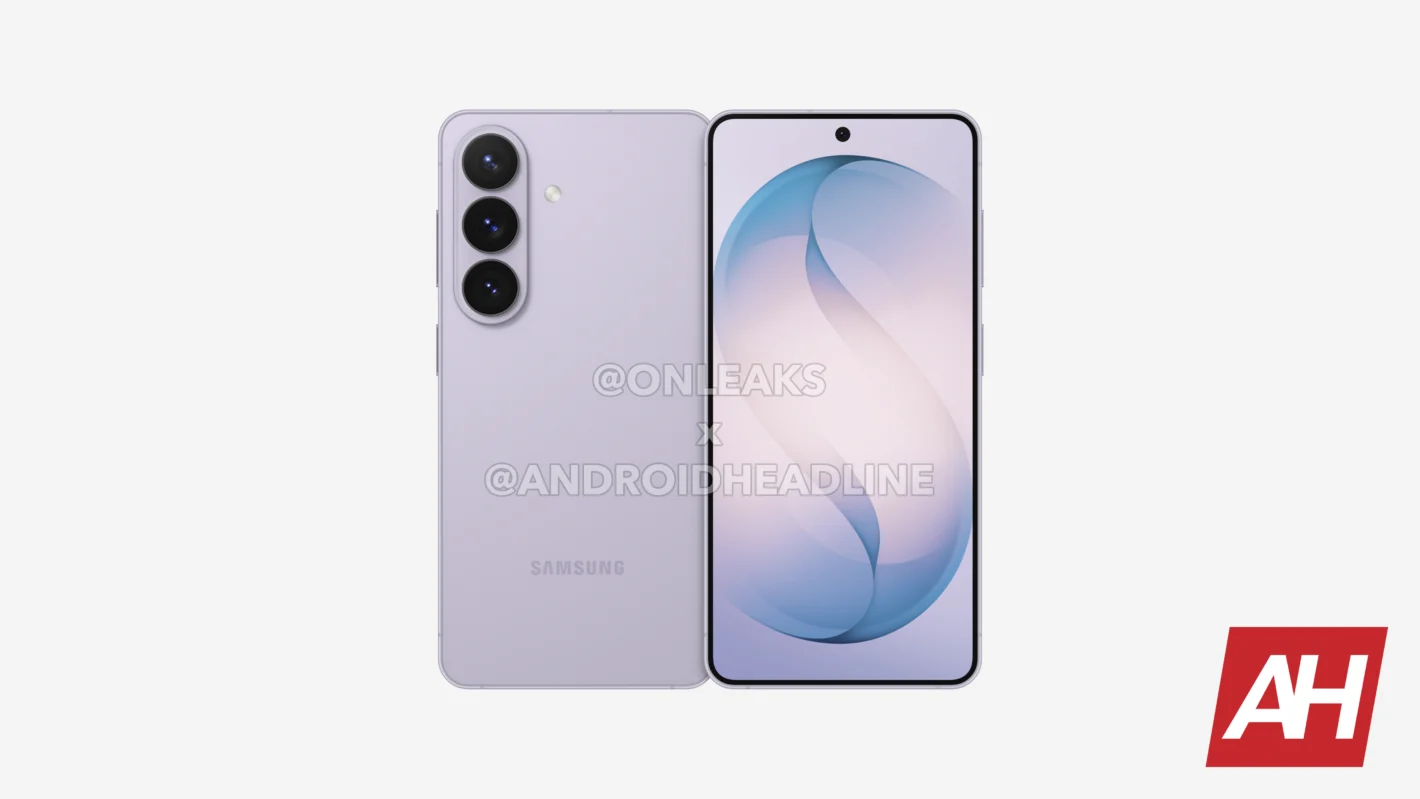
Photography remains another area of uncertainty. The Galaxy S27 is expected to keep a three-camera configuration consisting of a main sensor, an ultra-wide angle, and a 3x telephoto lens. However, some rumors suggest a new 50-megapixel main sensor.
Samsung may even consider using a Sony sensor for certain models, marking a notable shift after several generations primarily relying on its own ISOCELL technologies.
While the resolution would remain the same, this does not mean that the hardware will be unchanged.
Sensor size, photodiodes, faster reading speeds, and HDR processing can evolve significantly without increasing the megapixel count.
The 3x Telephoto Lens May Survive
Unlike the Galaxy S27 Ultra, which may drop its intermediate telephoto lens, the standard Galaxy S27 is expected to retain a dedicated 3x optical zoom camera. Initial specifications still point to a 10-megapixel sensor. This is one of the components that Samsung would do well to update.
The 3x telephoto lens has been around for several generations and is showing its age compared to competitors that use much more defined sensors. Enhancing this module would likely make a more significant difference in everyday use than a simple aesthetic change.
Android 17 and Increased Agentic AI
The Galaxy S27 should logically come with Android 17 and a new version of One UI. Artificial intelligence is likely to remain at the heart of Samsung’s narrative. The current generation has already strengthened the integration of Galaxy AI, Gemini, and contextual features like Now Brief. By 2027, these tools are expected to evolve into much more agentic behaviors, capable of chaining multiple actions across different applications.
This evolution emphasizes the importance of CPU, NPU, and memory capacity. A visually familiar Galaxy S27 may, therefore, operate in a significantly different manner.
The Price Increase Looms Over the Range
A particularly sensitive issue remains: the pricing. It’s too early to announce the price of the Galaxy S27. Even Samsung likely hasn’t finalized it yet. However, the industry’s context is not favorable. The costs of advanced processors, memory, and storage continue to strain, while several analysts anticipate another period of component price increases.
As a result, Samsung may be tempted to raise prices once again. This would be especially sensitive for the standard model.
A Galaxy S27 Priced at $1,000 Would Be Hard to Justify Without Genuine Breakthroughs
If the Galaxy S27 were to approach or exceed $1,000, Samsung would need solid arguments to support it. An almost identical design and a few internal improvements might not suffice.
At this price point, the device would be directly competing with the iPhone Pro, high-end Pixel models, and Chinese flagships that often offer greater charging power, larger batteries, or more ambitious cameras.
A significant increase in battery capacity and a genuine photographic overhaul would certainly change the equation. However, for now, these two improvements remain in the rumor stage.
Samsung Appears to Rely on a Proven Formula
Ultimately, the Galaxy S27 could embody a strategy that starkly contrasts with that of the Ultra model. While Samsung seems willing to take more risks with the design of its most prestigious device, the company is playing it safe with its compact flagship.
This choice is not necessarily negative. The Galaxy S26 already has a well-established format and relatively sleek design. Changing for the sake of change would make little sense if Samsung can use development space to enhance battery life, silicon, and photography. However, this strategy relies on an essential condition: internal advancements must be significant enough that the Galaxy S27 does not merely appear as a Galaxy S26 with a new processor.
With five or six months until its anticipated unveiling, many details could still change. However, one thing seems certain: if Samsung reserves aesthetic revolution for the Ultra, the Galaxy S27 will likely aim to impress with what lies beneath the surface.



