

Fitbit Air: Google teases a fitness bracelet without a screen
After months of silence on the hardware front, Fitbit appears ready to make a comeback with a radically different product. An Instagram teaser strongly suggests that a new screenless fitness bracelet called Fitbit Air will be unveiled today.
Fitbit Air: A Minimalist Yet Revealing Teaser
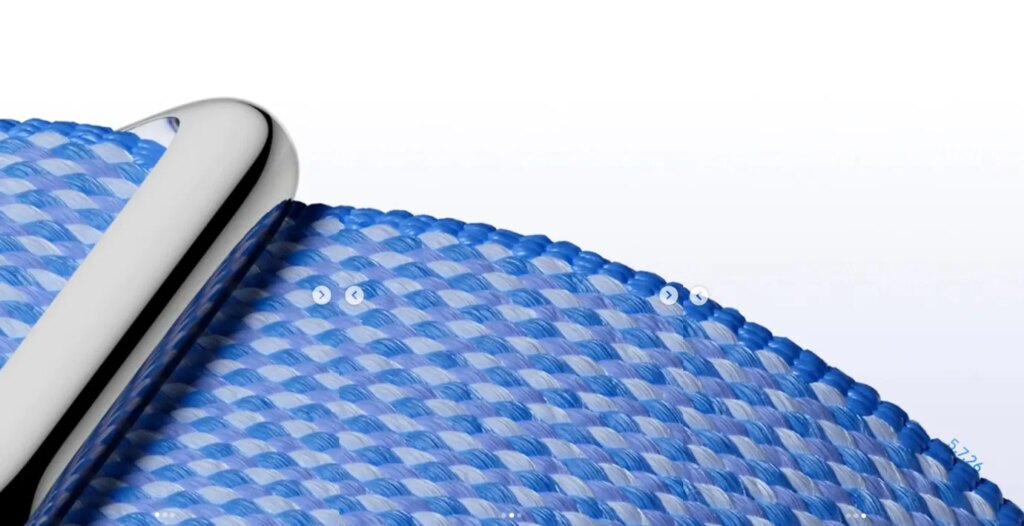
Fitbit’s official account shared an image of a very thin bracelet accompanied by a simple message: “Buckle up. 5.7.26.” If following the American date format, the announcement is set for May 7, 2026.
All indications lead to the much-discussed Fitbit Air, which has been mentioned in several recent leaks. It’s a device that leans more towards WHOOP than a traditional smartwatch.
The Fitbit Air is expected to feature a screen-free design focused solely on passive health and fitness tracking. This approach is reminiscent of WHOOP rather than conventional Fitbit bands like the Charge 6.
The concept is straightforward: fewer distractions, greater battery life, continuous tracking of sleep, stress, and recovery, with the experience mostly managed through a smartphone.
Google appears to be aiming to reposition Fitbit into a more premium segment focused on performance and well-being.
An Aggressive Price to Compete with WHOOP
According to earlier rumors, the Fitbit Air might be priced around $99, with a Fitbit Premium subscription costing approximately €79.99 per year. Even with this package, the total cost would still be lower than WHOOP’s basic annual subscription.
This strategy could allow Google to penetrate a rapidly growing market: one that favors discreet wearables centered on health data rather than notifications.
Since Google’s acquisition of Fitbit, the brand has been gradually overshadowed by the Pixel Watch. The Fitbit Air could clarify the strategy: Pixel Watch for a complete smartwatch experience and Fitbit for passive health tracking with long battery life.
This segmentation makes more sense in a market where users are beginning to tire of omnipresent screens.
The Return of Invisible Wearables?
The Fitbit Air could exemplify a broader trend: connected devices are becoming less obtrusive, quieter, and almost invisible. Following innovations like connected rings and screenless bracelets, the next generation of wearables may prioritize discreetness over constant interfaces.
Fitbit seems poised to re-enter the conversation with precisely this idea.



