Asus Pad: An OLED 144 Hz Tablet Running Android 16 for Asus’ Comeback
Asus is making a return to the consumer tablet market with a model aptly named Asus Pad. This launch comes strategically a few months after the announcement of its withdrawal from the smartphone market.
This new tablet focuses on a large OLED display, a powerful MediaTek chip, and AI features built into Android 16.
An OLED Dual-Layer Display of 12.2 Inches
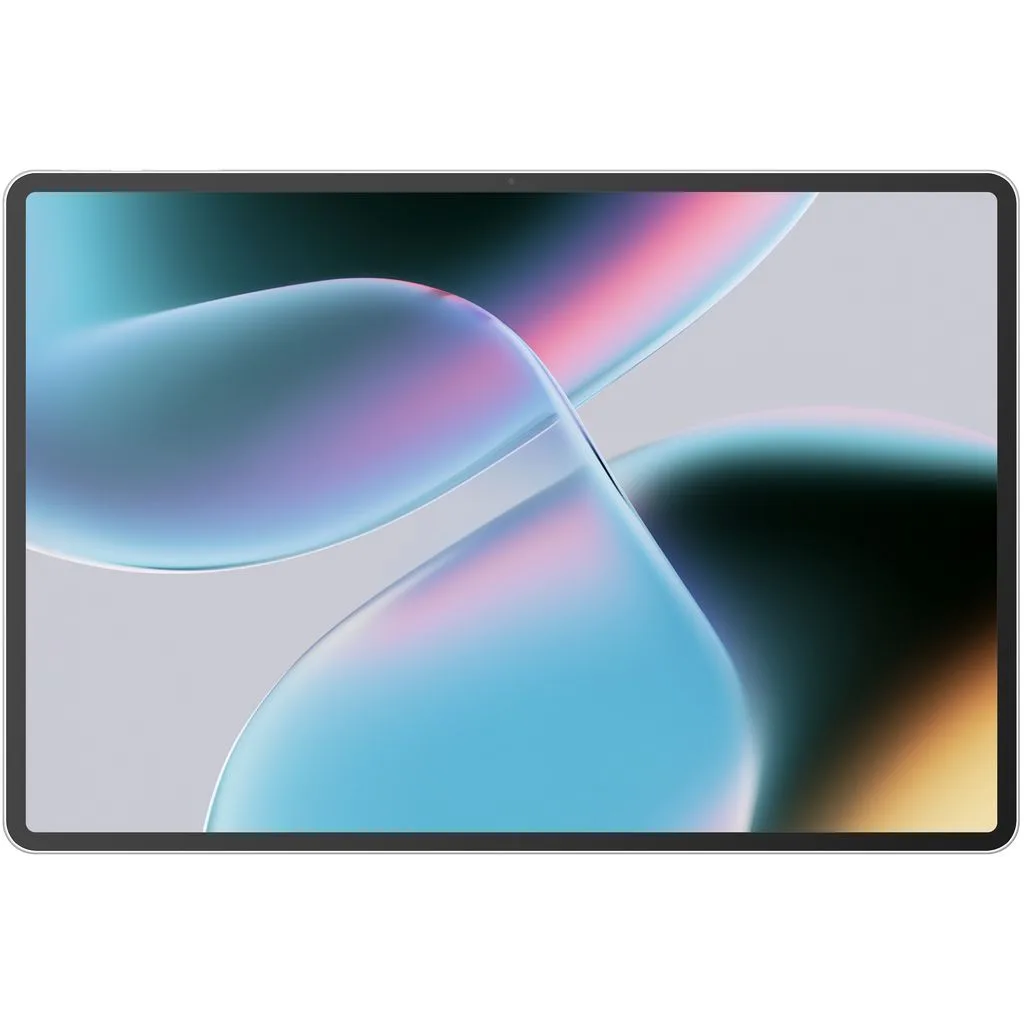
The Asus Pad features a 12.2-inch dual-layer OLED panel with a 2.8K resolution of 2800 x 1840 pixels and a refresh rate of 144 Hz.

The dual-layer OLED technology utilizes two emission layers to enhance brightness, energy efficiency, and screen longevity. The tablet also achieves 100% coverage of the DCI-P3 color gamut and reaches a typical brightness of 600 nits.
Dimensity 8300, 9,000 mAh, and 45 W Charging
Under the hood, Asus integrates a MediaTek Dimensity 8300 chip built on a 4 nm process, accompanied by 8 GB of LPDDR5X RAM and up to 256 GB of UFS 3.1 storage. A microSD port allows for an additional 1 TB of storage, a welcomed detail for a tablet oriented towards entertainment and productivity.
The battery capacity is 9,000 mAh and supports rapid 45 W USB-C charging. Asus claims the battery can reach 50% charge in about 30 minutes.
Android 16, Gemini, and Productivity
The Asus Pad runs on Android 16 and incorporates several AI features, including Surround for Google search and Gemini. The tablet also supports Asus GlideX for screen sharing, file transfers, and multitasking across devices. It is compatible with the Asus Pen 2.0 for drawing and note-taking, as well as Bluetooth keyboards.
On the multimedia front, Asus has equipped the tablet with four speakers that are Dolby Atmos compatible.

Thin Design and Premium Build
Despite its large screen, the Asus Pad maintains a 6.5 mm profile weighing 523 grams. Its magnesium chassis and fiberglass back aim to balance lightweight construction with durability.
Additional features include Wi-Fi 6E, Bluetooth 5.3, facial recognition, a 13-megapixel rear camera, and a 5-megapixel front camera.
Asus Takes a Cautious Yet Targeted Return
With the Asus Pad, the brand isn’t attempting to reinvent the Android tablet. Instead, it aims for a balance between a high-end display, solid performance, decent battery life, and light productivity.
In a market dominated by Apple, Samsung, and Lenovo, Asus will need to appeal with its pricing. However, with a dual-layer OLED 144 Hz display and robust specifications, this tablet could attract those looking for a premium Android alternative without resorting to pricier models.