

Apple under Pressure: Samsung and SK Hynix Impose Shocking RAM Hike on iPhones
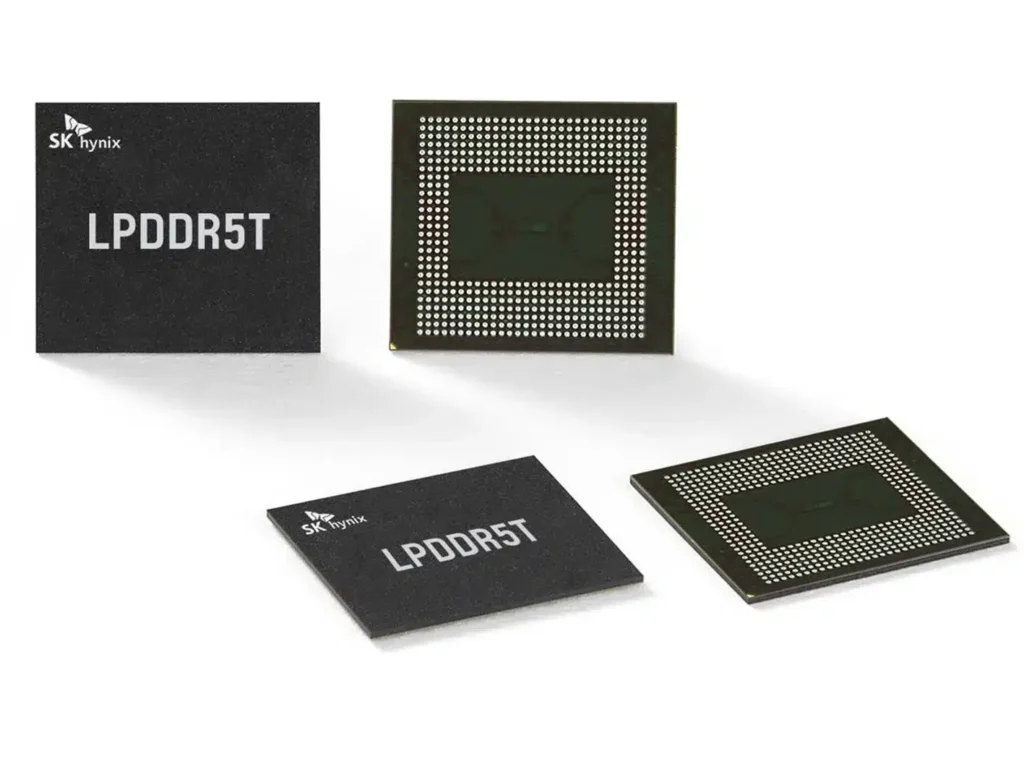
For years, Apple has been the “untouchable” buyer in the memory market—able to secure the best prices due to their significant volume of devices. However, in 2026, the tables have turned. According to Korean press reports, Samsung Electronics and SK Hynix have managed to negotiate historically high increases on LPDDR (the low-power RAM for iPhones) for the first quarter of 2026, with prices nearly doubling.
As reported by ZDNet Korea, Samsung has proposed an increase of over 80% on its LPDDR supply for iPhones, while SK Hynix has approached close to a 100% increase.
The reason is clear: memory is becoming scarce again, and when supply tightens, even the largest of clients must adapt.
What’s also noteworthy is the structure of the agreement: Apple usually signs annual contracts (LTAs). However, the article mentions that this negotiation was only finalized for the first half of the year, hinting at the possibility of further adjustments in the second half—just as the fall iPhone launch window approaches.
AI “Sucks Up” Memory, Mobile Takes a Backseat
In the background, there’s a global rush for AI infrastructure. Cloud giants are consuming massive amounts of components, prompting memory manufacturers to naturally favor higher-profit areas such as servers, HBM, and data centers. Sources indicate a market where AI demand is “absorbing” a significant portion of global supply, driving prices up and forcing consumer electronics manufacturers into difficult decisions.
In other words, LPDDR for smartphones is no longer the main focus. It has become a segment to defend against production lines that prefer the margins of AI.
The iPhone Bill Rises, and Product Design Will Be Affected
RAM is not just an “invisible” component for the business; it impacts everything:
- Margins: Apple can absorb some of the shock, but the costs can add up quickly at the scale of iPhones. While Apple is better positioned than others due to its purchasing power and contractual prices, it is not immune—an increase in consumer prices remains possible if costs rise persistently.
- Configurations: When a cost component skyrockets, trade-offs arise—limiting certain variants, pushing more profitable storage/RAM tiers, or reserving “generous” specs for Pro models.
- Timeline: If the pressure increases in the second half, the critical moment will be the new generation iPhones—because this is when the price/volume elasticity becomes a political issue, not just an industrial one.
Furthermore, there’s a domino effect: this “memory strain” doesn’t stop at RAM. TrendForce also notes significant price increases in other memory segments (consumer DRAM, SSD, NAND)—indicating a cycle where suppliers are regaining control.
Apple Enters an Era of Constraints
For years, the mobile industry has operated under a comfortable assumption: Apple controls its supply chain, and thus, its costs. In 2026, the reality is more stark: the constraints are external, stemming from a reallocation of capacities towards AI.
This is not just a temporary crisis; it’s a shift in the profit center for the entire memory industry. When memory “preferred” smartphones, Apple led the pack. Now that memory favors AI, even Apple must negotiate on less favorable terrain.
The pertinent question now is not “if” costs will rise, but rather where Apple will choose to mitigate the impact: in its margins, retail pricing, or product strategy. The upcoming iPhone will be influenced not only by embedded AI but also by the tangible economics of components.



