

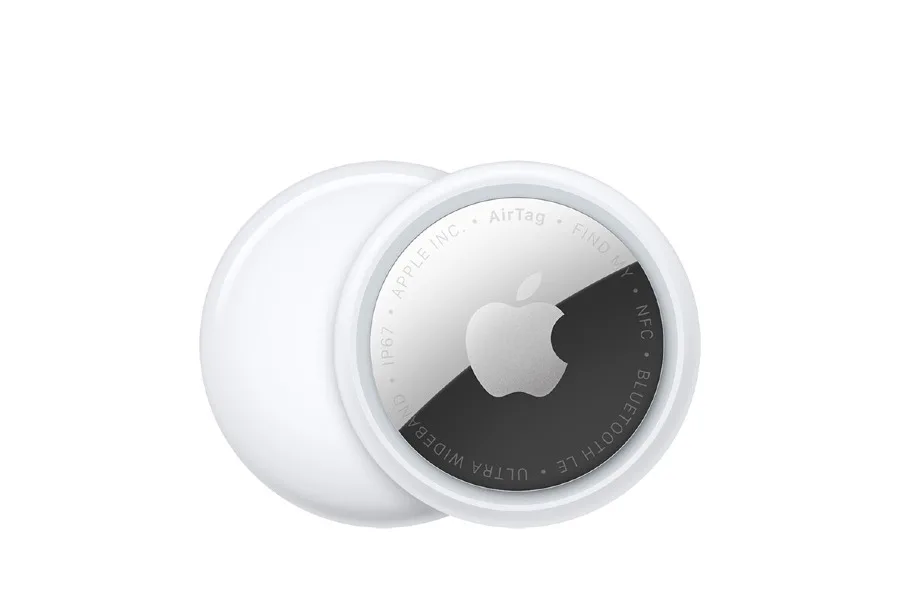
Apple launches a new AirTag: more precise, louder… and still at the same price
Apple has not changed the formula, but it has tightened the screws. The new AirTag maintains its familiar shape and unchanged pricing — €35 each, €119 for a pack of four — while improving where it truly matters: effective range, accuracy, and the ability to be heard when it gets “lost somewhere.”
AirTag (2026): The Ultra Wideband chip takes a leap forward
The core of this upgrade is the introduction of the 2nd generation Ultra Wideband chip, which Apple claims is also found in the iPhone 17 family and some recent Apple Watches.
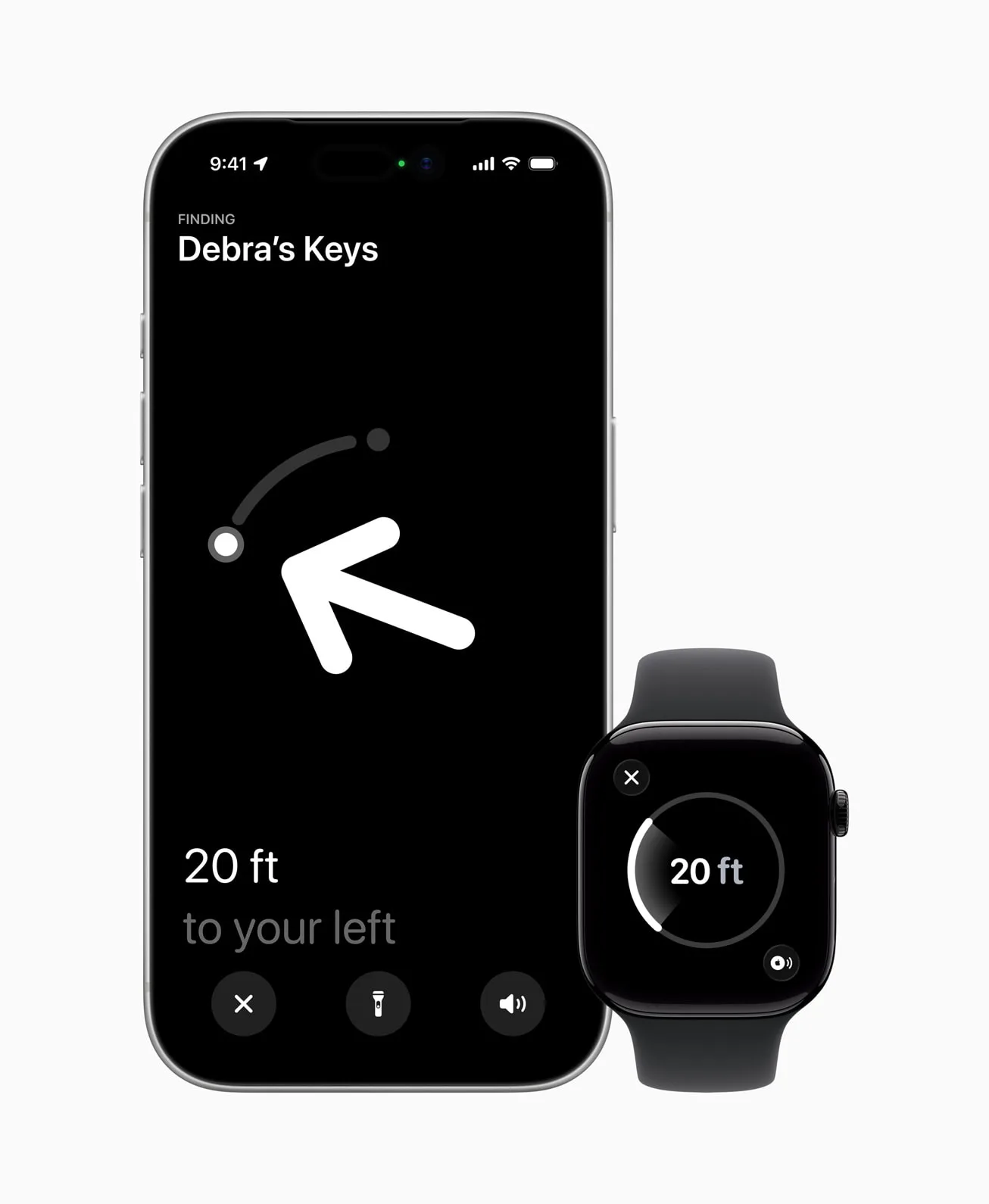
The result: precise location tracking promises to function up to 50% further than before, with its visual, auditory, and haptic cues.
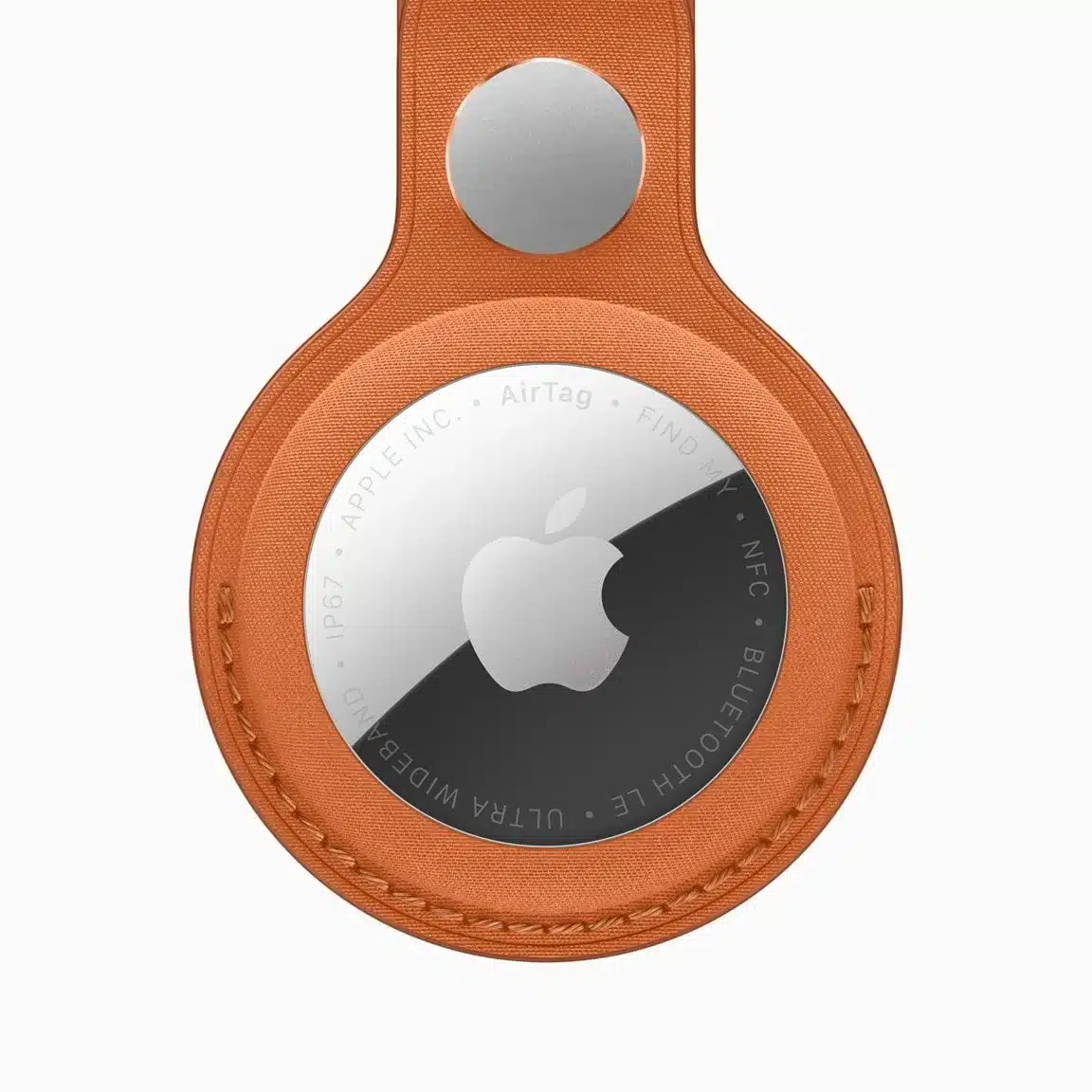
Apple adds two concrete improvements:
- A speaker that is 50% louder, making it easier to find in a bag, drawer, or couch.
- An upgraded Bluetooth chip, which is expected to extend the range at which an object can be located via the Find My network.
These are straightforward enhancements, but they address the very core of what lessens the time spent playing detective — the true KPI of a tracker.
Notable new feature: Precise Location arrives on Apple Watch
For the first time, precise search is no longer limited to the iPhone: Apple states that precise location tracking also works from an Apple Watch Series 9 (or later) and the Apple Watch Ultra 2 (or later), with watchOS 26.2.1. This makes sense: fewer gestures, more immediate access, especially when your iPhone isn’t nearby.
Privacy: Apple emphasizes anti-tracking features
Apple highlights several points: the AirTag does not physically store location history on the device, and exchanges with the Find My network are protected by end-to-end encryption.
The company also reiterates its safeguards against unauthorized tracking: cross-platform alerts, frequently changing Bluetooth identifiers, and collaboration with Google on a standard aimed at curbing the misuse of trackers.
What this says about Apple’s strategy
This launch is quintessentially “Apple 2026”: no disruption, but quietly enhancing the product. Same price, same format, compatibility with existing accessories preserved — yet noticeable improvements where the user experience really counts.
As trackers have become everyday items (luggage, keys, bicycles, bags), Apple is reinforcing its advantage: the seamless integration of hardware, the Find My network, and guiding UX.



