

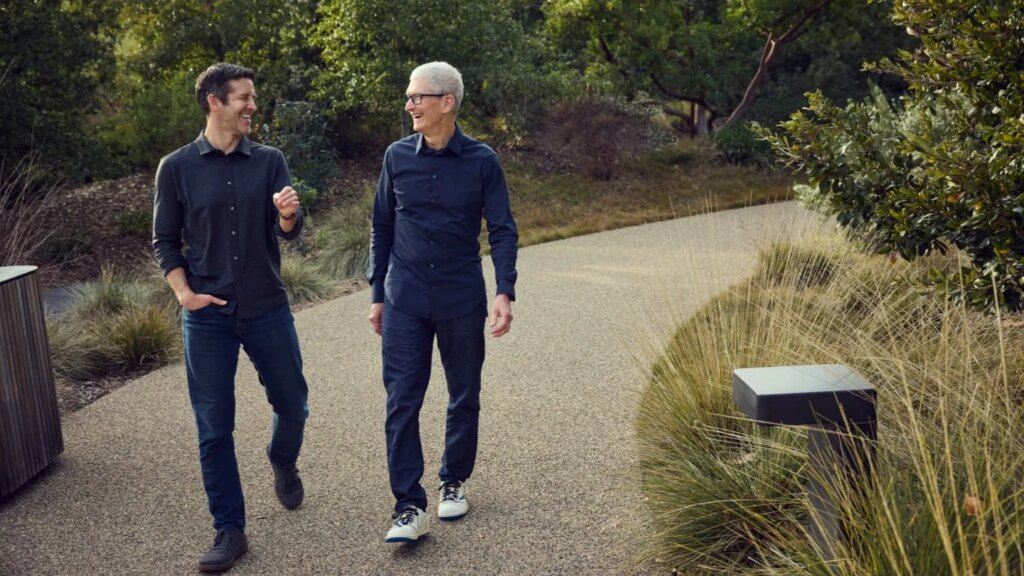
Apple: John Ternus may restore design as a central role in the company
For decades, design has been one of the pillars of Apple’s identity. More than just a department responsible for product aesthetics, the organization previously led by Jony Ive played a direct role in the company’s major strategic decisions.
According to a recent Bloomberg report by Mark Gurman, this dynamic may soon receive a new boost. With John Ternus expected to take the helm at Apple, the company may seek to give more influence back to its design teams, after several years marked by significant departures and a gradual loss of weight within the organization.
This evolution could have consequences far beyond the mere appearance of future products.
The Golden Age of Design, According to Apple
During Steve Jobs and Jony Ive’s era, design occupied a central place in Apple’s operations. The creative teams worked closely with engineers, marketing managers, and top management to define the vision for upcoming products. This approach gave rise to some of the most iconic devices in the tech industry: the iMac, iPod, iPhone, and iPad.
At that time, the philosophy was clear: design was not just a wrap for technology; it helped define it.
This proximity to the top of the hierarchy allowed designers to have a direct impact on the company’s direction for a long time.
The Turning Point After Jony Ive’s Departure
The situation began to change when Jony Ive gradually stepped back from daily operations in 2015 and left Apple for good in 2019 to establish his design studio, LoveFrom.
Initially, the transition seemed controlled under the leadership of Evans Hankey, appointed to ensure continuity. However, several organizational changes gradually altered the historic balance between design and management.
Unlike her predecessor, Hankey never integrated into Apple’s executive leadership team. She reported directly to Jeff Williams, then the Chief Operating Officer, a choice that already symbolized a shift in internal governance.
According to Gurman, this reorganization marked the beginning of a period when design lost some of its strategic influence.
A Series of Departures That Weaken the Organization
Jony Ive’s departure was not an isolated incident. Over the years, several key figures from the design studio left Apple to join LoveFrom, start their own companies, integrate into other tech groups, or simply retire. This wave of departures gradually reduced the number of experienced professionals capable of transmitting the design culture that had long distinguished Apple from its competitors.
Currently, the industrial design team is led by Molly Anderson, while Steve Lemay oversees software design after Alan Dye’s departure to Meta.
Although the internal situation had stabilized in recent months, Bloomberg believes the company now has a less robust pool of talent and succession than during its most influential years.
Visible Changes in Apple Products
Mark Gurman suggests that the organizational changes are also reflected in the products themselves. Apple continues to regularly update its ranges, but major design breakthroughs have become rarer.
Categories such as the Apple Watch, AirPods, and Macs have maintained a relatively stable visual identity over several generations. This stands in contrast to the time when Apple frequently reimagined the appearance and ergonomics of its products at regular intervals.
This more conservative approach has refined already mature designs but has also fueled criticism from those who miss the boldness of the Steve Jobs era.
John Ternus, The Man Of Renewal?

In this context, John Ternus emerges as a key figure for Apple’s next decade. As the current head of hardware engineering, he enjoys a solid reputation internally and possesses a deep knowledge of product development. According to Gurman, he could leverage this position to strengthen the ties between design, engineering, and software development teams.
Among the proposed avenues are:
- Strengthening design leadership.
- The appointment of a high-level executive dedicated to this activity.
- Better representation of design in strategic decisions.
- Closer collaboration between designers and engineers.
The goal would be to restore a culture where product innovation relies not only on technical advancements but also on a strong creative vision.
Design Remains at The Heart of Apple’s DNA
During a recent internal meeting, John Ternus emphasized the importance of design in the history and future of the company. According to him, Apple will continue to place design at the center of its strategy, viewing this discipline as a fundamental aspect of its identity.
This declaration is not trivial. At a time when the tech industry is heavily focused on artificial intelligence, services, and hardware performance, Apple seems to want to remind us that a successful user experience goes beyond power or functionality.
A New Era for Apple?
If Bloomberg’s analyses are confirmed, rebuilding the design organization could become one of John Ternus’ first major projects as the future CEO. Beyond simple internal reorganization, this decision would send a strong signal: Apple is looking to reconnect with one of the philosophies that shaped its greatest successes. In an industry where products sometimes tend to look alike, restoring more power to design could allow the brand to regain a crucial differentiating advantage.
Apple’s history has often demonstrated that a significant innovation arises from the meeting of technology and creativity. The next step for the company could precisely involve rebalancing these two forces.



