

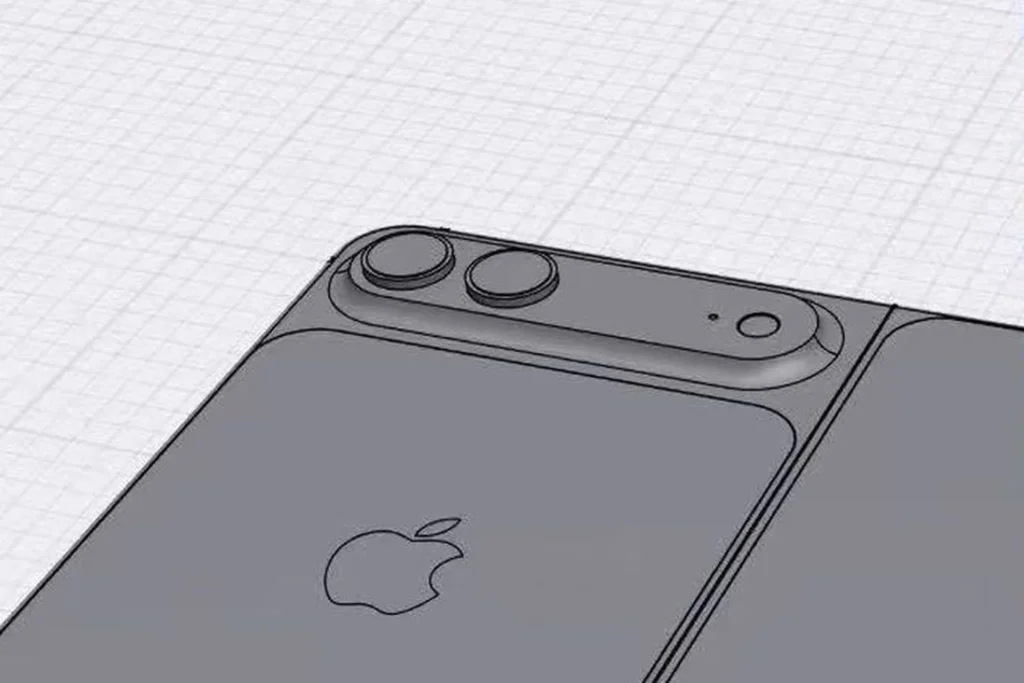
Apple is reportedly preparing a second foldable iPhone for 2027: a strong signal for the future of the lineup.
While the first foldable iPhone has yet to be officially unveiled, Apple is already looking towards the next generation. According to insights from Mark Gurman, the Cupertino-based tech giant is currently developing a second foldable model set to launch in 2027, just one year after the debut of the first device.
Internally referred to as code name V78, this upcoming smartphone will coincide with the 20th anniversary iPhone and signifies a clear ambition: to establish foldables as a sustainable category within the iPhone ecosystem.
This strategy indicates that Apple does not view its first model as merely an experiment, but rather as the beginning of a new product family.
Apple focuses on a long-term vision for foldables
Unlike several Android manufacturers that have often switched designs and experimented with formats across generations, Apple appears to have taken a more cautious approach. Over the years, the brand has monitored the developments in the foldable smartphone market while competitors like Samsung, Google, Honor, and OPPO gradually enhanced their technologies.
This patience may now provide Apple with a significant advantage.
By entering the segment later, Apple benefits from a more mature market, sturdier screens, and a software ecosystem that is already better suited to multi-format devices. The ongoing development of a second generation suggests that the company anticipates regular updates to its future foldable lineup.
A design inspired by the iPad rather than the early Galaxy Fold
Recent leaks indicate a fairly accurate image of the first foldable iPhone. Apple appears to have opted for a wider and more compact design than the initial Samsung foldable smartphones. The device is expected to feature a 5.5-inch external screen and a 7.8-inch internal display with a 4:3 aspect ratio once unfolded.
This choice is significant.
The 4:3 aspect ratio is historically associated with the iPad, striking an excellent balance for reading, multitasking, and content consumption. With a size similar to the iPad mini, the future foldable iPhone could effectively transition into a mini-tablet when opened.
Apple seems to emphasize user experience over mere technological novelty.
Software integration at the heart of the project
As is common with Apple, hardware is only part of the equation. The company is already collaborating with developers to optimize applications for various screen sizes, ensuring a seamless transition between closed and open modes. This approach echoes the strategy employed during the launch of the iPad, and more recently, the Apple Vision Pro: preparing the software ecosystem ahead of time so that the utility is immediately relevant upon product release.
The goal is clear: to avoid compatibility issues that have sometimes hindered the adoption of early Android foldable smartphones.
Samsung seems to be following a similar path
Interestingly, recent rumors suggest that Samsung may also be re-evaluating its design strategy. Several leaks point to a wider Galaxy Z Fold expected in the next generation, aligning more closely with the format anticipated for the upcoming foldable iPhone. The South Korean manufacturer might even consider further segmenting its lineup with an Ultra model aimed at users seeking an even larger screen.
This convergence suggests that the industry is gradually moving away from the very narrow formats of early foldable devices in favor of configurations more akin to tablets.
The iPhone Ultra could become a permanent new category
Beyond technical specifications, this rumor reveals Apple’s intentions. The company does not seem to be developing a niche product intended just to test the market. By already working on a second generation before the first model has even launched, the firm signals that it anticipates a sufficient demand to justify annual updates.
The foldable iPhone could thus become an enduring member of the standard, Pro, and Pro Max lineup.
This evolution would also open new possibilities for Apple Intelligence, advanced multitasking, and productivity experiences that have so far been reserved for tablets.
More than a new format, a new chapter for the iPhone
The release of a second foldable iPhone as early as 2027 could represent a significant shift in the history of Apple’s smartphone. After transforming the industry with the iPhone, popularizing larger screens with Plus models, and establishing Face ID with the iPhone X, the brand now seems poised to explore a new category of devices that can merge the functionalities of both phones and tablets.
The pressing question is no longer whether Apple will launch a foldable iPhone, but rather if this new generation of devices will effectively appeal to a broad enough audience to become the next cornerstone of the Apple ecosystem.
And it appears that in Cupertino, this answer is already being anticipated.



