

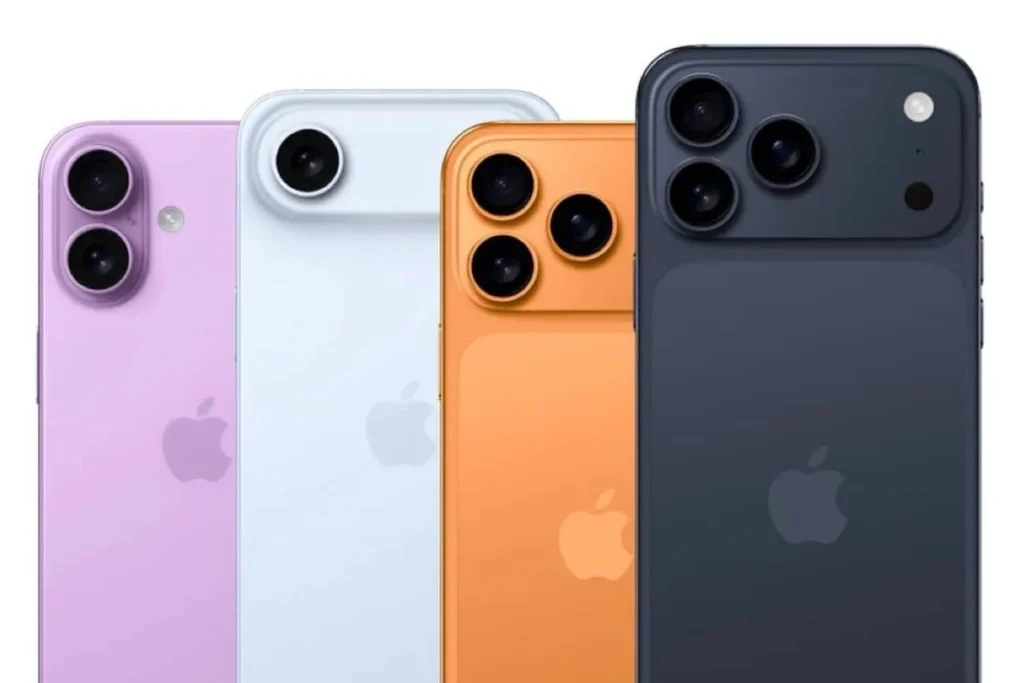
Apple dethrones Samsung: Why the iPhone 17 is winning even in a crisis?
The smartphone market has had a tumultuous start to the year, but two players are clearly standing out: Apple and Google. According to Counterpoint Research, global shipments fell by 6% in the first quarter of 2026, affected by rising memory costs and a fragile demand context.
Amid this challenging landscape, Apple has claimed the top position globally with a 21% market share, surpassing Samsung at 20%.
Apple Takes the Lead in the First Quarter, a First
The most significant point from the report is that Apple has never led the global market in a first quarter before. Counterpoint attributes this performance to the strong traction of the iPhone 17 lineup, aggressive trade-in offers, and a more robust momentum in several Asian markets, including India.
Apple has even grown by 5% year-on-year in a market that is generally declining.
In contrast, Samsung has seen a slight decline. The company remains close with a 20% market share, but Counterpoint links its shortfall to delayed launches and weaker demand in the entry-level segment—two particularly sensitive issues in a quarter marked by DRAM and NAND shortages.

The Real Subtext of the Quarter: Memory Crisis
The market hierarchy is not solely explained by products; it also reflects a broader industrial issue. Counterpoint emphasizes that the memory shortage continues to impact the industry, with rising costs for DRAM and NAND components directly affecting shipments and brand strategies.
In this context, Apple has managed to withstand the pressures better than most. While it’s less flashy than product innovation, it’s often the subtle factors that make a difference in a tough quarter: a better-handled supply chain, a more resilient premium brand, and the ability to safeguard demand where others are already struggling to defend their margins.
Pixel May Be Quiet, But Its Growth Is Noteworthy
While Apple grabs headlines, Google is marking one of the most notable growths this quarter. According to Counterpoint, the Pixel lineup grew by 14% year-on-year in the first quarter of 2026, even as most brands faced a general market slowdown.
The analysis firm attributes this growth to edge AI capabilities, computational photography, and a software experience perceived as cleaner and simpler. The launch of the Pixel 10a during the quarter is also believed to have supported this momentum.
This is a significant figure, not because it positions Google among the heavyweights in volume, but because it confirms a trajectory. The Pixel still doesn’t aim to dominate the global market by units, yet Google appears to be successfully building a loyal premium base in several mature markets, with a clearer value proposition than before.
A Contracting Market That Is Restructuring
The paradox of early 2026 is apparent: the market is contracting but not stagnating. It is becoming more concentrated. Apple is solidifying its position at the premium global level, Samsung remains powerful but is more exposed to sensitive segments, and Google continues to gain ground without engaging in a frontal volume war.
Counterpoint even notes that outside the top 5, Google and Nothing are among the few brands showing net growth in this challenging quarter.
Apple Wins the Crown, Pixel Gains Something More Durable
Perhaps the most interesting aspect is not just that Apple is number one for a quarter. Apple already knows how to win at the premium level. What stands out more is that Pixel is starting to exist as a credible exception in a pressured market. While many brands struggle with rising costs, shortages, and blurred differentiation, Google is gradually establishing itself within a recognizable premium niche, driven by photography, integrated AI, and software.
So, while Apple secures the top spot, Google may have discovered something even more valuable for the long term: a coherent way to grow without losing focus.



