

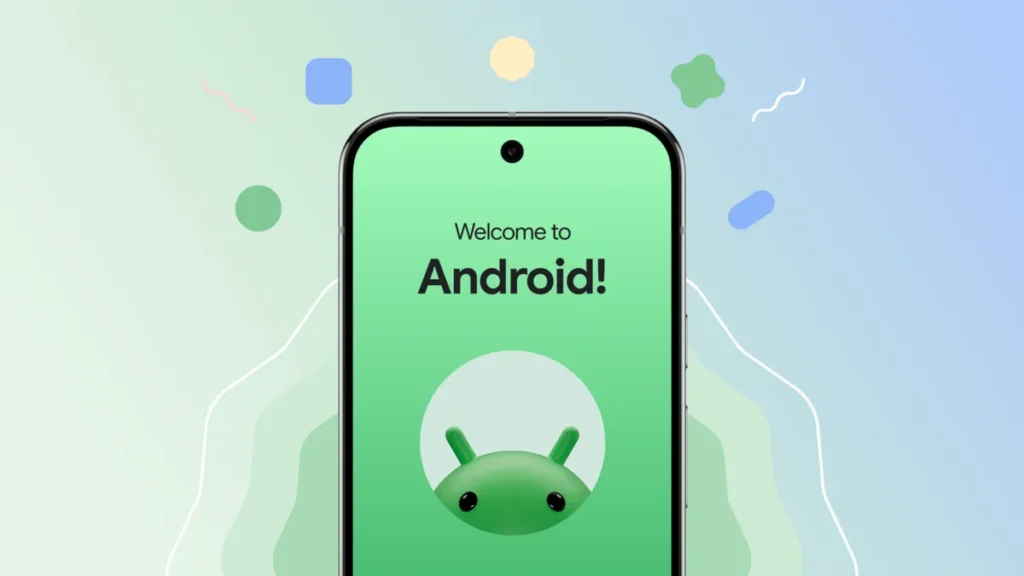
Android 17 makes it easier to transition from iPhone to Android with a completely revamped Android Switch
Switching mobile ecosystems has long been a major barrier for users looking to leave the iPhone. From lost messages and forgotten passwords to reconfiguring apps and complex transfers, making the jump to Android could quickly become a daunting task.
Google aims to eliminate many of these obstacles.
With Android 17, the company is launching a thoroughly redesigned version of Android Switch, its migration tool for iPhone users. The goal is straightforward: to make the transition to Android as seamless as possible while retaining more data and settings than before.
This evolution also reflects a closer collaboration between Google and Apple regarding interoperability.
View on Threads
A Cable-Free Migration Without Additional Apps
The most significant change pertains to the transfer experience itself. Google now adopts a wireless-first approach, prioritizing wireless transfer right from the initial setup of the smartphone.
Previously, some complete migrations required specific cables or Lightning to USB-C adapters. With Android 17, Google claims that wireless transfer now offers the same capabilities as a wired connection.
Additionally, users no longer need to install any additional apps to kickstart the process. Android Switch is seamlessly integrated into the setup of Android devices and the migration experience from iOS, significantly reducing the number of steps involved.
Google Accounts and eSIMs Migrate Automatically
Google also introduces a particularly handy feature: automatic transfer of the Google account. When moving from an iPhone to a compatible Android device, users can retrieve their primary account and be automatically logged in upon smartphone setup.
The company also streamlines eSIM transfers with compatible carriers. This enhancement reduces a key pain point encountered during phone changes, especially for users who wish to retain their numbers without additional intervention.
A Larger Quantity of Transferred Data
One of the most notable advancements pertains to the amount of information that can now be retrieved. Android Switch now supports:
- Passwords and passkeys.
- Saved Wi-Fi networks.
- Call history.
- Alarms.
- Files and folders.
- Calendar attachments.
- Apple Notes and their tags.
- Encrypted RCS messages.
This extension significantly aligns the Android experience with what users might expect when simply switching iPhones within the Apple ecosystem.
iMessage Conversations Also Come to Android
Google has also enhanced message transfer capabilities. Users can now migrate SMS, MMS, RCS conversations, and iMessage exchanges. Group chats, reactions, stickers, and conversation threads are also preserved during the transfer.
This feature could be particularly significant in certain markets where iMessage remains a key component of the Apple ecosystem.
One of the most strategic announcements pertains to developers. Google has indicated it has collaborated with Apple to create new migration APIs that allow compatible applications to retain their data when switching platforms. In practical terms, certain apps might enable users to automatically recover their settings, content, or progress after reinstallation on Android.
This feature addresses one of the primary frustrations regarding ecosystem changes: the hassle of having to reconfigure everything manually after installing an app on a new device.
A Direct Offensive Against Apple’s Ecosystem Lock-In
Beyond the technical aspects, this update fits into a broader strategy by Google. The mobile industry has long been based on a phenomenon known as “lock-in”: the more data, services, and habits a user accumulates within an ecosystem, the harder it becomes to leave.
Historically, Apple has enjoyed a significant advantage in this area due to the tight integration of the iPhone, iCloud, iMessage, and Apple Notes. With Android Switch, Google aims to lower this entry barrier and reassure users considering a switch to Android.
Android Aims to Make Ecosystem Changes Nearly Invisible
This new generation of Android Switch illustrates the evolution of the smartphone battleground. Performance, cameras, and screens will always be important, but manufacturers now need to convince users that they can switch ecosystems without losing their data or digital habits.
If Google’s promises hold true in real-world usage, Android 17 could be the version that finally makes the transition from iPhone to Android much less intimidating.
And in a market where hardware innovations are becoming increasingly similar, the simplicity of switching could become as powerful an argument as the smartphones themselves.



