

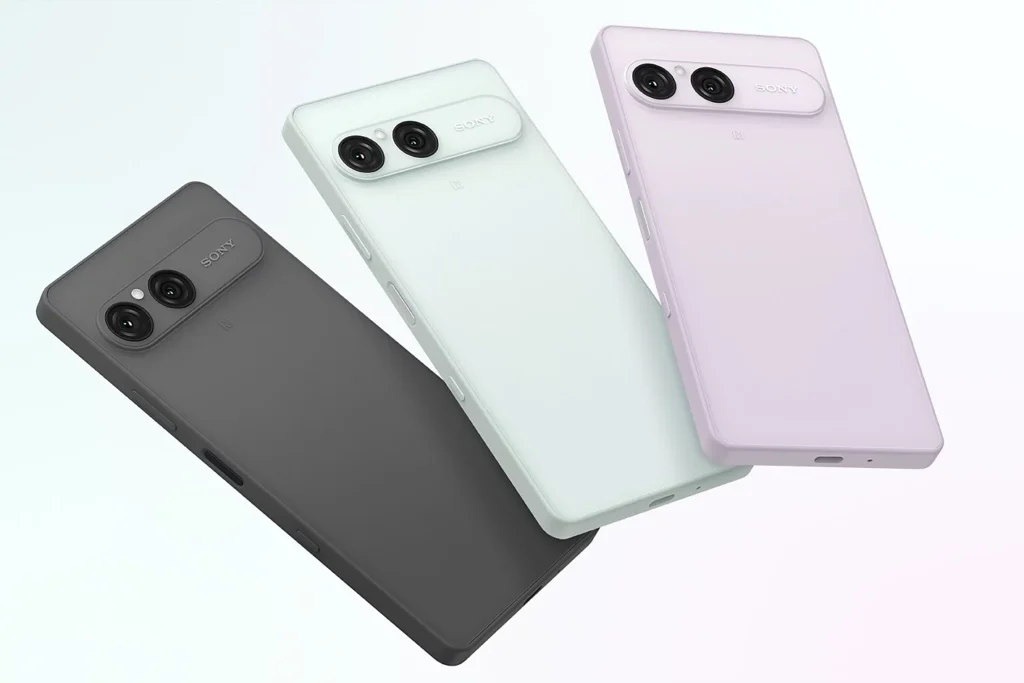
Sony has officially announced the Xperia 10 VIII, and its strategy may leave some puzzled. The smartphone retains much of the technical specifications of the Xperia 10 VII — Snapdragon 6 Gen 3, 8 GB of RAM, 5,000 mAh battery, and dual camera — while increasing to 599 euros in Europe, representing a 150-euro hike from its predecessor’s launch price.
An Xperia 10 VIII Very Similar to the Previous Model
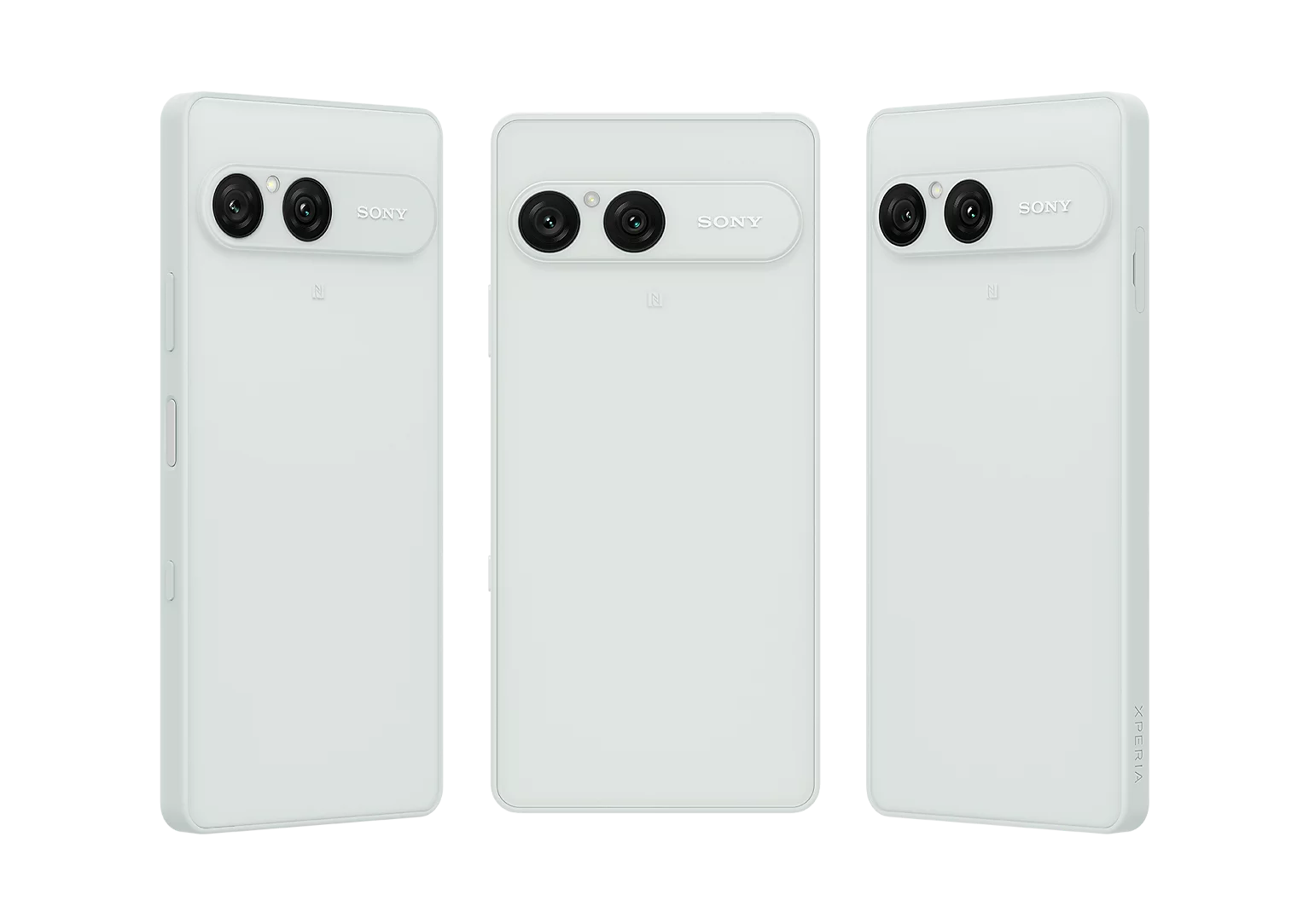
After several days of leaks, Sony officially unveiled the Xperia 10 VIII on August 25, 2026. The design hinted at what was to come. The new model essentially mirrors the proportions and silhouette of the Xperia 10 VII, featuring a horizontal camera module and a relatively compact form.
The technical specifications confirm this sense of continuity. Sony clearly does not aim to reinvent its 10 series this year. The Xperia 10 VIII retains the Snapdragon 6 Gen 3 already used by its predecessor, accompanied by 8 GB of RAM, 128 GB of storage, and a microSD reader that allows for expansion up to 2 TB.
For a mid-range smartphone updated a year later, the lack of change in the SoC is arguably the toughest aspect to justify. While the Snapdragon 6 Gen 3 is adequate for daily use, it offers no generational improvements to the new model.
Still an OLED Screen of 6.1 Inches at 120 Hz
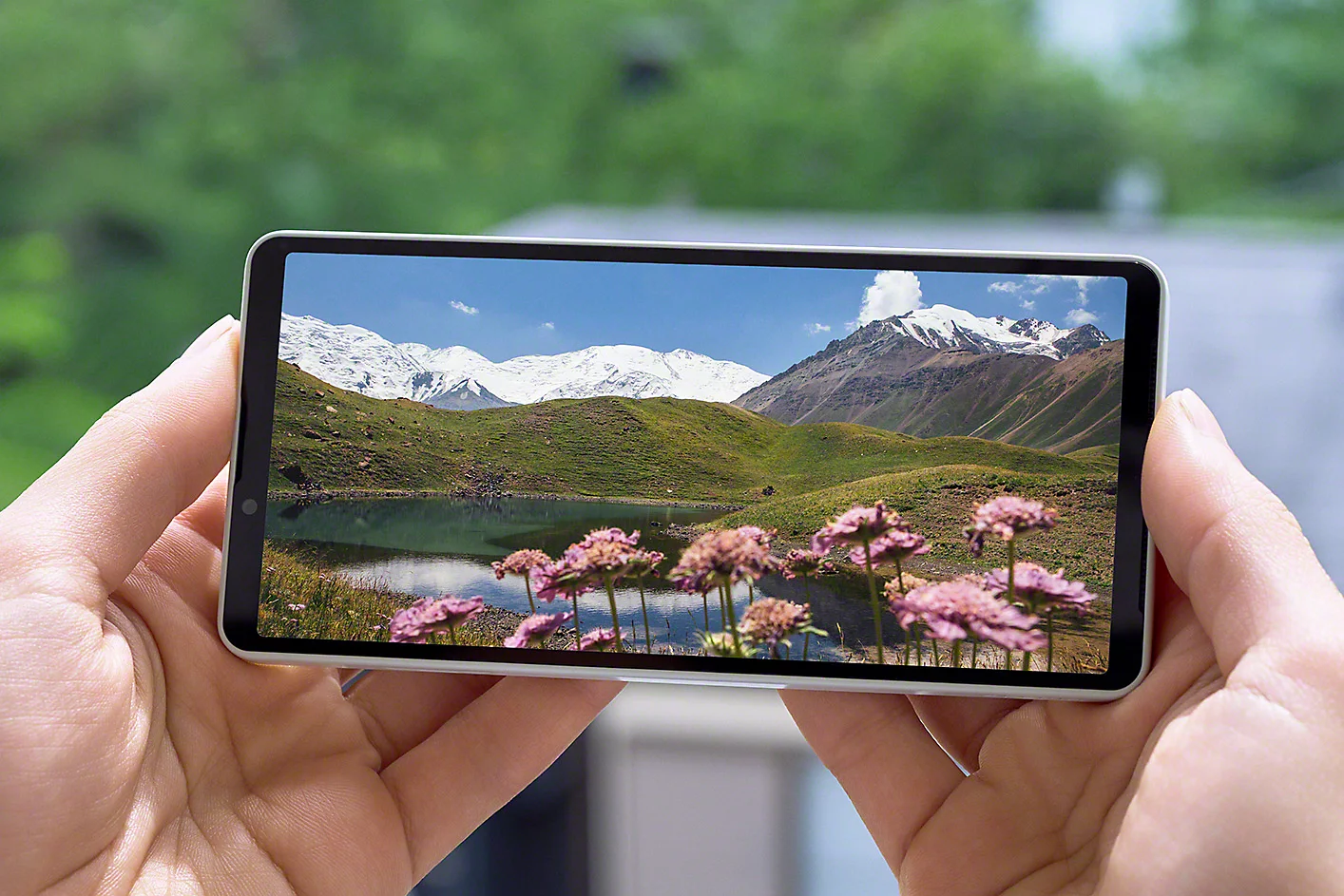
Similar observations apply to the display. The Xperia 10 VIII retains a 6.1-inch OLED panel, with a Full HD+ resolution of 2,340 × 1,080 pixels and a refresh rate of 120 Hz. Nonetheless, this size remains one of its most attractive features. While most Android smartphones now exceed 6.5 inches, Sony sticks to a more compact format.
The phone measures 153 × 72 × 8.3 mm and weighs only 168 grams. In this regard, the Xperia maintains a rather unique personality.
Nevertheless, Sony brings a tangible improvement. The manufacturer claims a maximum brightness approximately 50% higher than that of the Xperia 10 VII. The display also adjusts its colors based on ambient brightness to enhance outdoor visibility.
The Speakers Gain More Power
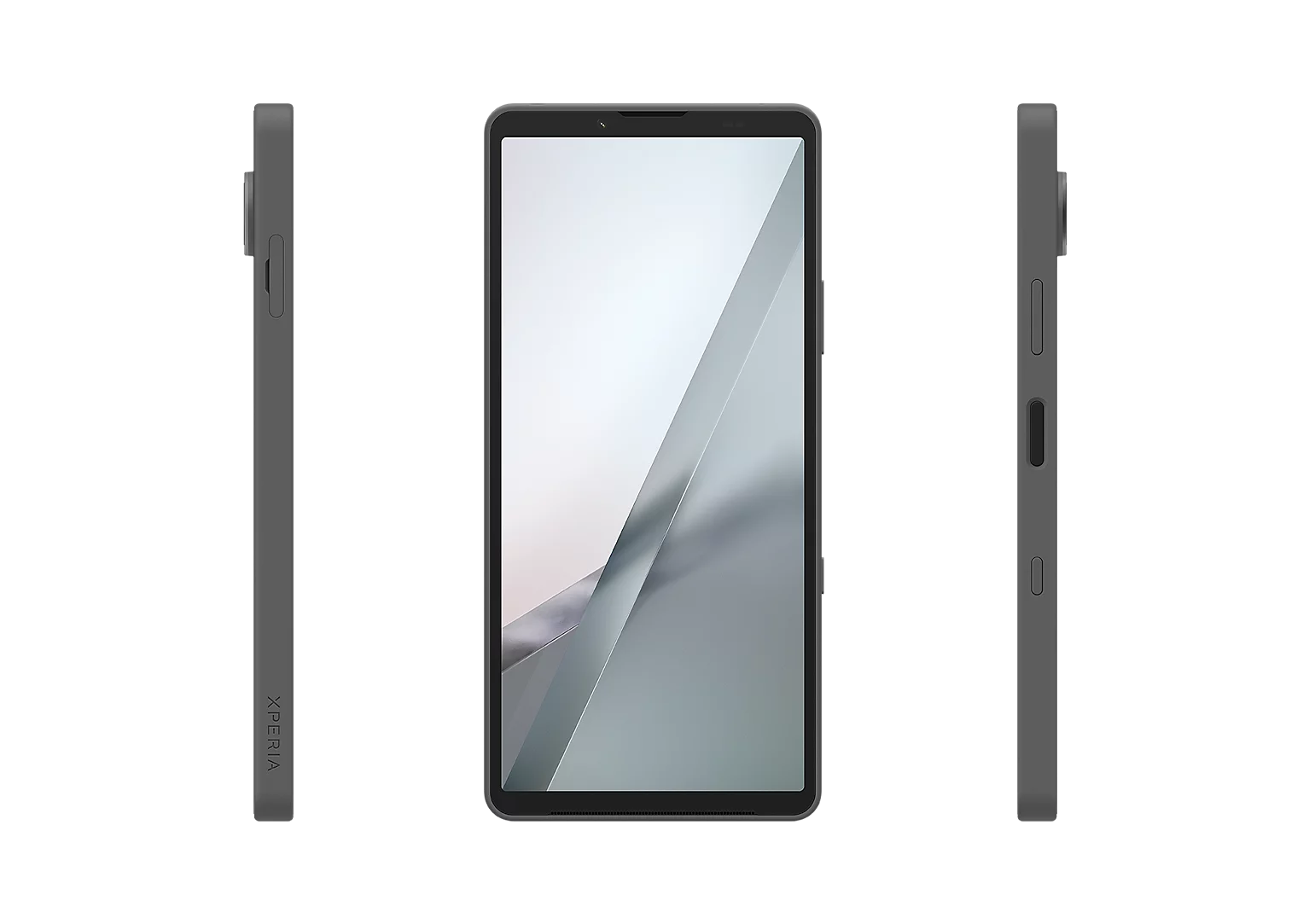
A second highlighted evolution is in audio. The front stereo speakers have been refined. Sony claims a total volume approximately 15% higher, with bass over 30% more powerful than on the Xperia 10 VII. This positioning aligns with the Xperia’s DNA, which has historically emphasized multimedia.
Unlike many of its competitors, Sony still retains a 3.5 mm headphone jack.
The microSD Survives as Well
This is likely one of the last smartphones in this price range to feature: a headphone jack, microSD slot, IP68 resistance, and a relatively lightweight format. These characteristics may seem secondary compared to a very aggressive technical specification sheet. However, for some users, they represent the precise reasons to continue considering Sony.
The downside is that they are now associated with a much higher price.
The Cameras Evolve Only Slightly
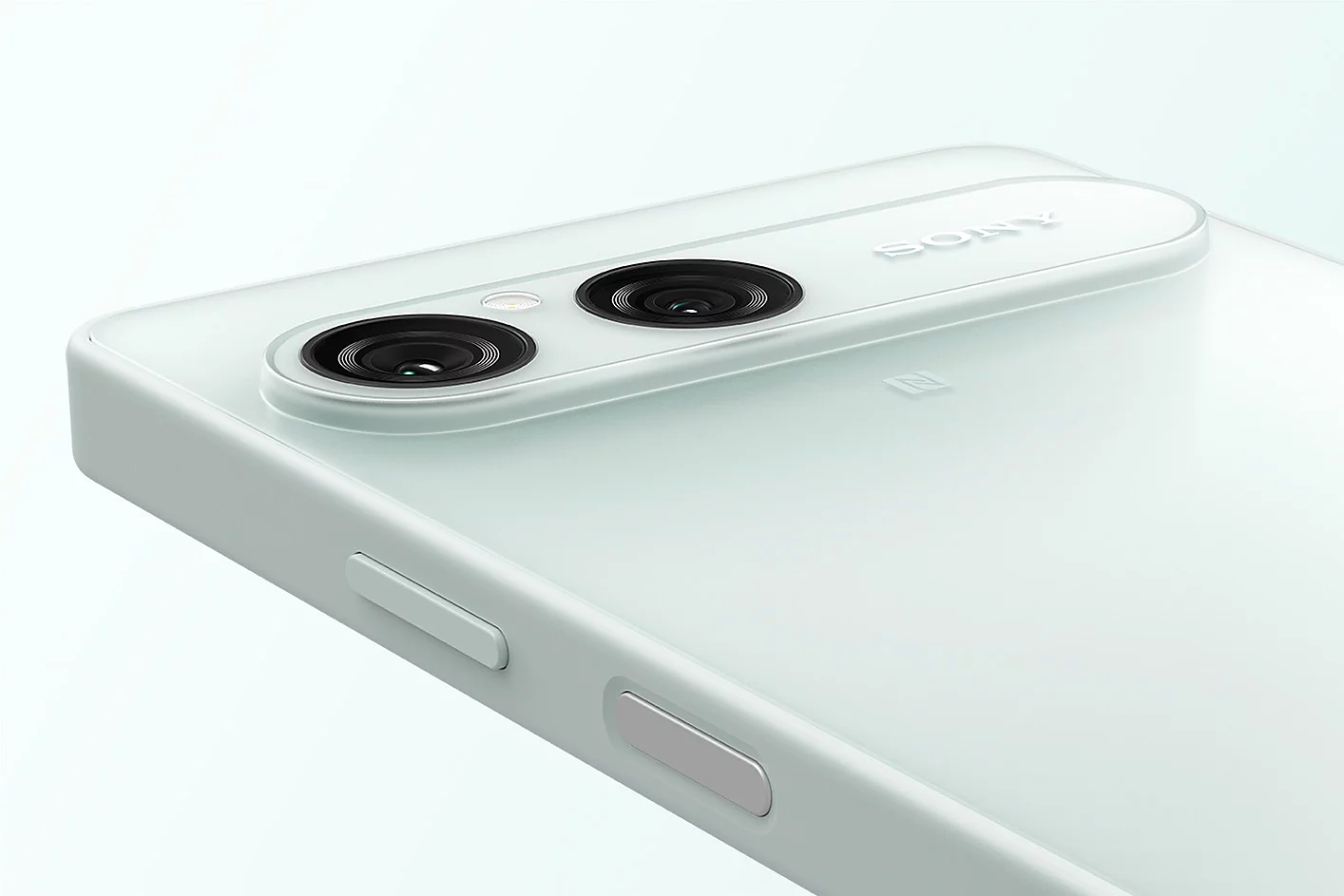
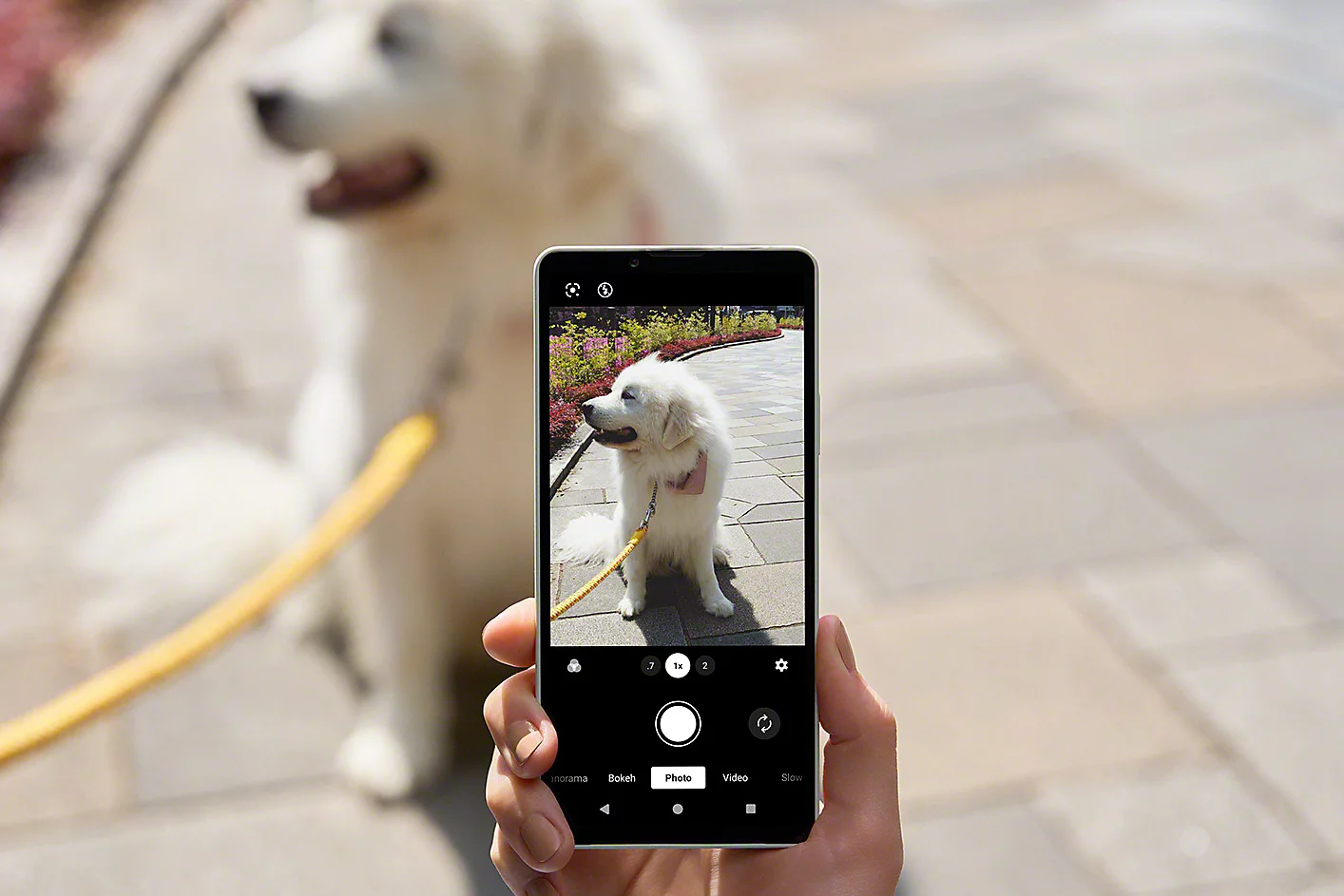
The photo system remains centered around two rear sensors. The main sensor has 50 megapixels with an f/1.9 aperture, and the ultra-wide sensor remains at 13 megapixels. Up front, there’s an 8-megapixel sensor. Sony emphasizes optimizations in processing, particularly in low light, rather than any significant hardware changes.
Here too, the Xperia 10 VIII feels more like a revision than a new generation.
Still No Telephoto Lens
At 599 euros, the absence of a telephoto lens becomes harder to overlook. Admittedly, not all direct competitors offer one either. Nonetheless, Sony now finds itself in a price range where expectations rise rapidly. A third photo module, a more ambitious main camera, or an optical zoom would have provided an immediately noticeable argument. This is not the case.
The manufacturer opts to maintain a simple and familiar configuration.
The Battery Remains at 5,000 mAh
There’s stability on the battery front as well. The Xperia 10 VIII continues to feature a 5,000 mAh battery. Sony claims up to two days of usage according to its internal protocol. The brand also emphasizes the battery’s longevity, designed to maintain good performance after four years of use. This is an interesting point for a smartphone intended for long-term retention.
However, the capacity itself has not progressed.
The Xperia 10 VIII supports charging around 30 W via USB Power Delivery. In absolute terms, this power level is quite usable. However, when compared to competitors capable of exceeding 45, 67, or even 80 W in this price range, Sony starts to appear particularly conservative. While this isn’t necessarily a drawback for battery longevity, it becomes one less argument to justify a 150-euro increase.
Android 16 and Finally More Serious Support
The software side is more convincing. The Xperia 10 VIII ships with Android 16. Sony promises up to four major system updates and six years of security patches. This is an improvement over previous mid-range Xperia models. However, the support lags behind some rivals who have now committed to seven years of updates as a core part of their strategy.
Sony thus narrows the gap without taking the lead.
Rewards & Pay: The Small Software New Addition
Sony also introduces a feature called Rewards & Pay. A double-press on the power button quickly opens frequently used payment and loyalty applications. The idea is practical and can simplify checkout or access to a loyalty card. However, it’s hard to position this feature as one of the major selling points of a new generation smartphone.
This is typically a functionality that could have been imagined to arrive via a software update.
The Real (Bad) Surprise Is the Price: 599 Euros
This is where the Xperia 10 VIII becomes much harder to defend. Sony has announced a European price of 599 euros. The Xperia 10 VII launched in September 2025 at 449 euros. Thus, the increase amounts to 150 euros precisely. And, this occurs at a time when the processor, memory, battery, dimensions, and much of the photo system remain practically unchanged.
Moving from 449 to 599 euros represents an increase of about 33%. That’s significant for a smartphone whose most visible upgrades include a brighter screen, improved speakers, and a new software shortcut.
Sony may cite the general rise in component costs and the current tensions in the mobile industry, but the user mainly focuses on what they get in return. And in this respect, the Xperia 10 VIII seems particularly poorly positioned.
Sony Enters a Much Tougher Market
At 449 euros, the Xperia 10 VII could still hold its own as an atypical device. Compact, lightweight, good battery life, headphone jack, microSD, and a relatively streamlined interface. At 599 euros, competition shifts dramatically. One starts to find Pixel, Galaxy, Nothing, and even some older flagships at similar price points. These devices often offer more power, more versatile cameras, or longer software support.
The Xperia must thus not only be different but also demonstrate that it’s worth more. The Xperia 10 VIII doesn’t seem to be a bad smartphone; the issue lies in the relationship between evolution and price. Sony is asking significantly more for a product that progresses very little. This is an important distinction. A phone can be pleasant to use while being commercially poorly positioned.
The Compact Size Remains Its Best Argument
Nevertheless, there remains an area where Sony has a real advantage. The Xperia 10 VIII is small and lightweight. Weighing only 168 grams, it avoids the brick-like feeling that has become commonplace among modern smartphones. Its 6.1-inch display should also appeal to users tired of nearly 7-inch panels. It’s likely this aspect, more than performance, that will help the phone maintain its audience.
However, even fans of compact smartphones will have to accept a very high price.
The Xperia 10 VIII ultimately highlights the challenge Sony faces in the mid-range market. The brand still possesses a strong identity, but it can’t indefinitely rely on the headphone jack, microSD slot, and lightweight chassis to compensate for slowly evolving hardware. Competitors are progressing too quickly. The Xperia 10 VIII retains several qualities that have become rare on Android, but at 599 euros, Sony transforms what could have been a discreet and pleasant update into a smartphone that is difficult to recommend. The issue isn’t just that it changes little; it’s that it costs significantly more to do so.



