

iPhone Ultra: A leak unveils the two colors of Apple’s first foldable iPhone
Apple is steadily preparing to enter the foldable smartphone market, and leaks are becoming more frequent. Following various rumors regarding its design and technical specifications, a new image suggests the two colors that the highly anticipated iPhone Ultra might adopt.
If these details are confirmed, Apple appears to be opting for subtlety over extravagance, with a decidedly premium palette designed to accompany its first foldable iPhone.
Two colors, and nothing more
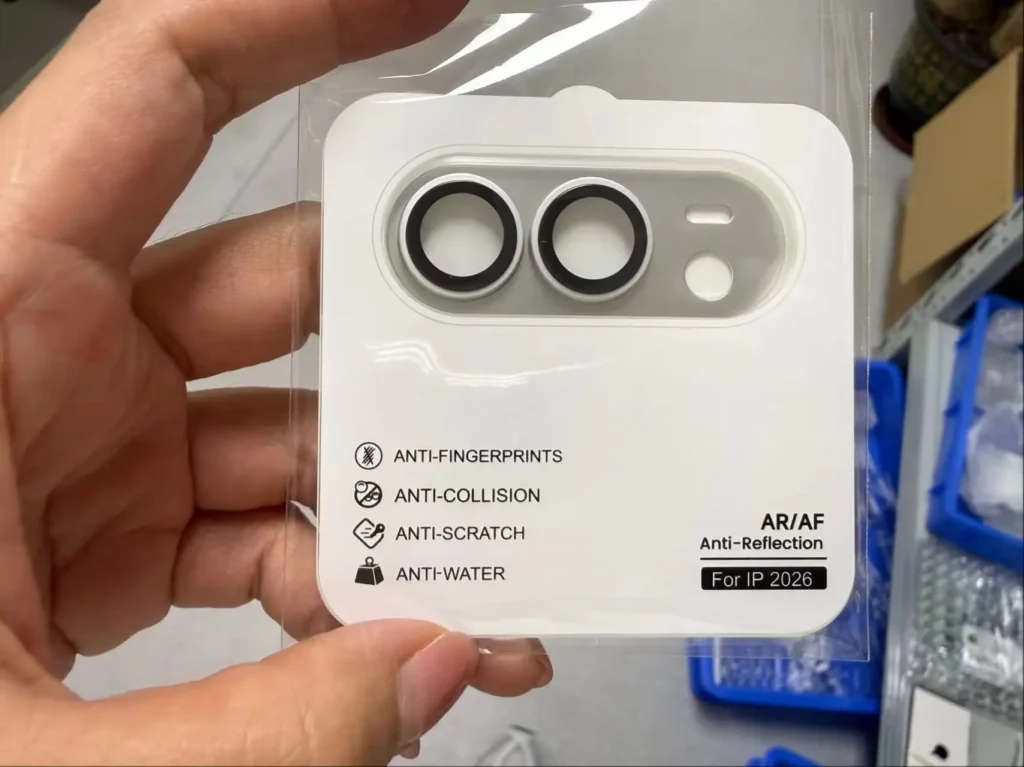
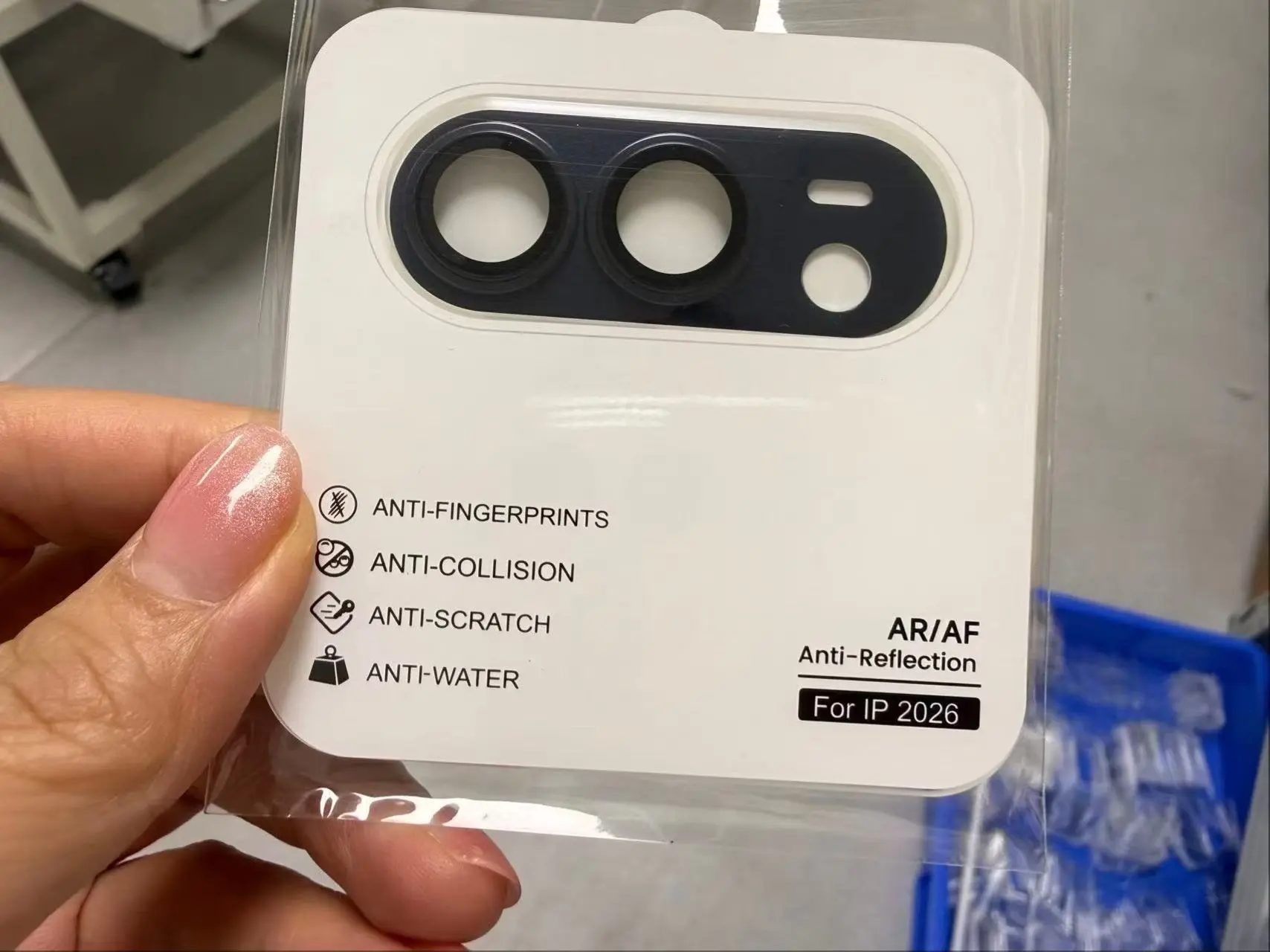
The leaker Sonny Dickson has shared some images of camera module covers attributed to the iPhone Ultra. Although these are third-party accessories and not official components, they seem to confirm several rumors that have surfaced in recent weeks.
The smartphone is expected to be available in only two finishes: a dark shade leaning towards a deep slate blue rather than a classic black, and a silver version, closer to polished aluminum than pure white. This approach contrasts with the iPhone Pro lineup, which this year will feature a wider range of colors.
Apple appears to be reserving a more discreet identity for the iPhone Ultra, aligning it more closely with a professional product.
A dual camera instead of a triple camera module
The photographed covers also provide another clue. Unlike the iPhone Pro models, the iPhone Ultra will reportedly feature only two camera sensors, foregoing the traditional triple camera setup. This choice could be surprising, given that several rumors suggest a price exceeding $2,300.
However, this decision can be explained by the constraints imposed by the foldable format.
Reducing the number of cameras could help limit the device’s thickness while maintaining a manageable weight.
Apple prioritizes design and slimness
The various leaks suggest a clear objective: to offer a foldable smartphone that is as elegant as possible. To achieve this, Apple is betting on several high-end technologies, including a chassis combining titanium and aluminum, an internal structure reinforced by a glass frame, a new generation of optical adhesive (OCA) aimed at improving the quality of the foldable screen, and a hinge using a Liquid Metal alloy, designed to make the fold much less visible.
The ambition is clear: to deliver a device capable of competing with the best Android foldables while maintaining Apple’s signature finishing standards.
Samsung has already taken the lead
While Apple finalizes its first foldable model, Samsung continues to strengthen its lead in this segment. The recent launch of the Galaxy Z Fold 8 allows the Korean manufacturer to dominate the market ahead of the arrival of its main competitor.
This strategy appears to be paying off, but it also confirms an underlying trend: the “book” foldable format is gradually establishing itself as the high-end reference.
Apple could revitalize the entire market
Despite the anticipated high price, analysts are forecasting strong commercial success. According to multiple estimates, the arrival of the first foldable iPhone could lead to an approximately 20% increase in global foldable smartphone sales. Apple has a particularly loyal user base. In the premium segment, the brand accounted for nearly 65% of global smartphone sales in the first half of 2026.
In this context, even a product priced above $2,000 could quickly find its audience.
A highly anticipated launch
So far, Apple has not confirmed any of this information. The colors unveiled remain based on leaks and could still change before the official presentation. However, one thing seems clear: rather than multiplying options, Apple aims to make the iPhone Ultra an exceptional product, focusing on premium materials, meticulous design, and a deliberately minimalist visual identity.
The question now is whether these choices will be enough to convince in the face of an Android competition that already has multiple generations of experience in the foldable smartphone arena.



