

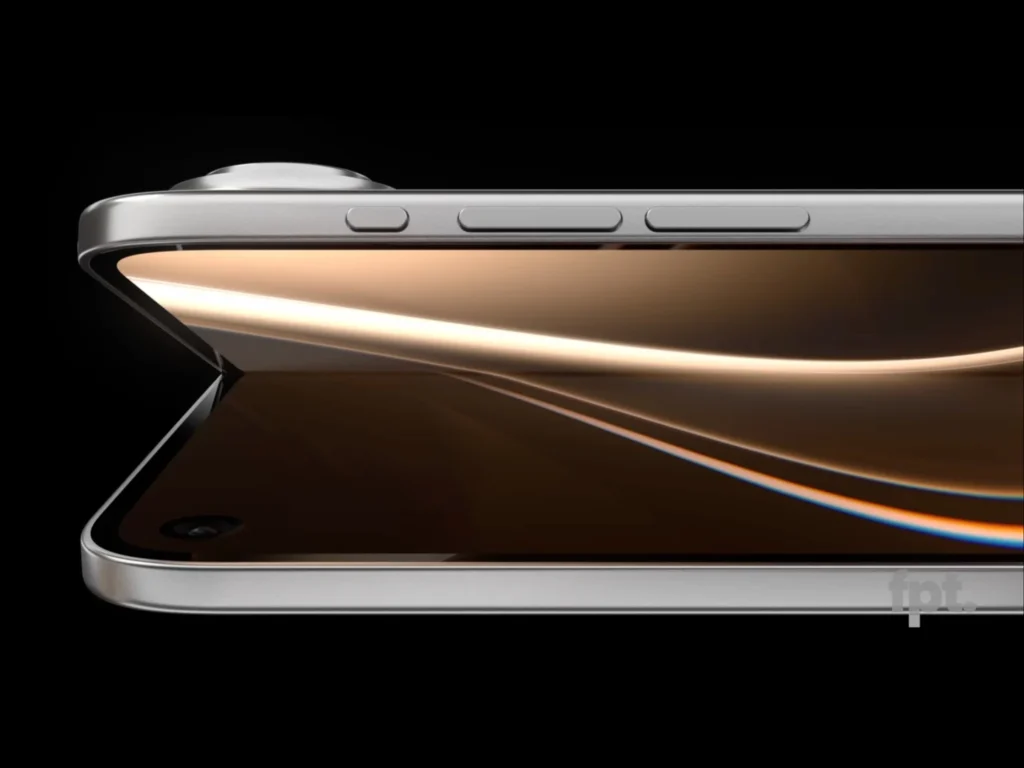
iPhone Ultra: iOS 27 reveals a major clue about Apple’s first foldable iPhone
Clues surrounding the first foldable iPhone are continuing to pile up. This time, the information isn’t from the supply chain leaks but directly from the code of the latest developer beta of iOS 27, fueling speculation. Apple now refers to several “batteries”, a change in terminology that might confirm the arrival of a device equipped with two distinct cells.
With just weeks to go before the anticipated unveiling of the new iPhones, this discovery reinforces the idea that Apple is finally preparing to enter the foldable smartphone market with a model that may be named iPhone Ultra.
iOS 27 now mentions multiple batteries
The change was spotted in the battery status section of iOS 27 settings. Until now, iPhones have consistently used the term “battery” in the singular. Now, several lines in the system refer to the “batteries of this iPhone.”
Among the new messages are:
- “The batteries of this iPhone are functioning normally”
- “The status of the batteries of this iPhone has significantly degraded”
- A warning indicating that one of the batteries may not be an authentic Apple part
This shift in terminology serves as a particularly credible clue, as foldable smartphones typically use two separate batteries to distribute components on either side of the hinge and balance the device’s weight.
A dual-cell battery already mentioned in leaks
This discovery aligns with several reports in recent months from sources specializing in the supply chain. According to the latest rumors, the upcoming iPhone Ultra will have a primary battery of 1,921 mAh and a secondary battery of 2,962 mAh.
The total capacity would thus reach 4,883 mAh.
This figure is lower than initial rumors suggesting a battery capacity between 5,400 and 5,800 mAh, but still exceeds that of some competing foldable smartphones currently available on the market.
A large foldable screen and a dual camera setup
The other characteristics mentioned so far outline a decidedly high-end device. The future iPhone Ultra could feature an internal foldable display of 7.76 inches, an external display of 5.49 inches, a main camera of 48 megapixels, and an ultra-wide camera of 48 megapixels.
However, Apple may skip the telephoto lens, as the integration constraints imposed by the foldable format leave less space available for the camera modules.
iOS 27 is already preparing for a foldable iPhone
This reference to multiple batteries is not an isolated case. Throughout the various beta versions of iOS 27, several elements have hinted at an adaptation of the system for future foldable devices. Previous leaks notably mentioned new states of opening and closing the device, managing multiple screens, and multitasking features designed for a larger display area.
These software developments suggest that Apple is gradually adapting iOS to provide an optimized experience for this new format for the iPhone.
Apple may finally enter the foldable smartphone market
According to several industry sources, Apple has now overcome the main challenges related to hinge design, paving the way for large-scale production. The future iPhone Ultra is expected to be unveiled in September, alongside the new generation of iPhones.
However, its price may reflect its premium positioning, with estimates ranging from $2,000 to $2,500, making it one of the most expensive smartphones ever marketed by Apple.
More than just a new design, a strategic shift for Apple
The arrival of a foldable iPhone would represent much more than just an aesthetic evolution. Apple is entering a segment where Samsung, Honor, Google, and Huawei have already gained several years of experience. To stand out, the Cupertino company will need to leverage its traditional strength: a seamless integration between hardware and software.
The clues found in iOS 27 indicate that this preparation is already underway. If the rumors prove true, the iPhone Ultra could herald a new generation of devices where the foldable format will not only be a technological showcase but a genuine innovation driver for the Apple ecosystem. The only question that remains is whether this strategy can convince a market that has become particularly demanding in this high-end segment.



