

iPhone 18 Pro: Memory Shortage Threatens Launch of A20 Pro Chip in 2nm
Apple is preparing for one of the most significant hardware advancements for the iPhone in recent years. With the A20 Pro chip, manufactured using a 2nm process by TSMC and featuring a completely new memory integration architecture, the iPhone 18 Pro series promises a substantial boost in both performance and energy efficiency.
However, this technological leap may come at an immediate cost: a global DRAM shortage is already hindering production, potentially delaying the assembly of Apple’s upcoming high-end smartphones.
A New Architecture to Unlock Performance
At the heart of this generation lies the A20 Pro chip, which is expected to debut TSMC’s 2nm manufacturing process, succeeding the current 3nm technology. According to industry estimates, this upgrade could provide up to 15% more performance or reduce energy consumption by approximately 30%, depending on workload.
However, the true revolution is anticipated elsewhere.
Apple is expected to move away from the InFO-PoP packaging used for several generations, opting instead for the Wafer-Level Multi-Chip Module (WMCM) technology. Unlike the previous method where memory was stacked directly above the processor, WMCM integrates both the processor and memory at the silicon wafer level. This approach reduces communication distances between components, enhances memory bandwidth, and minimizes thermal dissipation.
The DRAM Shortage is Already Halting Production
However, this architecture poses a significant constraint. To assemble a WMCM module, memory chips must be available from the start of production. According to Taiwanese journalist Tim Culpan, Apple is struggling to secure enough DRAM modules at the moment.
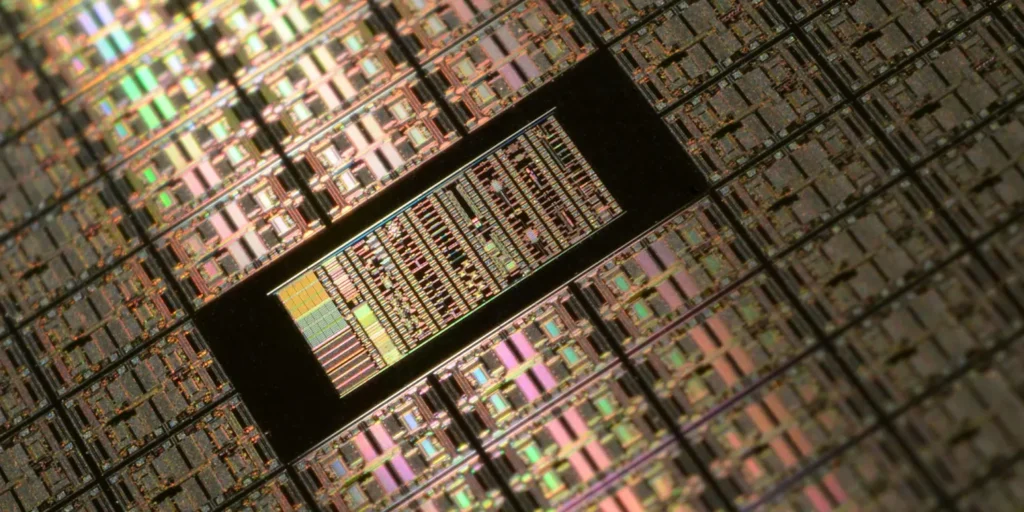
The result is that wafers already manufactured by TSMC are stacking up, awaiting compatible memory, which prevents their final assembly. The volume in question is far from trivial. Reports indicate that nearly a billion dollars’ worth of Apple chips are presently held up in TSMC’s factories waiting for memory components.
This situation is also delaying motherboard assembly operations, conducted by companies like Foxconn and BYD, creating a domino effect on the final production of iPhones.
Limited Stocks at the Launch of the iPhone 18
Apple aims to produce around 200 million iPhone 18 units during the commercial cycle of this generation. The upcoming foldable iPhone Ultra will account for less than 10% of this volume, while the iPhone 18 and iPhone 18 Pro will share the bulk of production capacity.
If supply difficulties persist, the initial stock available at launch may be particularly limited, especially for the Pro models that utilize this new hardware platform.
This scenario has been seen in previous Apple launches, but may be exacerbated by the current global memory market tensions.
LPDDR6 Memory to Support AI
The changes are not limited to packaging. Initial leaks also suggest the introduction of LPDDR6 memory with a 96-bit interface, replacing the LPDDR5X currently in use. This advancement will provide significantly higher bandwidth, a crucial element for tasks related to artificial intelligence.
The CPU, GPU, Neural Engine, and memory will thus operate in a much more integrated environment, capable of accelerating calculations while minimizing energy consumption.
This architecture is also expected to enhance sustained performance during lengthy gaming sessions, video editing, or future advanced Apple Intelligence functionalities.
Apple Takes an Ambitious Technological Leap
Beyond sheer performance, this transition reflects Apple’s strategic approach. As Snapdragon, Dimensity, and Tensor processors have significantly closed the gap with Apple chips in recent years, Cupertino seems determined to reclaim an edge through a comprehensive overhaul of its iPhone’s internal architecture.
The shift to 2nm, combined with WMCM packaging and LPDDR6, is not merely an incremental evolution: it marks a profound modernization of the hardware platform that will underpin future use cases related to on-device artificial intelligence.
Now, a major unknown remains: the availability of memory components. If Apple cannot secure enough DRAM in the coming months, this technological advancement could be overshadowed by stock shortages within weeks of commercial launch.



