

Apple may finally enable copy-paste between iPhone and Windows… but we’ll have to wait until 2027
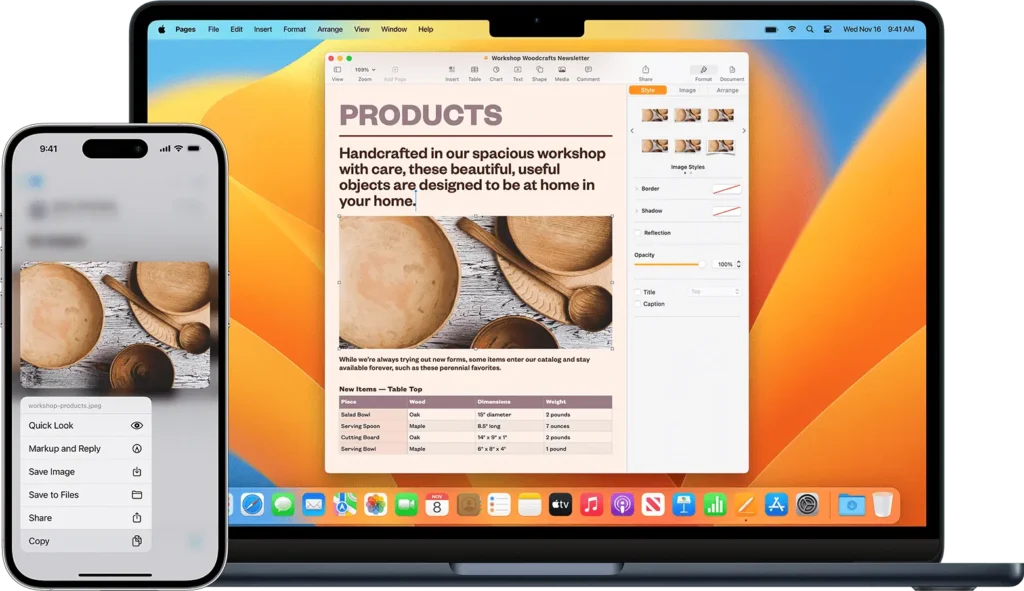
Copying text from an iPhone and pasting it instantly onto a Mac has become second nature for millions of Apple users. This feature, known as Universal Clipboard, is a key element of the Continuity ecosystem. Soon, Universal Clipboard might also work with Windows PCs… but this change isn’t due to a shift in Apple’s strategy.
According to several reports, this development arises from new European regulations imposed by the Digital Markets Act (DMA), which encourages tech giants to open their platforms more broadly.
Universal Clipboard Could Finally Extend Beyond the Apple Ecosystem
Currently, Universal Clipboard allows users to copy text, images, or certain files on an iPhone and paste them a few seconds later on a Mac or iPad linked to the same Apple account. This seamless continuity is a major factor in keeping users loyal to the brand’s ecosystem.
However, Windows PC users have been left out of this experience.
Microsoft now aims to bridge this gap by proposing the same functionality between Windows and iPhone, without relying on a third-party app. The idea is straightforward: copy content on one device and find it instantly available on the other, completely seamlessly.
An Opening Required by the Digital Markets Act
Contrary to what some may think, Apple has not voluntarily chosen to open up its ecosystem. Microsoft officially made this request as part of the interoperability program implemented by Apple to comply with the Digital Markets Act, the European regulation designed to curb anti-competitive practices by large platforms.
Reports suggest that Microsoft submitted its request in March. Apple then reviewed the proposal and presented an initial development plan on June 26.
The Cupertino-based company intends to enable this interoperability through its own system interfaces while retaining control over the authorization process.
How Does Apple Plan to Integrate Windows?
The solution envisioned by Apple relies on the AccessorySetupKit framework, which is already used in Europe for connecting certain third-party accessories to the iPhone. The principle is relatively straightforward. During initial setup, the user would grant a one-time authorization to their Windows PC.
Once this step is completed, clipboard exchanges between the iPhone and the PC could automatically occur in the background without needing to open an app or confirm each transfer.
This experience would resemble the existing function between an iPhone and a Mac.
A Long Wait Ahead
While the project seems promising, its timeline is particularly lengthy. Apple views this feature as a significant engineering undertaking and aims to complete its development by fall 2027. A developer version would then be released before any public rollout, which might not happen until 2028.
In other words, this evolution is still far from being available to the general public.
A Feature That May Remain European
Another important point: there’s no guarantee of a global launch. At this stage, Apple is only responding to requirements set by the European Union. The company has already adopted a similar strategy with several features exclusive to the European market, including certain accessory pairing functions and notification transfer to third-party devices.
Even if some functionalities are eventually deployed internationally, Apple has made no commitment regarding Universal Clipboard on Windows.
A Small Function with Potentially Big Impact
On paper, it’s just a simple copy-paste. In practice, this advancement could eliminate one of the last barriers separating iPhone users with a Windows PC from the experience offered by Apple’s ecosystem.
It also reflects a deeper change: under the influence of the Digital Markets Act, Apple is gradually being compelled to open up some features that have previously been integral to its competitive advantage.
If this project comes to fruition, Universal Clipboard will not only be a symbol of Apple’s integration. It could become one of the first tangible examples of interoperability mandated by European regulations, benefiting millions of hybrid users who combine iPhone and Windows.



