

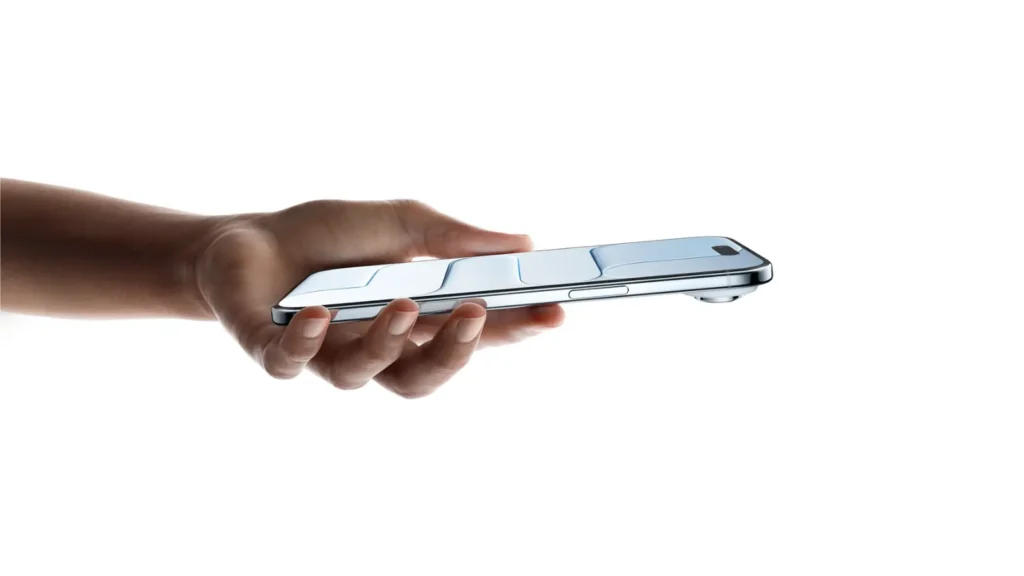
iPhone Air 2: Apple is preparing a more discreet Dynamic Island, an A20 Pro chip and a dual 48 MP sensor.
The iPhone Air is still in its first generation, but Apple is already planning for its successor. According to fresh information from the supply chain, the iPhone Air 2, anticipated in early 2027, is not expected to drastically change the formula introduced this year. Instead, Cupertino aims for a measured yet strategic evolution, addressing several compromises made in the first model.
A more discreet Dynamic Island, a true dual-camera setup, and a new generation of chips would be among the key updates.
Apple focuses on evolution over revolution
According to analyst Jeff Pu, the iPhone Air 2 will retain its 6.55-inch OLED display, but will feature a more compact Dynamic Island. While this change may seem minor, it would free up more screen space and create a more immersive visual experience daily. Apple continues its optimization of the front design without fundamentally altering the product’s identity.
This strategy aligns with the company’s well-known approach: gradually evolving the design while enhancing the details that truly affect user experience.
A significant leap in photography
One of the main limitations of the first iPhone Air was its camera system. Apple may address this with a new 48-megapixel ultra-wide sensor to support the primary sensor with the same resolution. The future camera module would thus consist of a 48-megapixel main sensor and a 48-megapixel ultra-wide sensor.
This advancement would bring the iPhone Air significantly closer to the Pro models in terms of photographic versatility while maintaining a more accessible position.
For Apple, this is also about enhancing the appeal of the Air lineup without fully encroaching on the premium models.
An A20 Pro chip engraved at 2 nm
Under the hood, the iPhone Air 2 will be powered by the upcoming A20 Pro, expected to be manufactured by TSMC using a 2-nanometer process. This new generation would also utilize a packaging technology called Wafer-Level Multi-Chip Module (WMCM), which brings memory closer to the processor to reduce latency and improve energy efficiency.
Other rumored features include 12 GB of RAM, a next-generation Apple C2 modem succeeding the C1X, a titanium chassis, and enhanced energy efficiency.
While it may not promise a dramatic performance leap, this new platform is expected to provide more room for future embedded artificial intelligence features.
An evolution designed for daily use
Individually, each of these changes may seem relatively modest. However, together, they depict a coherent evolution of the Air philosophy. Apple doesn’t aim to radically transform the product but rather to refine a well-established formula: offering a smartphone that is thinner and lighter than the Pro models while maintaining high-end performance.
This strategy differs from that of many Android manufacturers, who often prioritize technical breakthroughs or impressive specs at every generation.
In contrast, Apple appears to believe that the most relevant improvements are typically those that users notice gradually in their daily experiences: better battery life, a more versatile camera, or a more immersive display.
A roadmap that is becoming clearer
According to Jeff Pu, the iPhone Air 2 is expected to be unveiled in the first quarter of 2027, alongside the iPhone 18. The iPhone 18 Pro models and the much-anticipated foldable iPhone are set to arrive a few months earlier, marking a new organization of Apple’s launch calendar.
As always, this information comes from the supply chain and should be treated cautiously until Apple makes official announcements.
Apple is gradually refining its new range
With the iPhone Air, Apple seems to be creating a new intermediate category between the standard models and the Pro versions.
The goal is no longer to multiply spectacular innovations each year but to build a strong identity around a device that is thinner, more elegant, and sufficiently powerful to meet daily needs without the pricing compromises of the premium models.
If these initial leaks are confirmed, the iPhone Air 2 could once again demonstrate one of Apple’s great strengths: transforming a series of small improvements into a significantly enhanced experience. As the smartphone market reaches a stage of maturity, this strategy of continuous optimization may prove more effective than a relentless pursuit of dramatic innovations.



