

iPhone 18 Pro: vapor chamber cooling, reduced Dynamic Island, and new technical details
A cyberattack targeting Tata Electronics, one of Apple’s key industrial partners in India, may have led to the largest leak in recent iPhone history. Over 200,000 confidential documents are said to have been stolen, revealing photos of prototypes, internal diagrams, and various technical details concerning the iPhone 18 Pro.
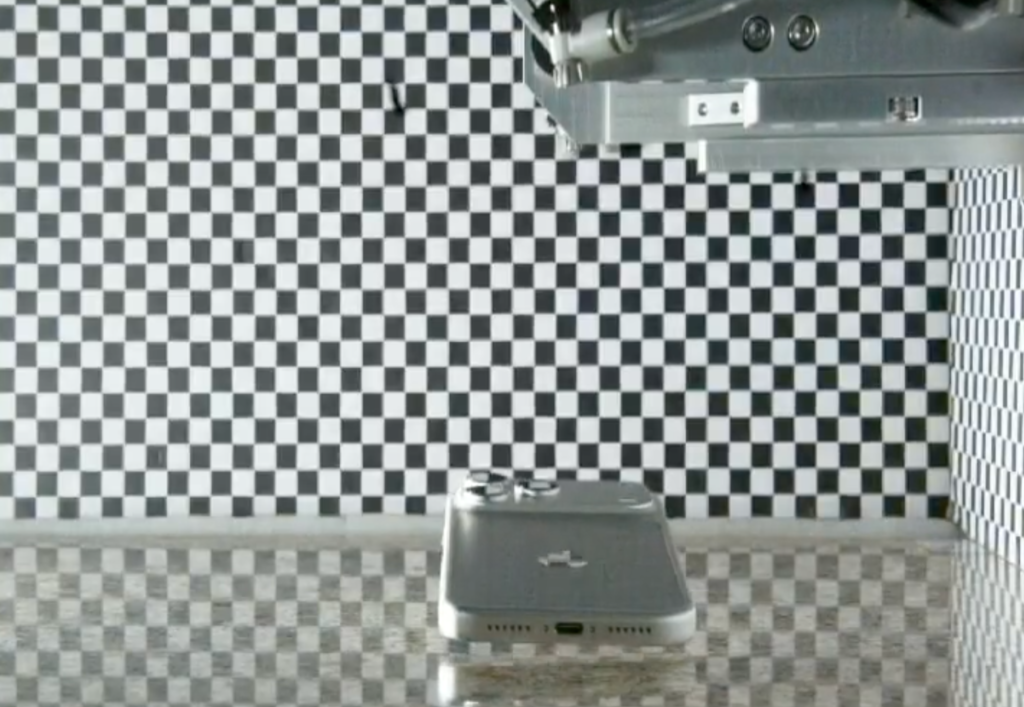
According to Reuters, the cyberattack on Tata Electronics exposed a vast array of confidential files related to the manufacturing of future Apple products. These files reportedly include photographs of drop tests, assembly plans, supplier lists, and technical diagrams linked to the iPhone 18 Pro.
While the authenticity of all the documents couldn’t be independently verified, several images and diagrams that briefly circulated on social media before being removed seem to align with previous rumors concerning Apple’s upcoming flagship.
A Thoroughly Revised Cooling System with a Vapor Chamber
One of the most intriguing revelations pertains to the thermal system. The leaked diagrams display what appears to be a large vapor chamber occupying a significant portion of the motherboard. This technology, widely implemented in high-end Android smartphones, allows for much more efficient heat dissipation generated by the processor.
The principle is relatively straightforward: a liquid confined within a sealed chamber vaporizes when it contacts the hottest components, carrying the heat away before condensing in a cooler area, then continuously repeating the cycle.
According to the leaked documents, the upcoming A20 Pro chip would be in direct contact with this vapor chamber, potentially enhancing sustained performance during long gaming sessions, video editing, or running artificial intelligence processes directly on the device.
Traditionally, Apple has lagged slightly behind some Android competitors in terms of thermal management. Therefore, adopting a more ambitious solution would be a logical progression as its chips gain in power.
A Dynamic Island that Continues to Shrink
Another image illustrates the layout of the front camera and Face ID system components. According to several industry analysts who reviewed these diagrams, Apple has managed to reposition certain elements of the infrared sensor, dot projector, and infrared illuminator to reduce the space required for their integration.

If this interpretation is accurate, the iPhone 18 Pro would feature a more compact Dynamic Island, providing more display area without altering the smartphone’s overall dimensions.
This evolution aligns with Apple’s ongoing strategy to minimize visible cutouts while looking forward to eventually hiding the camera completely under the screen.
Technical Innovations with a Familiar Design
The various leaks converge on a common conclusion: the iPhone 18 Pro would maintain a design very similar to its predecessor. The main expected updates would be primarily internal:
- A 2nm A20 Pro chip
- A new vapor chamber cooling system
- A more discreet Dynamic Island
- A main sensor with a variable aperture, according to several rumors
- A next-generation Apple modem
In other words, Apple seems to focus more on enhancing the user experience rather than making major aesthetic changes.
A Price Hike That Could Overshadow New Features
Another topic fueling discussions is the pricing. The global shortage of DRAM memory, driven by surging demands from artificial intelligence, continues to inflate production costs across the tech industry.
Several analytical firms put forward vastly different estimates: some suggest a limited increase of $50, while others anticipate a rise between $100 and $200, with the most pessimistic scenarios predicting a starting price of up to $1,399 for the iPhone 18 Pro.
At this point, Apple has not confirmed any pricing structure. Therefore, these projections remain estimates based on current component costs and recent price hikes applied to Macs and iPads.
Apple Must Convince Beyond Just Power
This leak highlights an intriguing reality: Apple appears focused on sustained performance, integrated artificial intelligence, and photographic quality rather than radical aesthetic changes.
This approach may appeal to the most demanding users, especially if the new thermal system finally allows Apple chips to exploit their full potential without heat-related limitations.
However, if the significant price increases suggested by multiple analysts come to pass, the value proposition could become challenging to defend, particularly given that this generation looks visually very similar to the iPhone 17 Pro. The arrival of the first foldable iPhone could also divert some premium buyers toward a more innovative product.
As always with this kind of leak, caution is warranted. Prototypes continue to evolve for several months before their official presentation, and Apple may alter certain hardware elements ahead of the expected launch in September.



