

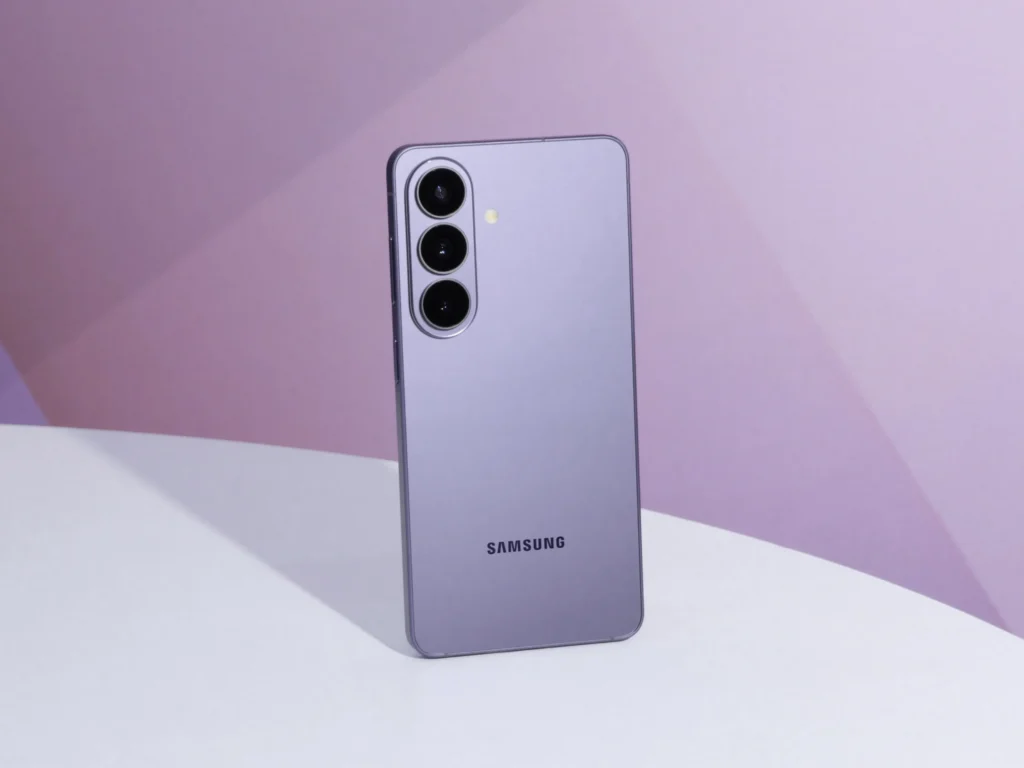
Galaxy S27: Samsung could keep the same camera sensors and focus on AI
Each year, Samsung takes the stage with a familiar promise: better photos, more precise portraits, improved zoom, and brighter night shots.
On paper, the advancements are indeed real. Galaxy smartphones regularly rank among the best in mobile photography. However, a new rumor concerning the upcoming Galaxy S27 might reignite a debate increasingly prevalent among enthusiasts: how far can Samsung enhance its camera capabilities without renewing the hardware?
According to several sources, the Korean manufacturer may consider retaining the same main sensors used in several generations of Galaxy S. If this information is confirmed, the Galaxy S27 could become a prime example of the shift from hardware innovation to software innovation.
Galaxy S27: Sensors that Span Generations
In recent years, Samsung has adopted a relatively conservative approach with certain models in its Galaxy S lineup. Rather than frequently renewing all its camera modules, the brand focuses on software optimization, image processing improvements, and the ever-increasing power of its processors.
This strategy has allowed Samsung to continue delivering competitive results despite occasionally unchanged hardware.
Users thus benefit from better noise management, advanced HDR processing, enhanced portraits, improved low-light performance, and AI-powered editing tools.
For most consumers, these advancements are often more noticeable than simply switching sensors. However, as generations pass, the question of hardware longevity inevitably arises.
When Optimization Replaces Hardware Innovation
The smartphone industry has undergone significant changes over the past decade. In the past, each new model brought larger sensors, more megapixels, or new optics. Today, the margins for hardware progression are diminishing, and manufacturers increasingly rely on computational photography.
This discipline combines artificial intelligence, machine learning, and computational power to automatically enhance images after capturing them.
This is precisely where Samsung excels.
The latest processors integrate increasingly powerful image signal processors capable of analyzing a scene in real time and instantly optimizing exposure, colors, or sharpness. Thanks to these technologies, an older sensor can sometimes produce better results than a newer one that is poorly utilized.
The Risk of Perceived Stagnation
The issue is not necessarily the final quality of the photos. Even without new hardware, the Galaxy S27 could well remain one of the best camera phones on the market.
The real challenge is more about the perception of innovation. If Samsung does indeed retain the same main, ultra-wide, and telephoto sensors for nearly six consecutive years on some models, savvy consumers might start to question the actual pace of evolution.
The question would no longer be “Are the photos better?” but rather “Why hasn’t the hardware evolved?” In a premium market where smartphones frequently exceed 1,000 euros, this inquiry is warranted.
Meanwhile, competitors continue to explore new avenues.
While Samsung perfects its software processing, several rivals are pursuing their hardware experimentation.
Chinese manufacturers are investing heavily in:
* Larger sensors.
* Variable aperture systems.
* Advanced capture technologies.
* Ever more efficient periscope modules.
This race for innovation creates tangible differences between generations and fuels the marketing narrative surrounding new models.
Samsung undoubtedly has the resources to keep up with this trend. Therefore, the company’s potential decision not to do so suggests more of a strategic choice than a technological constraint.
A Different Philosophy of Mobile Photography
Samsung’s approach today appears to rest on a simple conviction: software has become more important than hardware. And to some extent, the results back this up.
Advancements powered by artificial intelligence now allow for corrections that previously required much more advanced sensors. Algorithms enhance colors, restore details, and optimize exposure with impressive efficiency.
However, even the best software needs quality raw material.
A more modern sensor captures more light, improves dynamic range, and provides richer data for AI. Therefore, hardware and software innovation are not competitors; they are complementary.
Samsung Will Need to Convince Differently
At this point, the Galaxy S27 is still far from its official announcement, and Samsung’s plans may evolve. However, if current rumors prove true, the manufacturer will likely need to adjust its messaging. Consumers willingly accept that software improves their photos, but they also expect tangible evidence of hardware progress on high-priced devices.
Samsung still possesses one of the best expertise on the market in mobile photography. The real question, therefore, is not whether the Galaxy S27 will take good photos. It most likely will.
The challenge will be determining if, in 2027, software-only improvements will still be perceived as genuine innovation.



