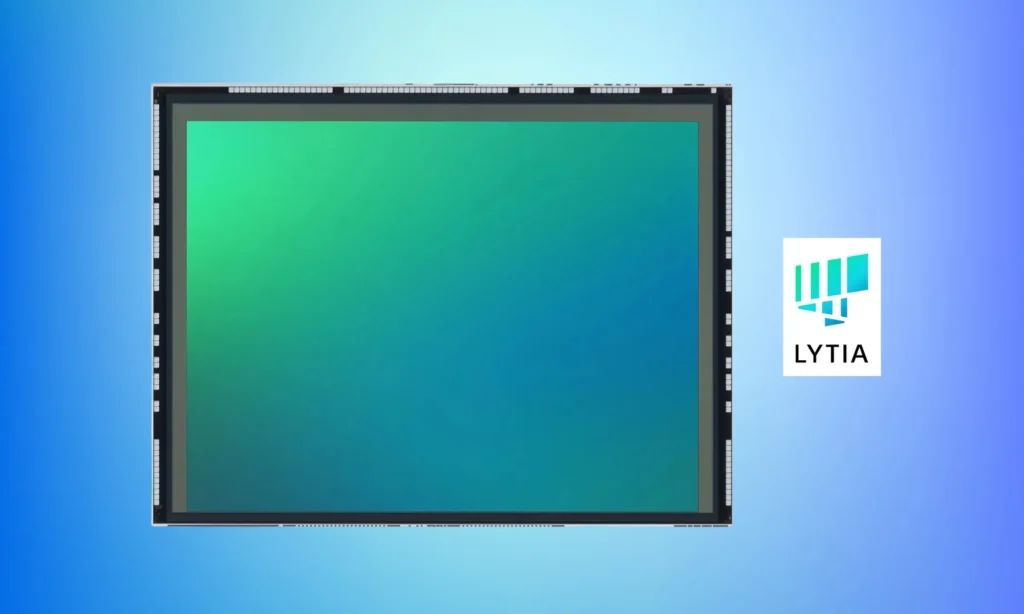
Sony LYTIA L910: A 50-Megapixel Camera Sensor with 100 dB Dynamic Range for Smartphones
The megapixel race has gradually receded into the background. Nowadays, sensor manufacturers primarily aim to enhance the actual quality of images, especially in challenging scenarios for smartphones.
With its new LYTIA L910 sensor, Sony appears set to tackle one of the major challenges in mobile photography: managing extreme variations in lighting.
Featuring a resolution of 50 megapixels, this new sensor promises up to 100 dB of dynamic range, improved noise management, and 4K HDR video recording at 60 frames per second while reducing energy consumption.
This combination could allow future high-end smartphones to achieve significant advancements in photography and videography.
Sony LYTIA L910: A Sensor Designed for Complex Scenes
Modern smartphones typically excel in favorable lighting conditions. Challenges arise when images simultaneously contain very bright areas and portions heavily shrouded in shadow.
This is particularly true for instances such as brightly lit streets at night, intense LED signs, sunsets, or high-contrast urban scenes. In these situations, traditional sensors tend to sacrifice either highlights or dark regions.
The new LYTIA L910 aims to eliminate this compromise.
LOFIC Technology at the Core of Innovation
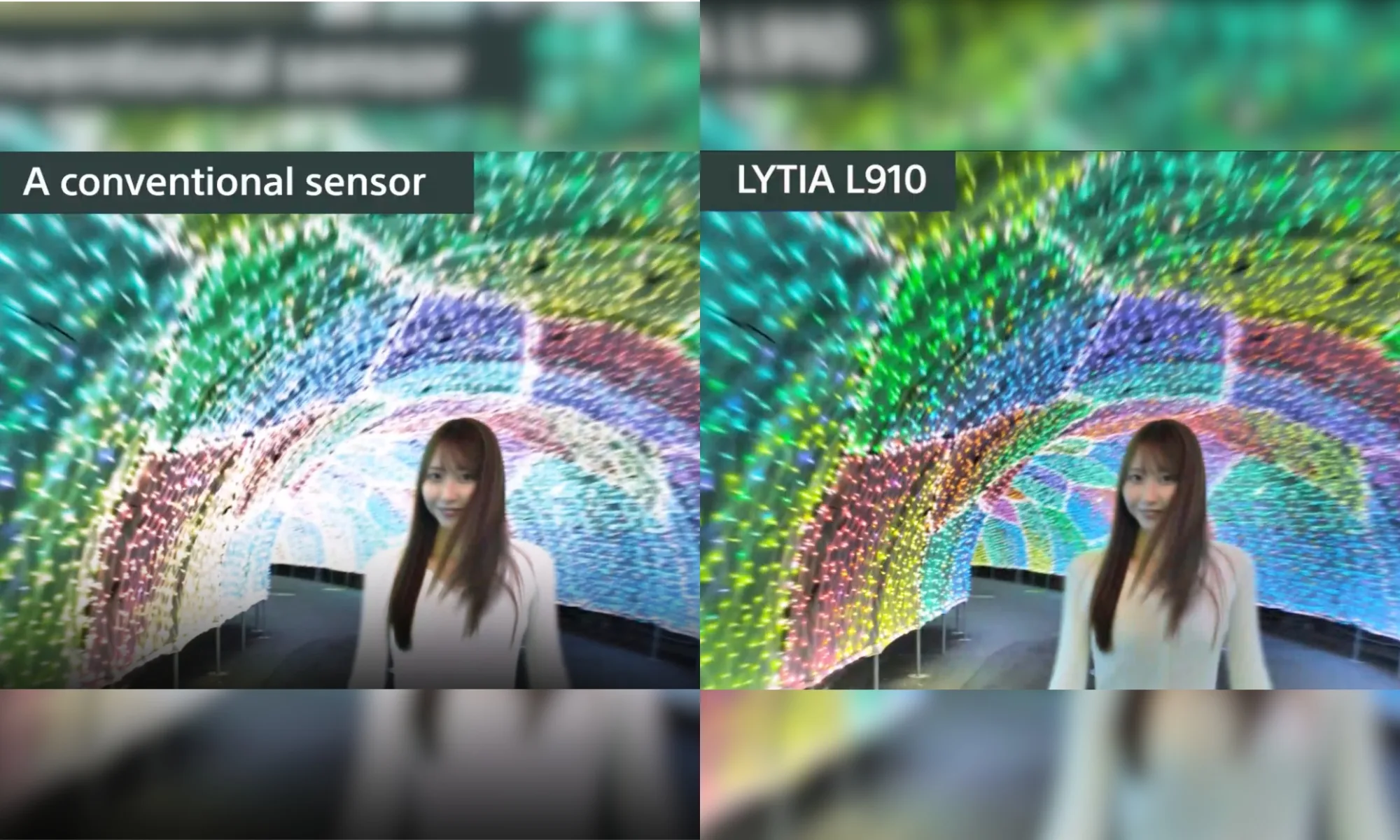
One of the sensor’s main advancements is based on a technology called LOFIC (Lateral Overflow Integration Capacitor). Its function is fairly straightforward. When a very intense light source hits the sensor, it can quickly become saturated and lose information in the brightest parts of the image.
The LOFIC system acts like a reservoir capable of storing the excess charge generated by these extremely bright regions. The result is that details remain visible in the highlights, and overexposure phenomena are significantly reduced.
In practical terms, bright signs, reflections, or urban lighting should retain more texture and nuance.
A Next-Generation HDR without Image Fusion
Sony also introduces a second key innovation: Triple Conversion Gain HDR. Traditionally, smartphones produce HDR images by combining several different exposures taken in succession.
This method enhances dynamic range but can also lead to certain flaws: motion blur, artifacts on moving subjects, or flickering issues under specific artificial lighting.
With the LYTIA L910, Sony takes a different approach. The sensor analyzes a single exposure at three distinct sensitivity levels before merging this information. This method provides up to 100 dB of dynamic range, equivalent to about 16.6 stops, without relying on multiple captures.
The advantage is particularly noteworthy for video and dynamic scenes.
Reduced Digital Noise in Low-Light Environments
Managing noise is another significant area of improvement. Sony states the LYTIA L910 reduces random noise by approximately 30% compared to the LYTIA 828, which is used in several recent foldable smartphones.
This enhancement should lead to sharper images in low light, better-preserved details, reduced software smoothing, and improved nighttime video quality. While smartphones increasingly utilize artificial intelligence to correct capture defects, Sony appears to be focused on directly enhancing the quality of the captured signal from the sensor itself.
4K HDR Video Becomes Less Energy-Intensive
Another important promise relates to battery life. Capturing 4K HDR video at 60 frames per second is currently one of the most demanding tasks for a smartphone. This workload places significant demands on the sensor, image processor, and battery. Sony indicates it has optimized the electronic architecture of the L910 to accelerate the conversion of light data into digital information.
The sensor would thus operate more efficiently and require less energy to perform the same tasks. Future smartphones equipped with the L910 could record high-quality HDR videos while minimizing the impact on battery life.
A Sensor That Arrives at the Right Time
This announcement comes at a time when mobile photography is entering a new phase. For a long time, manufacturers focused on increasing resolution or the number of sensors. Today, the emphasis is gradually shifting towards improving HDR processing quality, professional video capabilities, and low-light performance.
In this context, a sensor that can deliver a dynamic range approaching that of specialized cameras represents a major strategic advantage.
Sony Aims to Remain the Benchmark in Mobile Photography
With the LYTIA L910, Sony once again demonstrates why its sensors are found in many of the premium smartphones on the market. Rather than continuing the race for megapixels, the company focuses on technological advancements that can directly improve image quality in the most complex situations.
The first production shipments are expected for the summer of 2026, although no manufacturer has officially announced its use yet.
One thing is certain: in a market where the difference between two smartphones often hinges on a few photographic details, the LYTIA L910 could quickly become one of the most sought-after sensors for the next generation of mobile devices.