

macOS 27 : Apple préparerait la fin des Mac Intel et un virage plus affirmé vers l’IA
The upcoming major update for the Mac could mark a historic turning point. With macOS 27, Apple is preparing to significantly reduce, or even completely end support for Macs equipped with Intel chips.
This change would close a transition that began in 2020 with the introduction of the first Apple Silicon Macs. Since then, Apple has progressively shifted the focus of the Mac towards its M chips, which are more efficient, powerful, and better suited for new artificial intelligence functions.
The Inevitable Conclusion of a Six-Year Transition
Apple has never hidden its ambition: to take complete control over the architecture of the Mac. Intel Macs have already started to be excluded from certain features related to Apple Intelligence. macOS 27 could therefore take a further step by concentrating new features on Apple Silicon machines.
For Apple, the benefits are clear: simplifying development, optimizing performance, and leveraging the capabilities of its own chips more effectively.
Siri and Apple Intelligence at the Heart of the New Mac
Another major evolution expected involves Siri. Apple is reportedly working on a much smarter version of its assistant, capable of understanding context, conversing more naturally, and interacting more deeply within applications.
macOS 27 could thus become a central piece of Apple Intelligence’s strategy, offering more integrated tools within the system: content summarization, writing assistance, smarter search, and proactive recommendations.
The aim is to make AI less visible as a separate product but more embedded in the daily tasks of using a Mac.
Liquid Glass: A Visual Ambition with Controversy
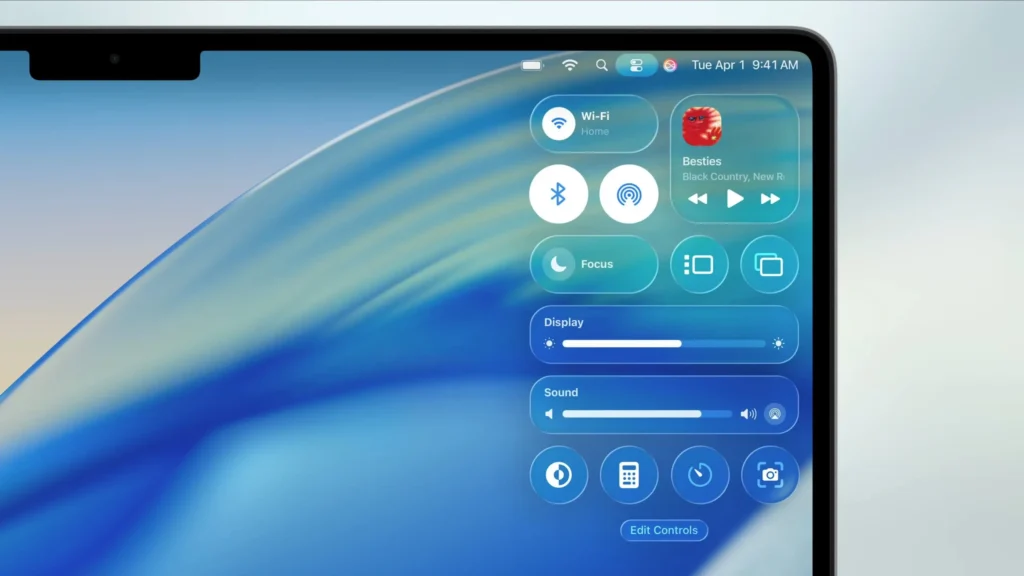
The update is also expected to continue the evolution of the “Liquid Glass” design. This interface, based on transparency, reflections, and smoother animations, already divides users. While some see it as an elegant modernization of macOS, others fear a loss of readability in favor of a visually impressive effect.
Apple will need to balance graphic sophistication with usability clarity.
A Delicate Turning Point for Users
For owners of Intel Macs, macOS 27 could be a challenging update to accept. Many MacBook and iMac Intel models are still in use across businesses, schools, and creative studios. An accelerated end to support could compel some users to upgrade their hardware sooner than anticipated.
However, from Apple’s perspective, the direction makes sense. The future of the Mac now hinges on Apple Silicon, localized AI, and an ever-tightening integration between hardware and software.
The Mac Enters Its New Decade
If rumors hold true at WWDC 2026, macOS 27 will not just be an annual update. It will symbolize a generational shift.
Having moved away from Intel on the hardware front, Apple appears ready to fully turn the page on the software side. The Mac of tomorrow will not only be faster or more autonomous; it will be designed from the ground up for artificial intelligence.



