

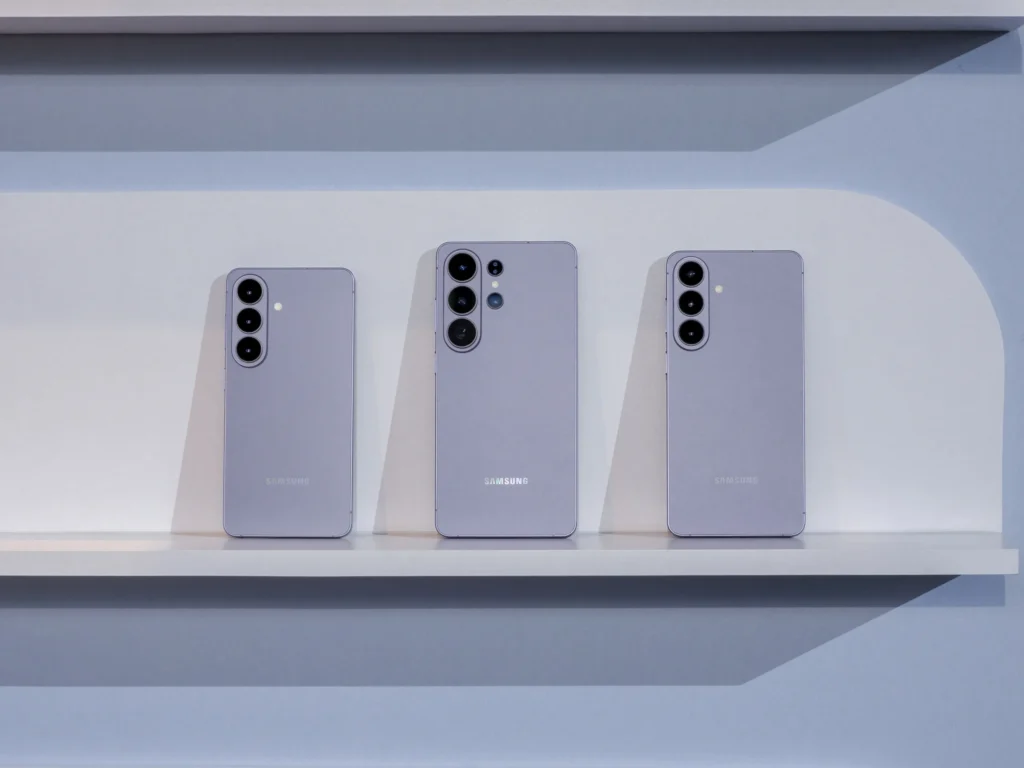
Samsung Galaxy S26: A Price Increase Is Coming to Europe
Samsung’s premium smartphones have never really been impulse purchases. However, in 2026, the Galaxy lineup may enter a new pricing tier amid ongoing tensions over memory components.
According to multiple reports, Samsung is preparing a price increase for several Galaxy models in Greece starting in the first week of June, with increases potentially ranging from €100 to €200 depending on configurations.
The affected models are expected to include the Galaxy S series, the Galaxy Z Fold 7, Z Flip 7, and certain Galaxy FE devices.
Premium Galaxy Devices Set to Get More Expensive
The price hike will not only affect future models. Increases have already been observed on some Galaxy devices in the United States, specifically for the high-storage versions of the Galaxy Z Fold 7, Z Flip 7, Galaxy S25 FE, and several Galaxy Tab tablets.
The message is clear: Samsung appears to be passing some of the pricing pressure onto the higher-end variants. This strategy, while logical, is risky since these models specifically attract the most loyal and tech-savvy users.
Memory Becomes the New Battleground
The primary reason behind the increase is likely the surge in memory costs. The massive demand for chips for AI and data centers is placing pressure on the entire supply chain, with anticipated repercussions for smartphones, PCs, and other connected devices.
Samsung isn’t alone in this situation. Even Chinese brands, once aggressive on pricing, are starting to adjust their prices. The high-end smartphone market is entering a phase where AI performance, storage, and memory components are becoming major cost factors.
A Strategic Challenge Before Upcoming Foldables
This price increase comes at a delicate time. Samsung is already preparing the next generation of foldables, expected around the Galaxy Z Fold 8, Z Fold 8 Ultra, and Z Flip 8. If this trend continues, these models could launch with even higher prices than their predecessors.
The risks for Samsung are twofold: to maintain its margins without discouraging upgrades. As prices rise, the premium smartphone segment no longer competes solely against the iPhone or Chinese flagships. It now needs to justify every additional euro.
Samsung appears to be entering a new equation: sell fewer units at higher prices, but ensure each model is better valued. The question remains: how far will consumers be willing to follow?



