Motorola razr 70 Ultra, Plus and standard: complete analysis of the new foldable generation
Motorola is refining its vision of the foldable smartphone. With the razr 70 series, the brand is no longer trying to prove the viability of the format but is exploring its possibilities.
Three models, three positions, but the same ambition—to transform the foldable into an everyday object that lies at the intersection of style and intelligence.
Razr 70: A range designed as a technological collection
With the Motorola razr 70 Ultra, Motorola razr 70 Plus, and Motorola razr 70, Motorola is not just offering a technical specification; it is building a product narrative.
Each model embodies a different level of experience. The razr 70 Ultra showcases technological prowess, the razr 70 Plus strikes a balance, while the standard razr 70 democratizes the format without compromising its essence. This strategy draws inspiration from the luxury and automotive industries, where each variant responds to a specific use case without diluting the overall identity.
This segmentation marks a departure from earlier generations of foldables, which were often limited to a single flagship model. Here, Motorola aims to establish the razr as a complete range in its own right.
The razr 70 Ultra: An unapologetic technological showcase
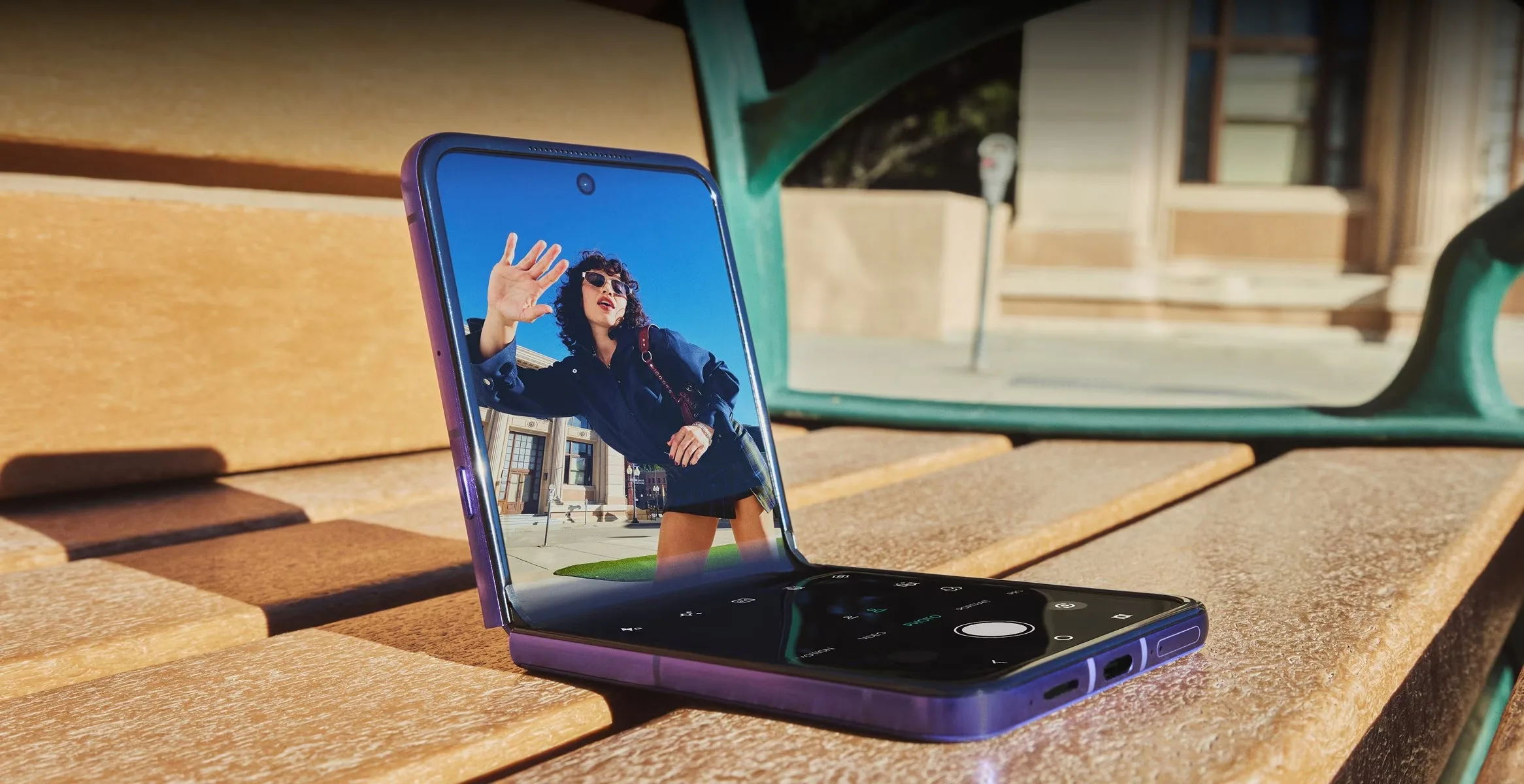
The razr 70 Ultra crystallizes Motorola’s ambitions. Its 6.96-inch AMOLED internal display, capable of reaching 5000 nits, is among the brightest on the market. However, it is its 4-inch external display that redefines usage: notifications, apps, widgets, and even gesture and voice interactions—all possible without opening the smartphone.
Motorola transforms a traditionally secondary element into a truly primary interface.

In terms of photography, the triple 50-megapixel sensor introduces LOFIC technology, significantly enhancing dynamic range—a crucial feature for mobile video. The integration of Dolby Vision strengthens this ‘pocket cinema’ orientation.

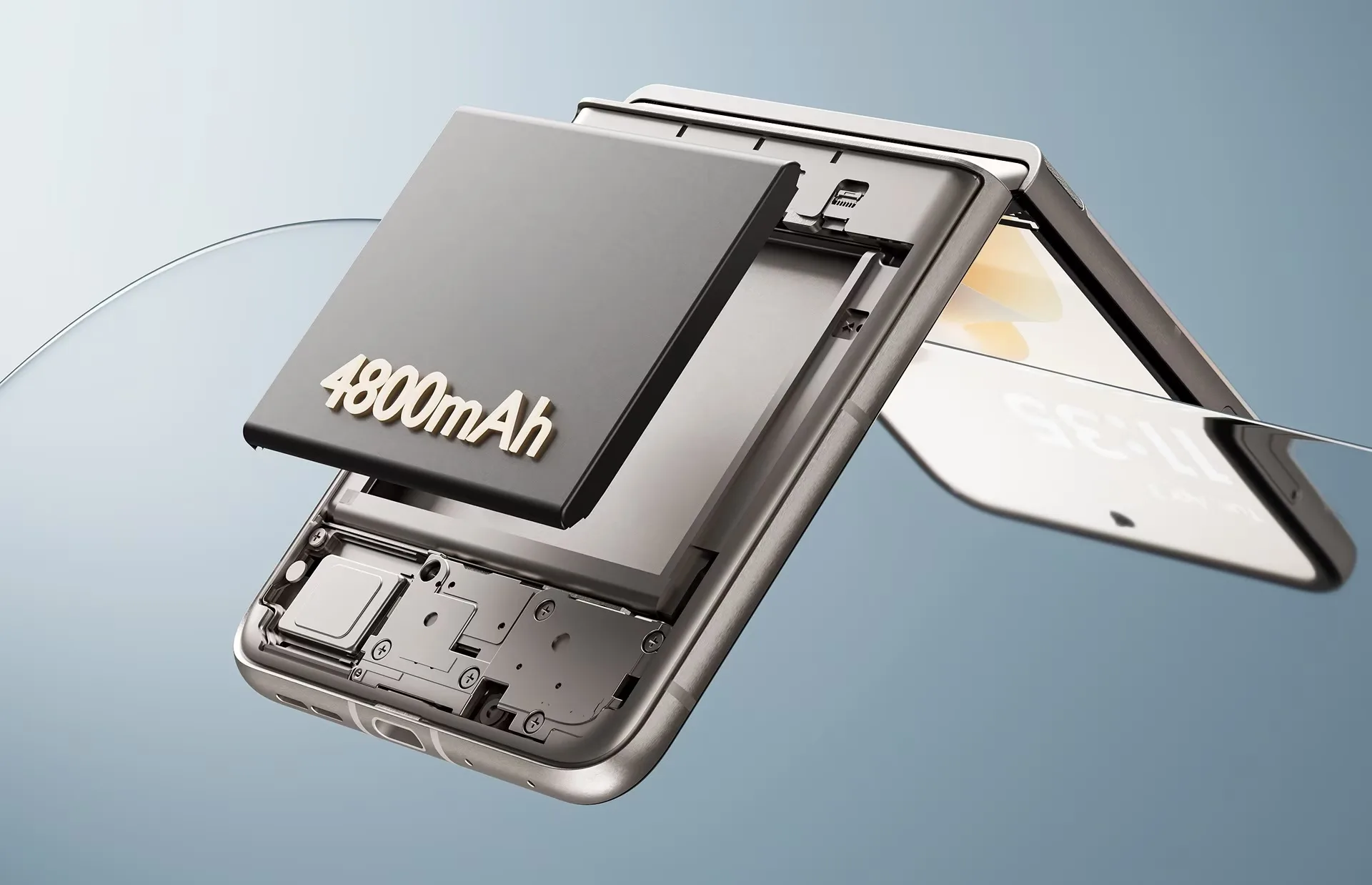
Under the hood, the Snapdragon 8 Elite chip, paired with an advanced AI engine, targets intensive use: multitasking, gaming, video capture. The 5000 mAh battery, coupled with 68W charging, promises more than a day of autonomy and quick recharging in minutes.
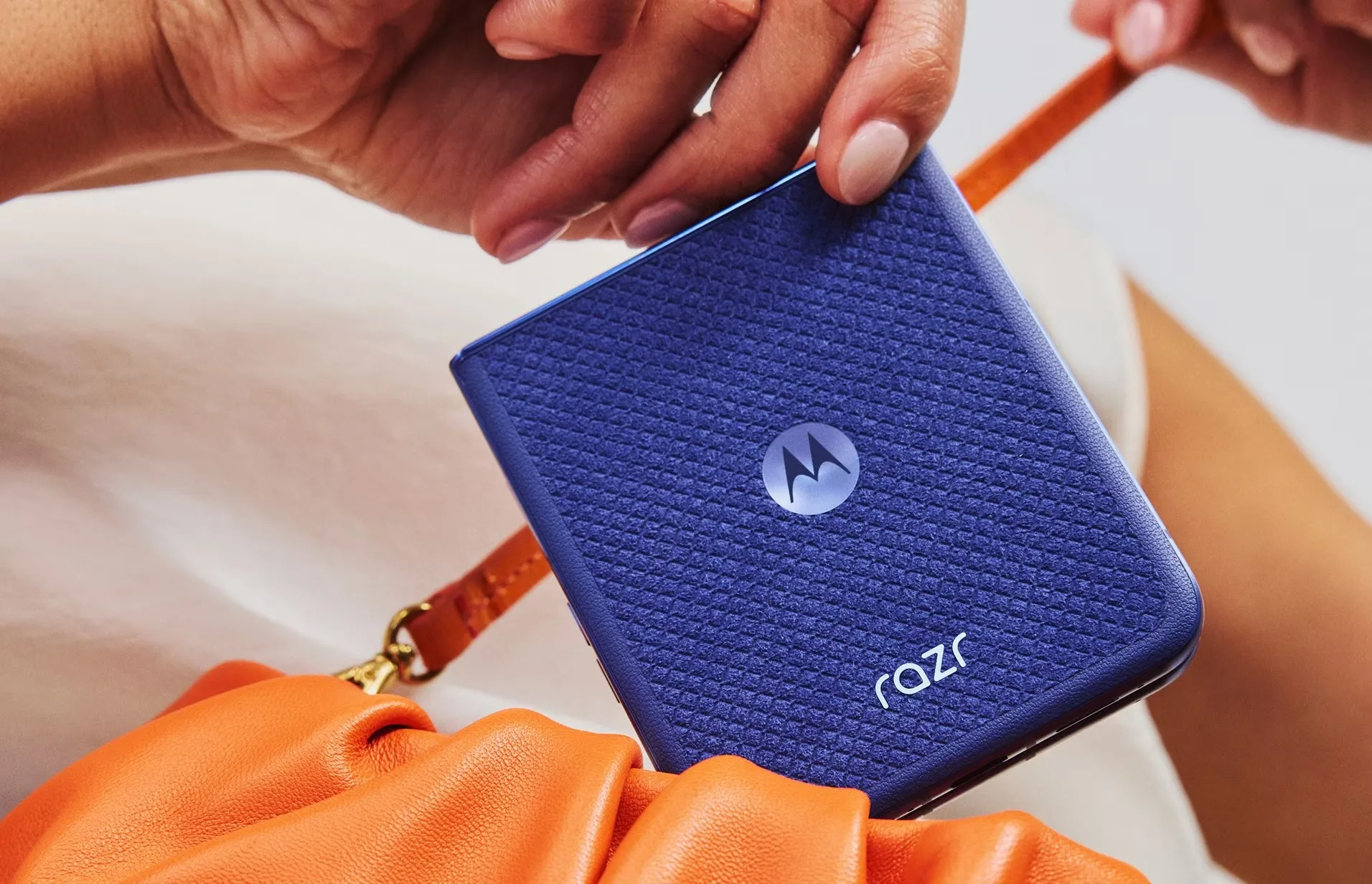
Finally, design becomes a strategic argument: Alcantara, natural wood, Pantone finishes… the smartphone fits into a lifestyle product narrative, far beyond a mere technological gadget.
The razr 70 Plus: The market’s balance point
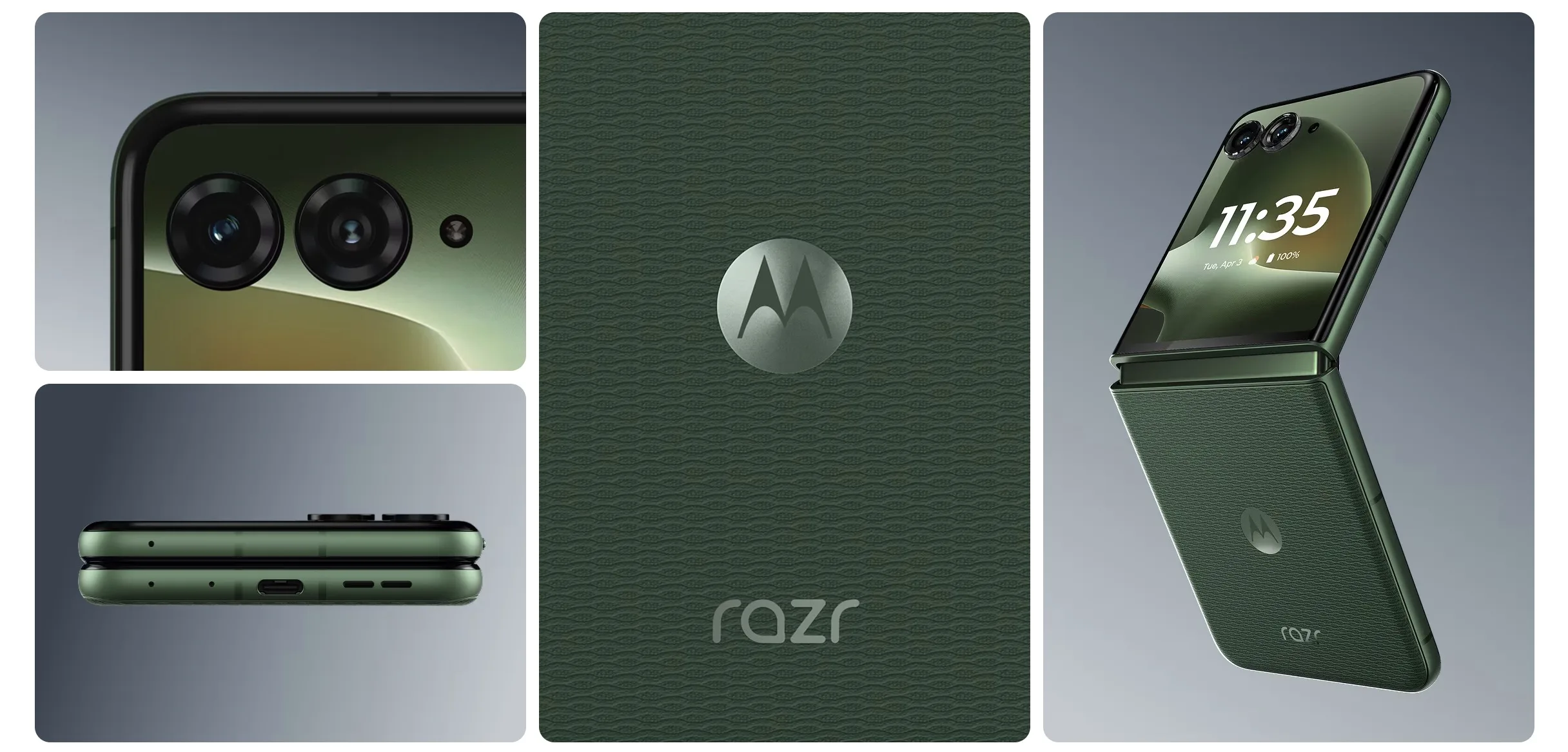
The razr 70 Plus embodies a more pragmatic strategy. It retains the essentials of the Ultra model—specifically the 4-inch external display—while adjusting the technical specifications for a better price/performance balance.

Its Snapdragon 8 Gen 3 processor ensures solid performance without aiming for extremes. The dual 50-megapixel photo module prioritizes versatility, featuring optical stabilization and optimized image processing.
This model is clearly targeted at a discerning yet rational audience that seeks the full foldable experience without diving into the ultra-premium category.
The razr 70: Democratizing without degrading

With the razr 70, Motorola takes a significant step: making the foldable accessible without sacrificing its DNA. Admittedly, the external display is smaller (3.63 inches), but it retains essential features. The internal display remains generous (6.90 inches), and importantly, the Flex View experience transforms the smartphone into a standalone creative tool—capable of being propped up and capturing without additional accessories.
The choice of MediaTek Dimensity 7450X processor embodies this desire for balance: providing enough power for smooth usage while keeping costs manageable.
The result: a product that does not feel like a “budget version” but rather a coherent entry point into the foldable universe.
Artificial intelligence, the pivot of user experience
Motorola does not merely add AI; it integrates it as a guiding thread.
With moto ai, the interface becomes contextual. The “Catch Me Up” function summarizes notifications, “Next Move” anticipates actions, and global search centralizes access to content.
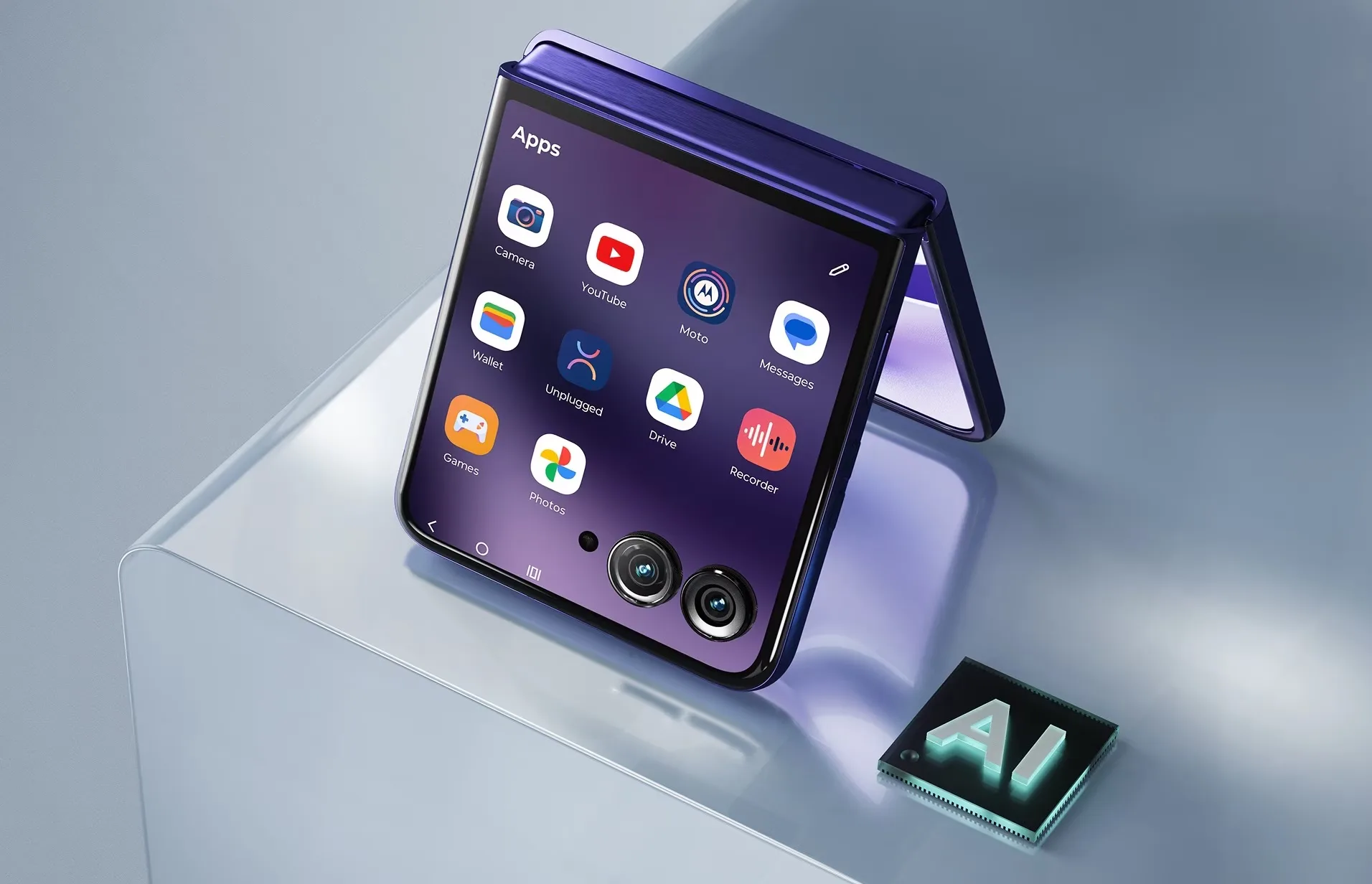
Even more interesting, Motorola takes an open approach by integrating Google Gemini, Microsoft Copilot, and Perplexity AI. This ensures users aren’t confined to a closed ecosystem, unlike some competitors.
In creative terms, AI also plays a role in photography:
- automatic selection of the best expressions (Group Shot),
- reproduction of framing (Frame Match),
- HDR optimization for social media,
- and even identification of clothing in the gallery to create visual associations.
This feature perfectly illustrates the convergence of technology, lifestyle, and everyday usage.
A strategic response to Samsung and the foldable market
In response to Samsung, the market leader with its Galaxy Z Flip and Fold, Motorola is refining its differentiation.
While Samsung focuses on power and software continuity, Motorola emphasizes design and materials, simplified user experience, seamless AI integration, and a more ‘emotional’ approach to the product.
This strategy could appeal to an audience tired of traditional smartphones but still hesitant about foldables.
Toward a normalization of foldables
With prices ranging from €999 to €1,499, the razr 70 series remains positioned in the premium segment but initiates a gradual democratization.
Most importantly, it marks a turning point: foldables are no longer a marginal innovation but a credible, structured, and segmented alternative.
Motorola isn’t revolutionizing the market; it’s moving it into a new phase of maturity—one where smartphones must not only be functional but also tell a story.
And in this narrative, foldables have finally found their place.