

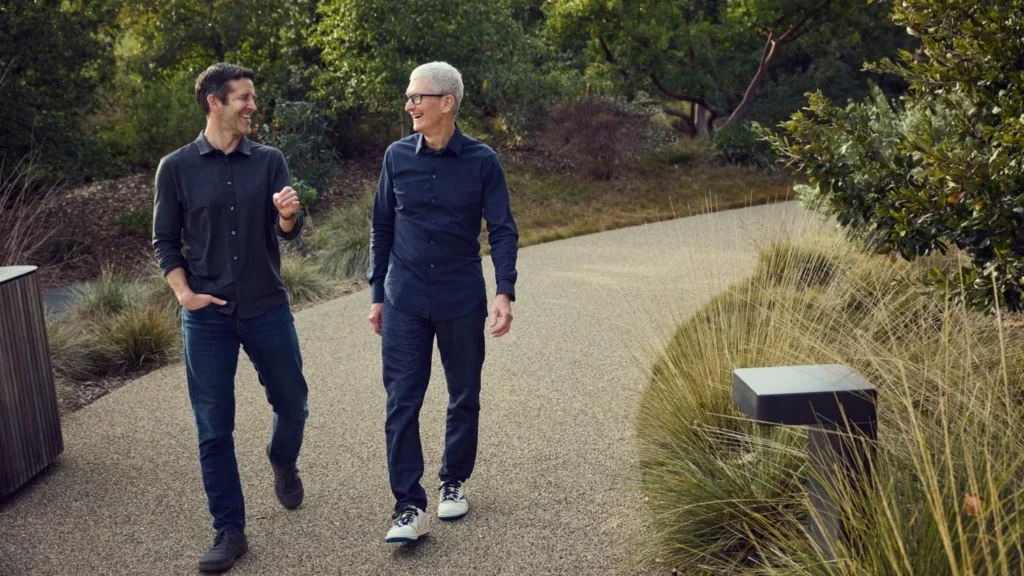
The End of an Era: Tim Cook Hands Over Leadership, Apple Changes Its Face
After more than a decade at the helm of Apple, Tim Cook is preparing to step down. The iconic leader will officially hand over the CEO position on September 1, 2026, to John Ternus, the current head of hardware.
This significant transition marks the end of an era… and the beginning of a new one, potentially more focused on product engineering.
A Carefully Orchestrated Transition
Apple is leaving nothing to chance. Until the end of summer, Tim Cook will remain CEO to ensure a smooth transition. Starting from September 1:
- John Ternus becomes CEO
- Tim Cook assumes the role of Executive Chairman of the Board
- Ternus will also join the board
This setup recalls some of the most well-executed transitions in Silicon Valley: strategic continuity with a gradual evolution in leadership.
Tim Cook: The Man Behind Quiet Transformation
When Steve Jobs entrusted him with leadership in 2011, many had doubts. Fifteen years later, the results are hard to contest. Under Cook’s leadership, Apple launched the Apple Watch and AirPods, structured a services ecosystem with iCloud and Apple Pay, and opened a new category with the Apple Vision Pro.
Most importantly, he transformed Apple into an ultra-efficient economic machine, with a services division exceeding $100 billion.
Though less of a visionary product leader than Jobs, Cook was the industrial and financial strategist who consolidated the empire.
John Ternus: The Return of a “Product” Profile
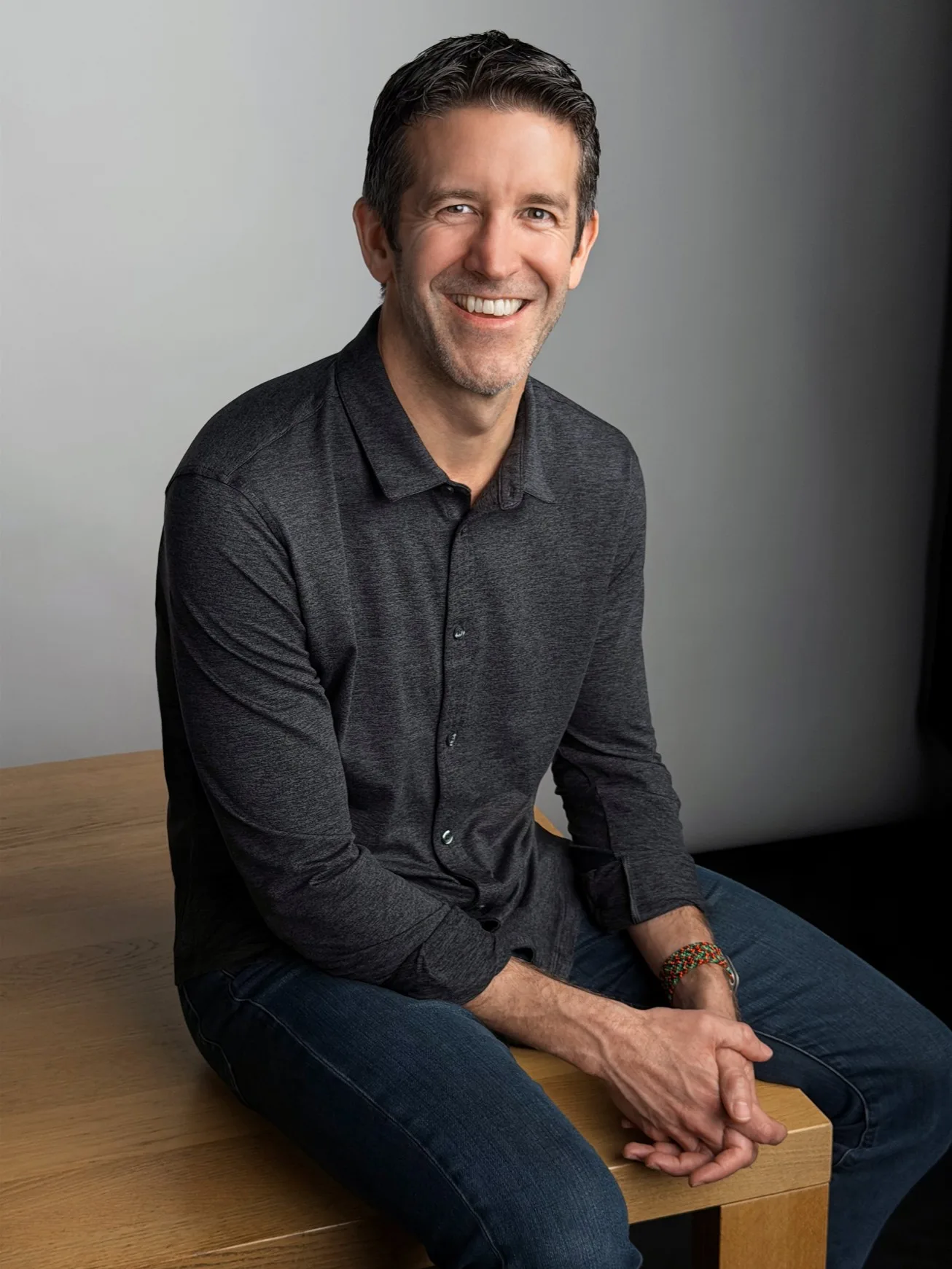
John Ternus is not an outsider. Having been with Apple for over 20 years, he has overseen much of the modern hardware of the brand.
His profile contrasts with Cook’s:
- engineer by training
- close to the product teams
- involved in the development of the Mac, iPad, and iPhone
His leadership at Apple could signify a shift: moving from optimization to a focus on product innovation.
A Key Reorganization Around Hardware
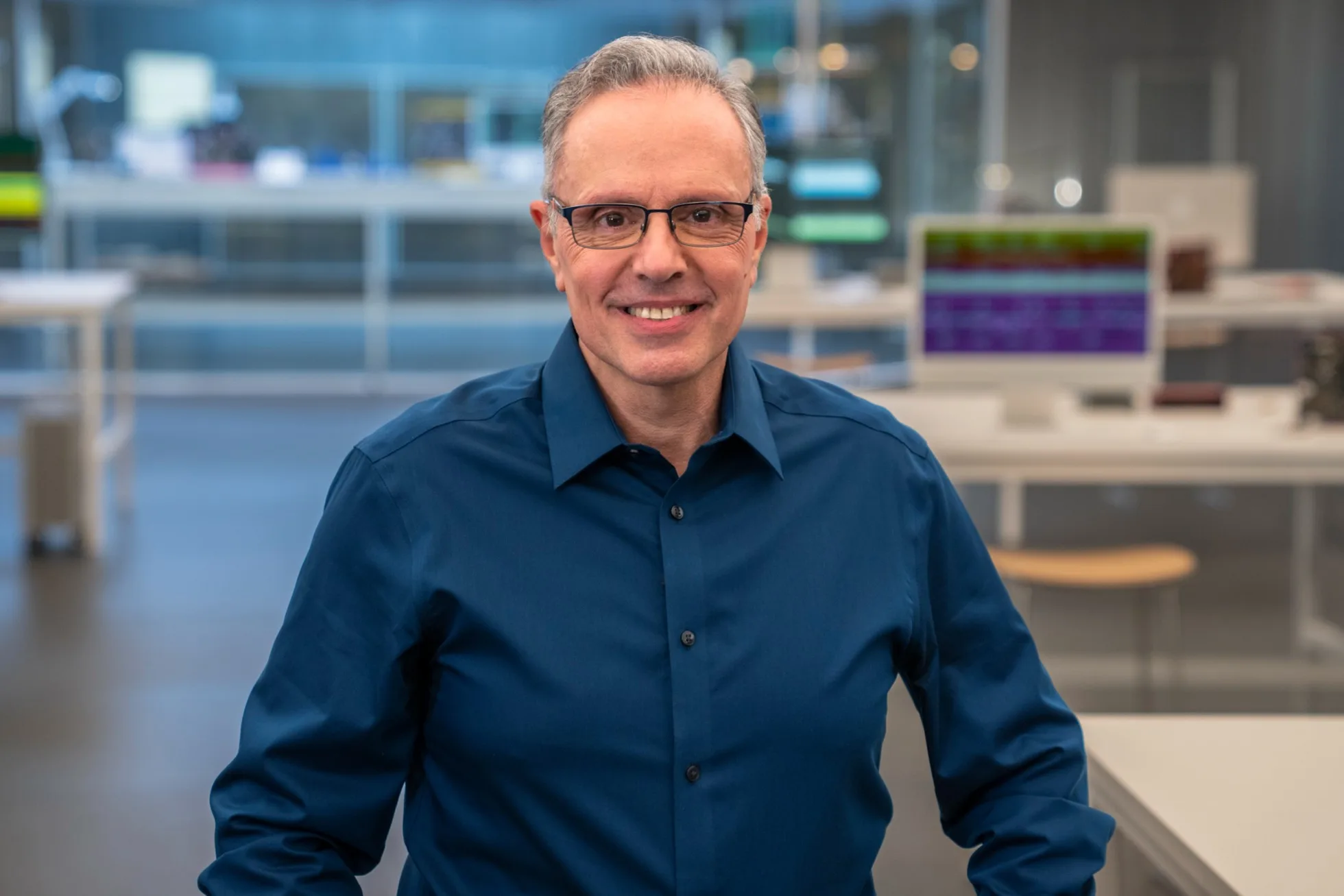
Another strategic move sees Johny Srouji becoming Chief Hardware Officer. He will take charge of hardware engineering and silicon technologies (Apple Silicon). This Ternus-Srouji duo sends a strong signal: Apple is reinforcing its hardware DNA and consolidating its lead on in-house chips.
What This Transition Really Means for Apple
This handover is not just symbolic. It occurs at a pivotal moment: the rise of AI, the maturity of the smartphone market, and new territories (mixed reality, wearables, services).
Apple must now invent its next growth drivers while maintaining its ultra-profitable model.
A New Era: Between Continuity and Disruption
Tim Cook is not disappearing entirely. As Executive Chairman, he will continue to influence strategic decisions and manage political and institutional relationships.
However, the center of gravity is shifting. With John Ternus, Apple may accelerate its focus on innovative hardware, rethink certain product categories, and enhance the integration of AI, silicon, and user experience.
Apple Enters Its Third Major Phase
After the Steve Jobs era (product vision), and the Tim Cook era (expansion and optimization), a third phase is now opening: that of a post-maturity Apple where innovation must become visible again, without disrupting an already well-oiled economic machine.
The question is no longer whether Apple can succeed without Cook. It is now about what kind of Apple John Ternus will build.



