

Apple Plans: Ads Will Arrive in Your Routes This Summer
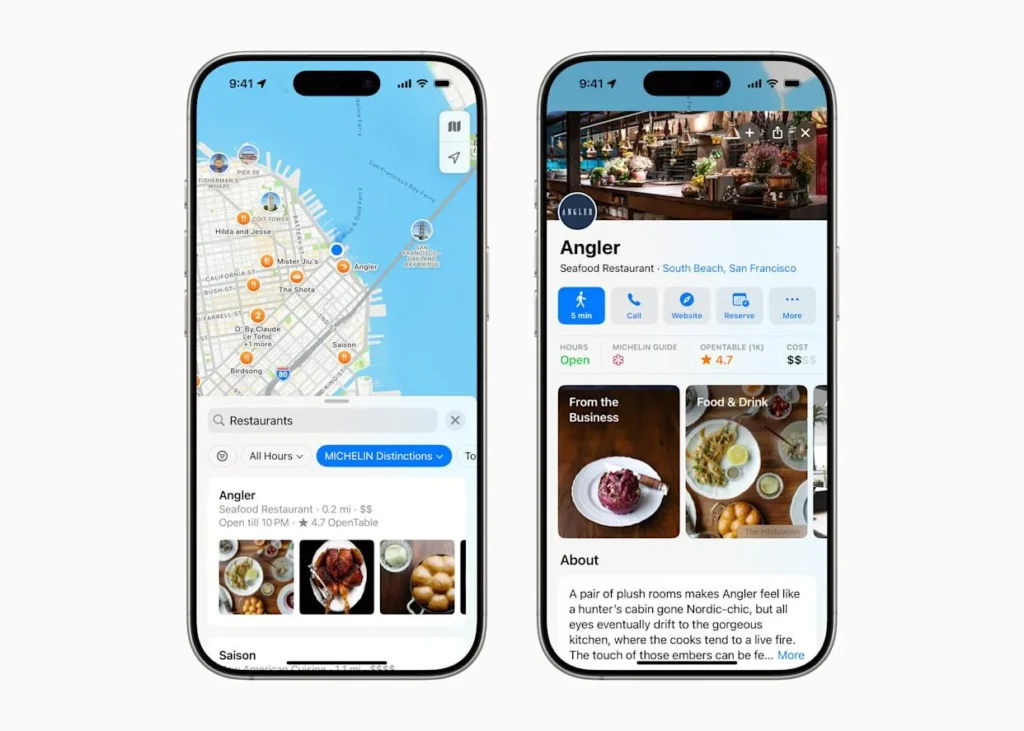
Apple has not officially confirmed the new feature, but the signal is clear. According to a recent report from Bloomberg, Apple is preparing to introduce ads in Apple Plans, featuring an integrated sponsored format within search results.
This decision aligns with the increasing importance of Services at Apple — but it further blurs the line between the premium experience promised by the brand and advertising monetization strategies.
Sponsored Results Directly in Apple Plans
According to Bloomberg, Apple is working on a system that allows businesses to buy visibility in Apple Plans. The concept is familiar: a business could bid on queries such as “coffee,” “restaurant,” or “auto repair” to appear above organic results in the Plans app used on iPhone, Apple Watch, CarPlay, and other software platforms in the Apple ecosystem.
Reuters has also reported that this launch could happen as early as this summer, although no public confirmation from Apple is available at this stage.
A Well-Established Mechanism in the App Store
This development comes as no surprise. Apple already operates an advertising business in the App Store through Apple Ads, with ads visible in the Today tab, the Search tab, search results, and at the bottom of product pages. Apple additionally explains that ads in the App Store search results can appear at the top or lower down the page, depending on the context.
In other words, Apple Plans would only be extending an existing advertising logic already fully embraced in other in-house services.
The timing is certainly significant. Apple highlighted a record 2025 for its Services division, which surpassed $100 billion in annual revenue for fiscal year 2025, according to results reported last fall. In this context, monetizing a widely used application like Plans seems a logical extension of the Services strategy. It’s no longer just a utility product; it’s also an entry point for local discovery, making it a potentially lucrative advertising space.
The Real Issue: Balancing Commercial Relevance and Privacy Promises
This is where the matter becomes more sensitive. Apple continues to assert that Plans relies heavily on random identifiers and mechanisms that limit the association of searches and movements with user identity. The company states in its documentation on Apple Advertising that its advertising platform does not build profiles based on precise location and does not use precise location for targeting; however, it can utilize approximate location to deliver geographically relevant ads in certain apps. Apple also emphasizes that several personalization features in Maps are created on the device itself.
This significantly nuances the idea that Apple Plans will “exploit your location history” in a broad sense. To date, Apple’s public documents primarily highlight a controlled contextual and geographic targeting strategy, with a privacy narrative very different from Google’s historical advertising model. So, the challenge will be less about the presence of ads and more about how Apple integrates them without violating its promise of privacy.
A More Philosophical Change Than Technical
From a product perspective, the concept seems almost mundane: sponsored results in a mapping application. From a symbolic standpoint, it’s quite another matter. For years, Apple has positioned itself as the high-end alternative to Google’s advertising ecosystem. Seeing Plans adopt a similar trajectory to Google Maps implies acknowledging that no major digital interface can completely escape the performance imperatives. Bloomberg even characterizes this initiative as a new growth avenue for Apple’s Services strategy.
The success of this transition will depend on a crucial detail: friction. If the ads remain clearly identified, limited in number, and genuinely useful within the context of local searches, Apple can gain acceptance. If they feel like they clutter an app that has been perceived as more streamlined than its competitors, the reaction could be much harsher — especially since Apple users often pay for that sense of simplicity without visual clutter.
Apple may not have officially announced ads in Plans yet, but the mere progression of this project signifies one thing: in Cupertino, mapping is no longer just a service. It is now a fully-fledged commercial asset.



