

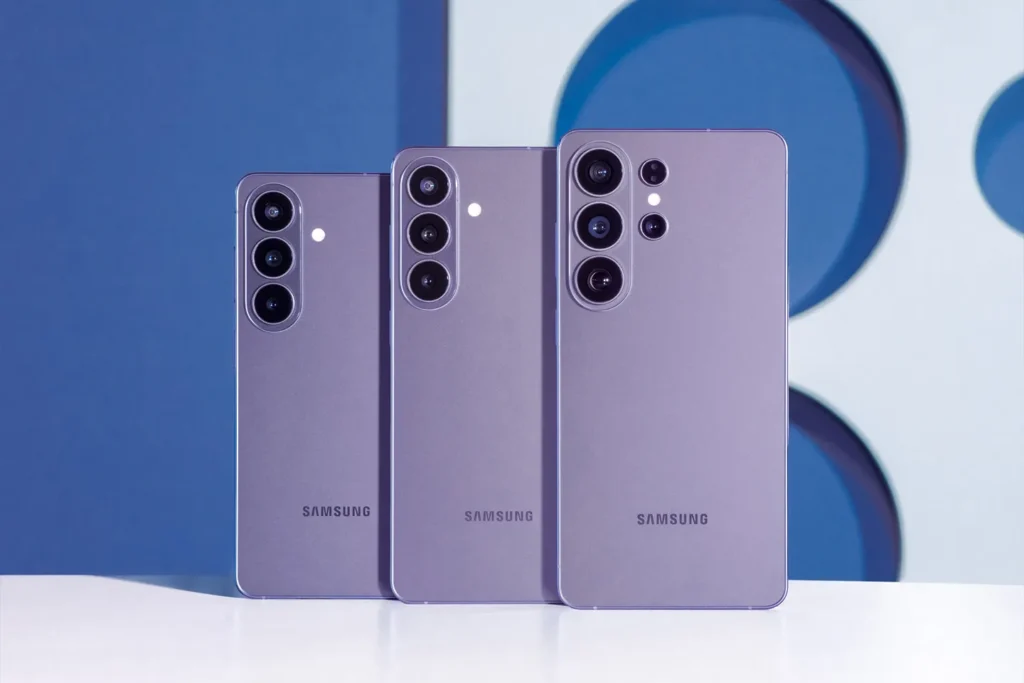
Samsung expands satellite connectivity on Galaxy devices, including the Galaxy S26: carriers, countries, features, and limitations
Samsung announces a new milestone in integrating satellite capabilities on smartphones: the brand is expanding its satellite communication features to more compatible Galaxy devices, including the Galaxy S26, in accordance with operator availability, regulatory approvals, and software updates.
The goal is straightforward: to ensure a minimum level of connectivity—messaging, essential data, and emergency assistance—when traditional mobile networks are unavailable.
Since 2025, Samsung had already initiated this technology in a part of its Galaxy lineup. In 2026, the narrative shifts: satellite connectivity is no longer just a technical bonus, but a core infrastructure component meant to support the rise of AI applications and critical services. Samsung frames this as a logical extension of its telecom legacy and an open collaboration with global partners.
What Satellite Communication Enables on a Galaxy S26
Samsung outlines a “layered” approach, rolled out according to market conditions:
- Emergency assistance (eSOS / T911 depending on the country and operator)
- Text messaging outside cellular coverage
- Access to “essential” data (light connectivity)
- Compatibility: select Galaxy flagship models (starting from the S21 series based on partnerships) and a range of Galaxy A devices—provided they have the appropriate model and compatible software version.
It’s important to note that Samsung emphasizes this is not a universal solution. Satellite connectivity relies on three concrete factors: the operator, legal framework, and software layer.
Where It’s Coming: United States, Europe, Japan (with operator-dependent nuances)
United States:
- T-Mobile: T911 + text + data via “T-Satellite” and Starlink for select Galaxy devices (flagships and Galaxy A) released after the S21 series.
- Verizon: eSOS + messages available on flagships starting from the S25 series (as per Samsung’s communications).
- AT&T: Samsung indicates it is working with the carrier for future support.
Europe:
- Virgin Media O2 (United Kingdom): gradual activation on select Galaxy devices; O2 recently launched a satellite-to-mobile public service utilizing Starlink, starting with “recent” Samsung devices.
- MasOrange (Spain): Samsung announces testing beginning in March.
- Vodafone: ongoing partnership, with deployment varying by country.
Japan:
- KDDI: since 2025, text + data and ETWS (earthquake/tsunami alerts) on select Galaxy devices (S22 and newer) and some Galaxy A models.
- SoftBank & NTT docomo: announced availability on select devices starting in 2026, subject to operator timelines.
The Real Innovation Is in “Scaling”
What’s notable is not just the addition of a feature but how Samsung positions it: satellite as a safety net, not as a permanent alternative network. We’re talking about “essential” continuity, not streaming in the middle of the mountains. Furthermore, Samsung does not solely “unleash” this feature; the experience depends on commercial agreements and infrastructure (Starlink on T-Mobile/O2, local initiatives in Japan, etc.). This has a tangible 2026 effect: the Galaxy S26 series becomes the showcase where Samsung can claim “yes, we are there,” but the crux lies in the actual availability, country by country, model by model.
In the background, Samsung is seeking to reframe satellite connectivity as a layer of trust: useful when it matters (for emergencies and continuity), and integrated enough not to be seen as a gimmick.



