

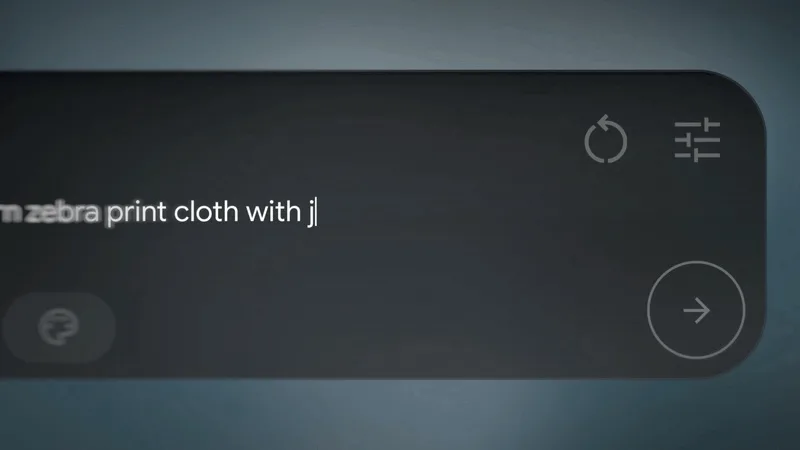
Google Flow: The Video AI Veo 3.1 Arrives in Google Workspace for All Professionals!
Google is opening a new chapter in AI-assisted video creation: Flow, its generative filmmaking tool, moves from the Pro/Ultra subscription tier to be integrated into Google Workspace.
This transition reflects a significant trend: video AI is no longer just a playful tool for creators; it has become a production asset for businesses, educational institutions, and large organizations.
A Logical Extension: From Premium Subscription to Work Tool
Previously, Flow was primarily associated with the public offerings of “AI Pro” and “AI Ultra.” Now, Business, Enterprise, and Education Workspace clients can also access it — a strategic upgrade that seems inevitable: if Google wants to establish its AI stack, it must make it available where budgets and ongoing use are found.
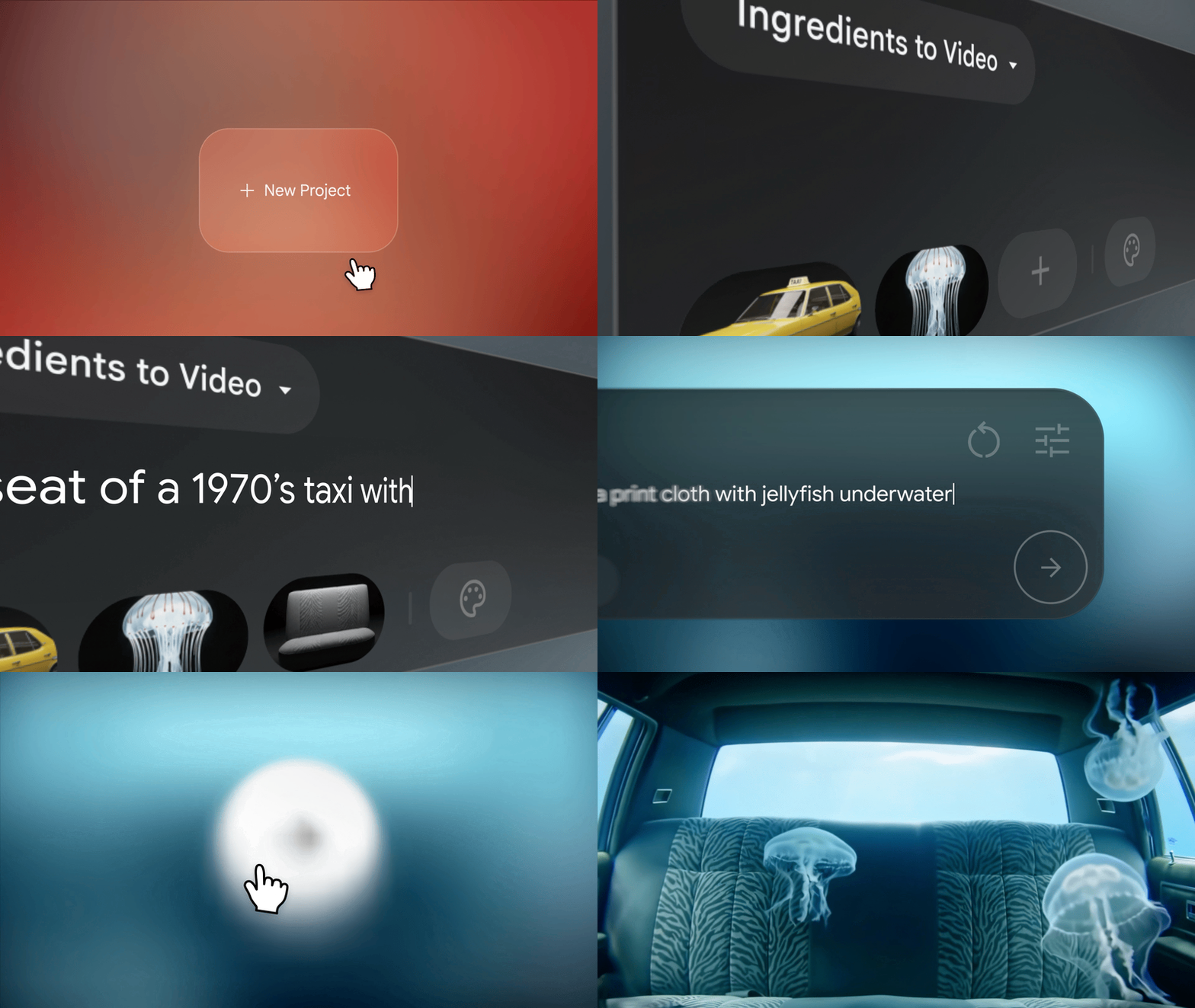
Specifically, Flow leverages Veo 3.1, Google DeepMind’s video generation model, to produce 8-second clips from text prompts or images. These segments can then be assembled to create longer sequences, with controls for staging (lighting, “camera” angle, object insertion/deletion).
Veo 3.1: The Upgrade Targeting TikTok… and Corporate Slides
What makes a significant difference is not just a flashy feature: it is the native support for vertical video (9:16). In other words, Google is removing a major obstacle for social media and communication teams who work with formats like Shorts/Reels/TikTok.
Another strong signal is the advancement of the “production” layer. Veo 3.1 emphasizes coherence mechanisms based on reference images (characters, backgrounds, textures) and the ability to upscale for higher-quality outputs. While not everything defaults to “cinematic,” the goal is clear: create usable assets more quickly, with less trial and error.
Audio, Images, and “Nano Banana Pro”: Flow Becomes a Production Line
Google has also enhanced audio capabilities within Flow: sound generation from reference images, transitions, and clip extensions. “Silent” videos are no longer a given, which is a critical aspect for professional use cases (product demos, training, HR modules, educational content).
And then there’s the unforgettably named tool: Nano Banana Pro, which Google integrates into Flow for generating characters or visual elements that serve as a foundation for clips. This is crucial because in real workflows, the bottleneck isn’t “making a video,” but maintaining a visual identity from scene to scene.
What Google Really Aims to Gain with Flow in Workspace
This introduction to Workspace isn’t just about expanding access; it’s a redefinition of the product.
For businesses, Flow becomes an accelerator for “functional” content: internal videos, onboarding, support, pitches, and micro-campaigns. AI doesn’t replace a studio; it primarily reduces delays and repetitive back-and-forths. For education, the implications could be explosive: educational capsules, visual explanations, and “animated” course materials. However, this is also where governance (sources, rights, transparency) will be crucial.
For Google, it’s a platform battle. By embedding Flow within the Workspace ecosystem, the company aims to make AI creation as natural as Docs or Slides, locking in everyday usage.
The trade-off? The same as everywhere: provenance and rights. As video AI becomes more integrated into organizations, questions of IP, compliance, watermarking, and internal validation become central. Google is moving quickly, but companies rarely progress without safeguards.



