

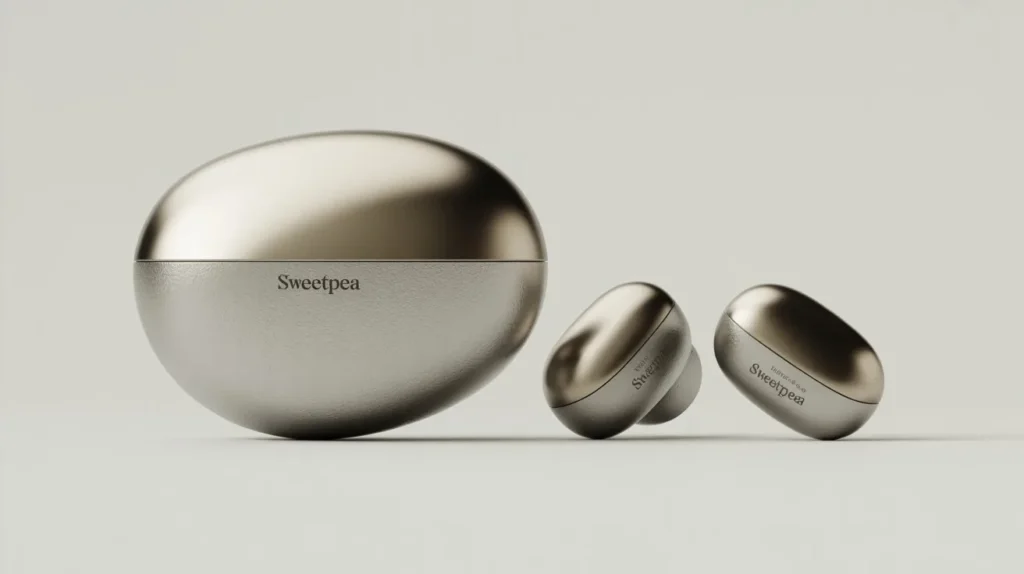
OpenAI ‘Sweetpea’: The AI Headphones Set to Compete with AirPods Starting September 2026
OpenAI has already made its mark on our screens. The next battleground is one that takes place off-screen: in our ears, on our desks, and in our daily routines.
A leak reported this weekend suggests that OpenAI is developing audio headphones intended to “replace” AirPods, featuring a unique design and grand industrial ambitions. However, as we delve into the details, it increasingly feels like a prototype — or a story that’s still quite malleable.
OpenAI Aims for Hardware, But Faces Challenges
The idea of OpenAI venturing into hardware is no longer far-fetched. The company has been linked for months to a project involving devices designed with Jony Ive’s team, although this collaboration has been hampered by a trademark dispute that forced OpenAI to retract public mentions related to the “io” branding.
In this context, the emergence of rumors about an audio product is not absurd: audio is the most natural format for a conversational assistant.
Hearing fresh detail on OpenAI “To-go” hardware project from last report. Now confirmed it is a special audio product to replace Airpods, internal code name is “Sweetpea”
On manufacturing, Foxconn has been told to prepare for total 5 devices by Q4 2028. All not known but a home… https://t.co/svOCBuyapI pic.twitter.com/SFumFfRIeF
— 智慧皮卡丘 Smart Pikachu (Weibo) (@zhihuipikachu) January 12, 2026
Egg-shaped Design, 2 nm Chip, Targeting AirPods
The rumor originates from a popular source (Smart Pikachu) on X: an audio product codenamed “Sweetpea,” featuring a metal egg-shaped case and two “pill” modules designed to sit behind the ear.
The same narrative mentions a “smartphone-style” 2 nm chip (likely Exynos), a very high manufacturing cost (BOM “similar to a smartphone”), a target release in September, and projected volumes of approximately 40–50 million in the first year.
At this point, all of this falls under the category of unconfirmed rumor: neither OpenAI, Foxconn, nor Samsung have validated any details.
Why Do the Specifications Seem Questionable?
Three aspects at least come off as “optimistic.”
- A 2 nm chip in headphones is unusual: Headphones typically use ultra-efficient SoCs (Bluetooth, ANC, DSP) — not chips found in “smartphones.” The 2 nm makes sense for CPU/GPU performance but much less so for a device where power efficiency and dissipation are key concerns.
- “Replacing iPhone actions by commanding Siri” is paradoxical: Siri is an Apple system. While it’s feasible to imagine OpenAI headphones triggering Siri as a control layer (today, any headset can activate an assistant), the concept of an OpenAI product designed to “replace actions on iPhone via Siri” lacks strategic clarity — especially since OpenAI is aiming to promote ChatGPT as the main interface.
- 40–50 million units is another planetary scale: AirPods are an established giant, supported by the iOS ecosystem and years of integration. For a newcomer — even OpenAI — such volumes would require global distribution, customer support, certifications, and logistics already in place, plus an irresistible offering from the get-go. It’s possible, but it doesn’t feel like a “first step.”
Audio Is the Logical Battlefield for AI
Even if “Sweetpea” is exaggerated, the intuition behind it is coherent: AI seeks a constant channel. Following “Pin” and screenless gadgets, the headphone is the most credible object for an assistant: always worn, naturally vocal, compatible with agent logic (reminders, purchases, navigation, messages).
However, this is also where Apple excels: AirPods are not merely an audio product; they are an extension of the system.
Monitoring for Signs of This Leak Becoming “Real”
If this story gains substance, we should soon see indicators from the supply chain corroborated by multiple sources (not just X posts), evidence of radio certifications (FCC/CE), audio partners, clarification on architecture: whether it’s all smartphone-based (with the headphone serving as an interface) or AI-embedded (which would justify a more ambitious chip), and especially, an answer to the critical question — why buy this instead of AirPods + ChatGPT?
For now, “Sweetpea” resembles more a rumor capitalizing on the hype of “OpenAI + Jony Ive” rather than a product ready to challenge Cupertino. Yet, if OpenAI genuinely wants to enter the hardware space, this is likely the starting point: a discreet audio object focused on conversation.



