

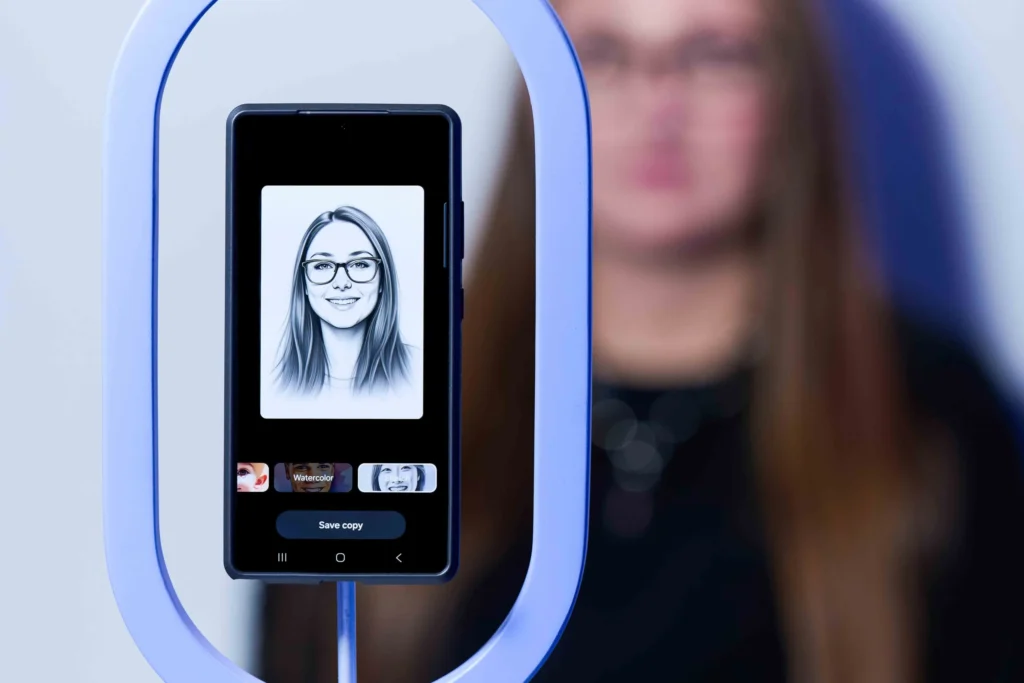
Galaxy S26 Ultra: Samsung is refining portrait photography to align with reality
Instead of chasing megapixels this time, Samsung seems to be making a promise that is subtler—and possibly more significant. New rumors regarding the Galaxy S26 Ultra suggest that Samsung is addressing two persistent issues with its cameras: overly warm skin tones and subpar flare management in challenging conditions.
More Accurate Skin Tones in Focus
The information comes from leaker Ice Universe, noted for providing accurate insights on Samsung products. According to him, the manufacturer is working on a new color calibration aimed at making portraits look more like the real person, rather than a warm, sometimes overly yellow version.

This is a sensitive point. Skin tones often become the aesthetic signature of a smartphone, but they can also expose its weaknesses. In indoor or mixed lighting, a warm balance can quickly produce an artificial look. This has been noted across several generations of Galaxy devices, where faces could appear slightly yellowish.
Flare: The Detail That Ruins a Good Portrait
The same leak also mentions a new optical setup, with a redesigned lens and improved surface treatment to reduce flare. Such enhancements may not make headlines, but their impact is very real.
Ill-controlled light sources—like backlit windows, street lamps, or neon signs—can obscure an image, crush contrast, and ruin a well-composed portrait. These artifacts were recently highlighted in photo comparisons between recent Galaxy models and the iPhone 16 Pro, especially in nighttime scenes with harsh lighting.
Why These Adjustments Matter More Than a New Sensor
If the rumor proves true, the message is clear: Samsung would prioritize consistency and clarity in image rendering over simply introducing another technical upgrade. No revolutionary sensor is on the horizon, but rather optical and software choices that will impact every everyday photo.
This is particularly strategic given that discussions around the Galaxy S26 series suggest a rather incremental overall evolution. In this context, a visible improvement in each portrait could be more significant than just another number in a technical specification.
How to Evaluate These Improvements When They Arrive
When the first tests of the Galaxy S26 Ultra emerge, it will be crucial to steer clear of expertly lit promotional shots. The real evidence will be found elsewhere:
- backlit faces,
- rooms lit by multiple light sources,
- night portraits with harsh lighting points.
These scenarios will showcase both the accuracy of skin tones and the effectiveness of anti-reflective treatments. If Samsung has indeed addressed these two aspects, the difference should be apparent from the first side-by-side comparisons.
In summary, the Galaxy S26 Ultra could represent a subtle but essential turning point: less of a “signature” effect, and more reality in faces. And in mobile photography, it is often these kinds of details that determine whether we keep—or discard—a photo.



