

Foldable iPhone: Apple Drops Face ID in Favor of Touch ID
The foldable iPhone, expected next year alongside the iPhone 18 lineup, is set to break away from one of the cornerstones of the modern iPhone experience. According to new leaks, Face ID will not be included in this groundbreaking model. The reason is purely hardware-related: the necessary sensors would not fit within the chassis of the foldable smartphone.
A constrained decision, but far from improvised.
Why is Face ID incompatible with the foldable design?
Multiple previous reports, confirmed by this new leak, indicate that the issue primarily concerns internal space. The foldable format already requires significant compromises: complex hinge, dual battery, flexible display, and reinforced structure.
In this context, integrating all the TrueDepth sensors necessary for Face ID — infrared camera, dot projector, depth sensors — becomes exceedingly complicated, if not impossible, without sacrificing other key elements.
This same obstacle would also hinder the integration of an under-display fingerprint sensor, which is common in Android devices.
The most likely solution: Touch ID on the power button
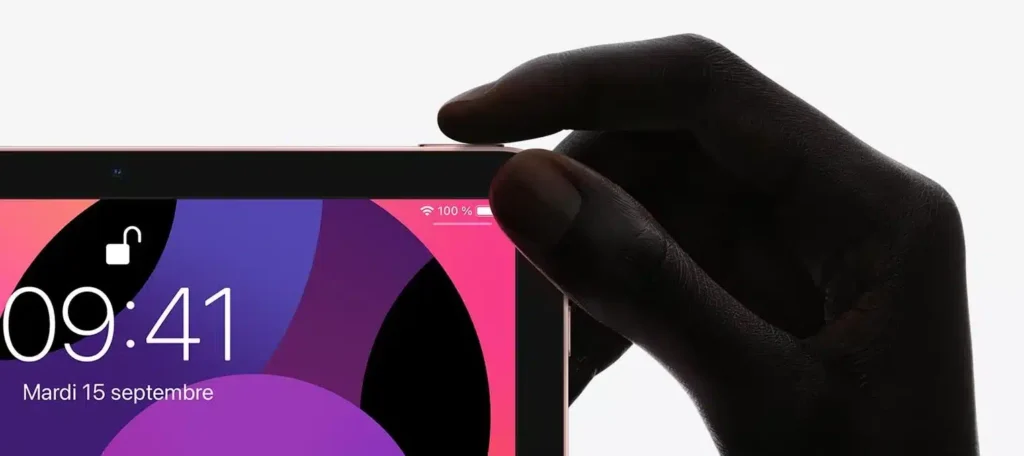
Faced with these constraints, Apple seems to have opted for a pragmatic approach. According to sources, the foldable iPhone will feature Touch ID integrated into the side power button, a solution already utilized in some recent iPads.
This decision offers several advantages: proven reliability, quick unlocking, absence of bulky components under the display, and functionality regardless of the phone’s position (open or closed).
For some users, this solution may even be preferable to Face ID, particularly in situations where facial recognition is less practical.
A decision that reflects the product philosophy
The abandonment of Face ID appears not to be just a technical compromise, but rather a reflection of a product conceived differently. Renderings and leaks suggest that Apple is aiming for a foldable format that is wider than it is tall once deployed, resembling a mini iPad.
The aim is clear: to encourage predominantly deployed use, ensure perfect compatibility with iPad applications, and provide a true hybrid experience between smartphone and tablet.
However, the device may appear bulkier when folded, a stylistic and ergonomic choice that could spark debate.
Between pragmatism and risk-taking
Functionally, Touch ID on the side button is a solid, proven, and non-controversial solution. It is not expected to significantly hinder product adoption. The real gamble for Apple lies elsewhere: in the very format of the foldable iPhone. Wide, designed for deployed use, and sitting midway between a phone and tablet, it veers away from traditional smartphone norms.
An audacious choice, which could either redefine the market… or leave some users wanting.



