

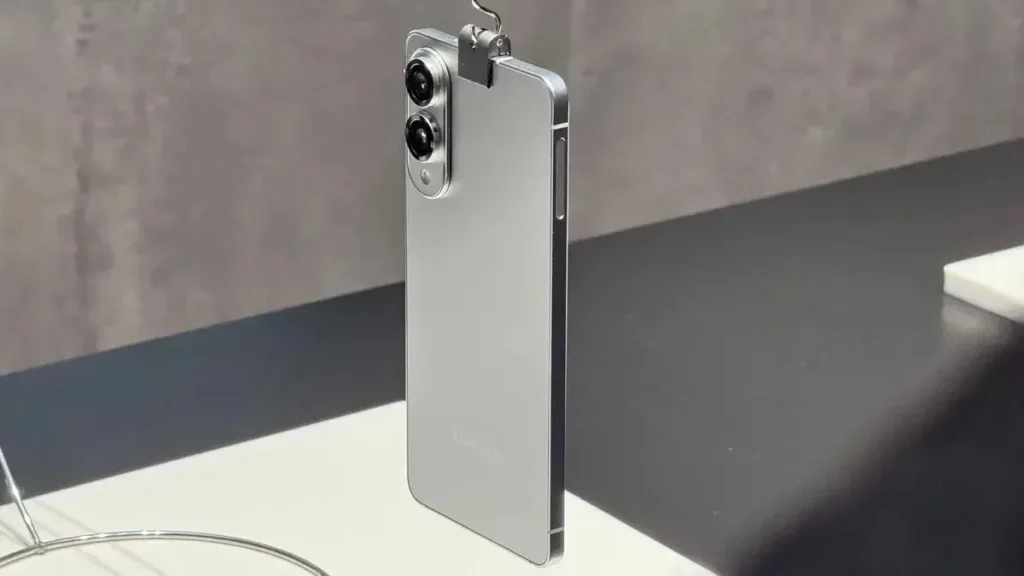
Samsung may end the ultra-thin smartphone experience after the failure of the Galaxy S25 Edge
The era of ultra-thin smartphones at Samsung may be coming to an end. According to multiple sources, the South Korean manufacturer has decided to halt the development of a successor to the Galaxy S25 Edge due to unsatisfactory sales and limited consumer interest.
This decision indicates a significant shift from Samsung’s initial ambitions in this segment, which was heavily promoted during the Galaxy S25 Edge launch.
A Project Long in Doubt, Now Abandoned
Initially, there were rumors of a major strategic change: Samsung was considering replacing the Galaxy S26+ with a new Edge model in 2026, focusing on an even thinner and lighter design.
Subsequent plans evolved into a more cautious “wait and see” approach. Recent information suggests that the project has simply been canceled, indicating that the commercial performance of the Galaxy S25 Edge did not justify continuing the experiment.
Too Many Compromises to Attract the General Public
The Galaxy S25 Edge focused almost exclusively on its extreme thinness. While this was a strong aesthetic choice, it came with significant compromises.
The most criticized aspect was battery life. With a 3,900 mAh battery, the Galaxy S25 Edge struggled to last a full day under real usage, a glaring flaw for a phone marketed as high-end.
Another significant compromise was in photography. The Edge model lacks a telephoto lens, limiting its versatility. This weakness is also seen in the iPhone Air, which relies on a single rear sensor. These choices highlight a clear trend: for most buyers, battery life, thermal management, and photographic versatility outweigh the benefit of a few millimeters saved in thickness.
Apple Also Scaling Back on Ultra-Thin Devices
Samsung is not alone in re-evaluating its position. According to a report published in October, Apple has reduced production of the iPhone Air by about one million units, indicating that demand has not met expectations.
With little competitive pressure in this segment, Samsung likely has no strategic reason to continue investing in a category perceived as marginal.
A Clear Lesson for the Industry
There were discussions about a future Edge model featuring a larger battery, but there is no indication that this would have changed user perceptions. At this stage, Samsung seems to favor a return to more balanced flagship models that can meet everyday needs without major compromises.
This situation underscores an increasingly evident reality: while ultra-thin smartphones attract attention during launch announcements, they struggle to maintain appeal over time. By 2026, the industry may well take a pause—or even completely abandon—this experiment, both at Samsung and Apple.



