

Mobvoi discreetly exits the market: the end of TicWatch and a new blow for Wear OS
Without formally announcing it, the brand behind TicWatch appears to have shelved its smartwatch ambitions. Wear OS loses yet another player.
For years, Mobvoi has been one of the “alternative” pillars of Wear OS: versatile, affordable watches, sometimes innovative (dual-layer screens, extended battery life), and notably, a rare brand offering a genuine counterbalance to giants like Samsung and Google.
But 2025 could mark the end of the story.
Mobvoi leaves uncertainty… but all signs point to the death of TicWatch
The situation is clear — even if Mobvoi refuses to clearly state it: no new models in over a year, all TicWatch products removed from the official site and Amazon, and a vague statement in response to 9to5Google: “We have no new information to share.”
In other words: Mobvoi doesn’t want to say they’re quitting, but they don’t plan to continue. The only commitment from the brand is summed up in a somewhat alarming phrase: “Existing devices will continue to receive essential support.”
Which, in the language of manufacturers, typically means: minimal updates, critical patches — but no further software evolution.
In other words: Wear OS 5, Wear OS 6? Forget it. Many TicWatch models never even received Wear OS 5.
The Wear OS massacre continues
Mobvoi joins a list of manufacturers that have already abandoned ship:
- Fossil, which definitively stopped producing smartwatches last year.
- Tag Heuer, which migrated away from Wear OS to its proprietary OS, launching the first watch certified Made for iPhone.
- Montblanc, which has also significantly slowed its launches.
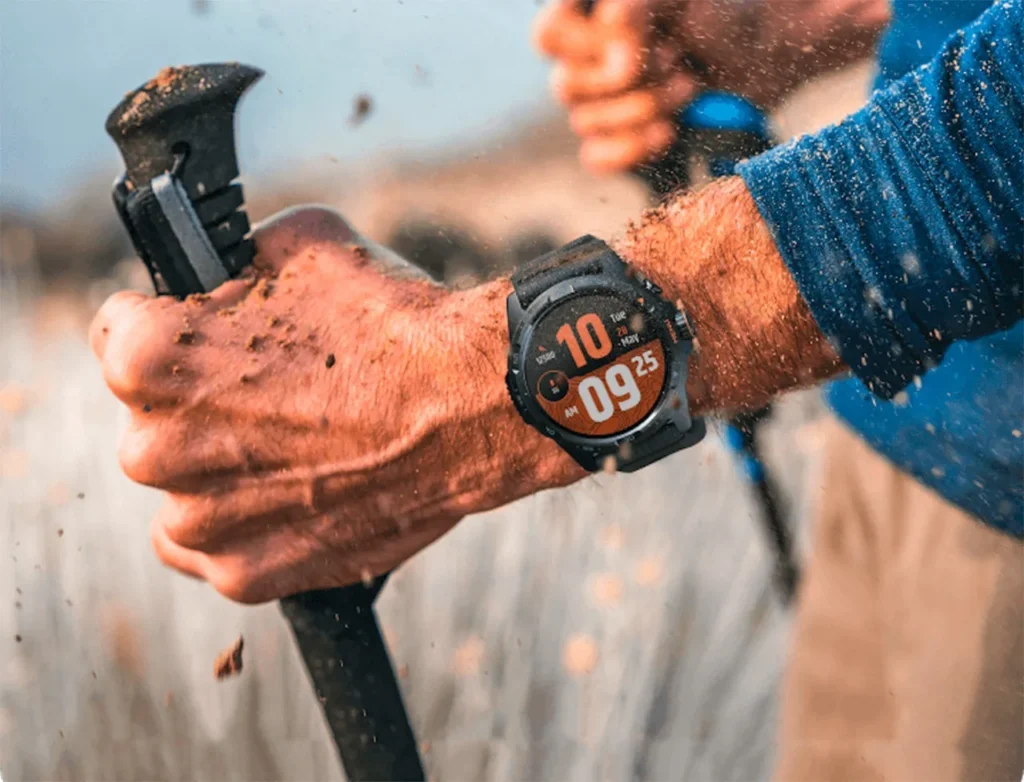
The TicWatch, whose latest model — the TicWatch Atlas (2024) — aimed to be an affordable alternative to the Apple Watch Ultra, never managed to keep pace with updates.
And in the world of smartwatches, good hardware alone is no longer enough: software has become the key battleground.
Why this isn’t surprising
Apart from Garmin, Polar, and a few specialized sports brands, the smartwatch market is now dominated by… smartphone manufacturers:
- Apple → Apple Watch
- Samsung → Galaxy Watch
- Xiaomi, Oppo, OnePlus → their own watches
- Huawei → HarmonyOS Watch
Mobvoi has never sold smartphones.
They therefore did not benefit from the ecosystem effect, which has become essential: people today buy a watch to complement their phone, not as a standalone device.
Under these conditions, surviving against Samsung and Google has become exceedingly difficult.
Wear OS: a renaissance for some, a graveyard for others
Since 2021, Wear OS has revived thanks to the Pixel Watch, Samsung’s transition to Wear OS with the Galaxy Watch 4, and shared tools between Android, Fitbit, and Google. But this revival has primarily benefited… Google and Samsung.
Other brands, even those motivated, have never managed to keep up with the pace of updates, nor absorb the costs of major technical transitions of Wear OS.
And now, Mobvoi falls. A symptom, not an exception.
Mobvoi has made its mark in the history of Wear OS with ultra-low consumption screens, above-average battery lives, robust models like the Atlas, and often unbeatable value for money.
However, the persistent issues with updates, software delays, and fragmentation have eroded user trust.
What is disappearing today is not Wear OS: it is the era of small independent brands capable of competing on their own.



