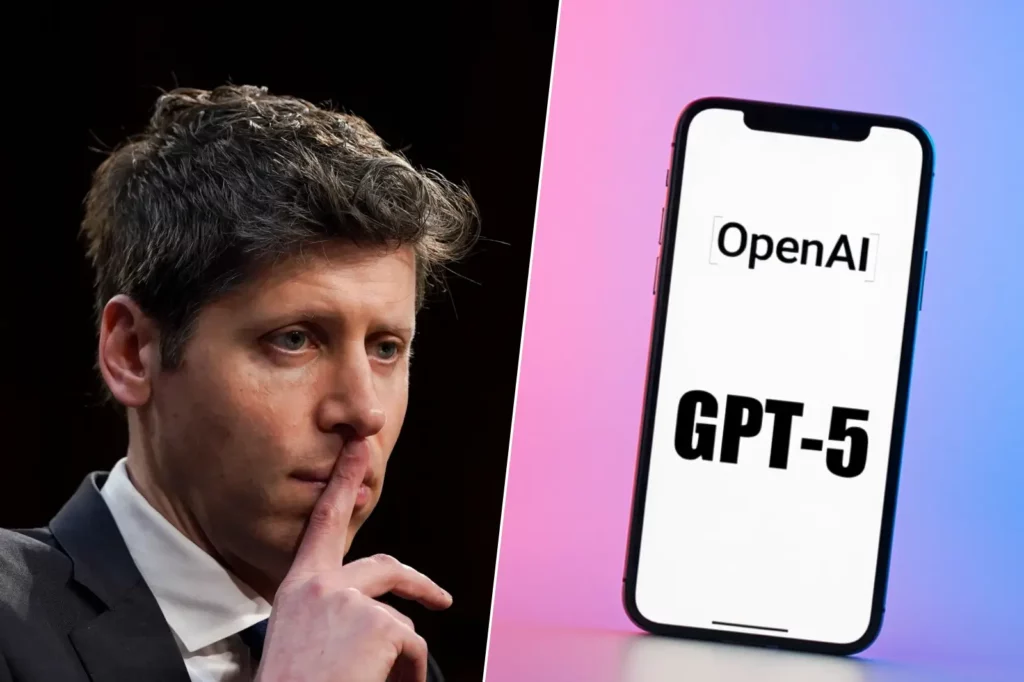
After months of dominating the AI landscape, OpenAI faces a harsh reality check. An internal memo signed by Sam Altman, revealed by The Information, highlights growing unease within the company and a very real threat from Google.
A waning hegemony: Google returns to the race, and it shows
For two years, OpenAI set the pace. Sam Altman and his team forced everyone, including Google, to run in their wake. However, 2025 is turning out quite differently than the CEO envisioned.
A recent internal memo, revealed by The Information, confirms a shared sentiment in the industry: the dynamic has shifted. Altman describes a “bad atmosphere” affecting the teams. Gone are the ambitious talks about AGI. Today, OpenAI feels besieged, not by regulation or lawsuits, but by a resurgent competition. This acknowledgment from the top boss could shake the entire AI ecosystem.
The Gemini 3 shock: Google strikes hard, Altman acknowledges it
This is the most surprising admission. Sam Altman concedes that Google has gained an edge, particularly in the pre-training of models, which had long been considered OpenAI’s stronghold. For the less tech-savvy, this is what enables a model to perform exceptionally well, even impressively.
Since the launch of Gemini 3 Pro, Google is no longer just catching up to OpenAI. According to several independent benchmarks, and even Altman himself, Google is performing on par, if not better in key tasks. The message to his engineers is clear: they need to “quickly close the gap”. At the same time, Anthropic and its Claude 4.5 are also maintaining constant pressure on the sector.
Slowed growth: Altman’s other concern
The most troubling issue isn’t just competitors; it’s also financial. The real crux of the matter is money. The internal memo casts a shadow on the company’s prospects. In the AI economy, the illusion of ceaseless expansion seems to be fading.
OpenAI generates around $13 billion in annual revenue. An impressive figure. However, in tech, speed is what counts. Altman warns that growth could drop to single digits by 2026. For a company valued at hundreds of billions, this is a red flag, especially as the base of paying users appears to have plateaued.
End of the illusion: OpenAI becomes a typical company
The document mentions “temporary economic difficulties.” Translation? The market is saturating. Those who wanted to pay have done so. Individual subscribers are looking elsewhere or opting for free versions. Even businesses, once captivated by the promises of productivity, are hesitant to increase spending.
The outcome is that OpenAI is now a normal company. It faces competitors on equal footing, with its own vulnerabilities. And against a formidable Google, integrated from chips to smartphones, Sam Altman has ample reasons for concern. The era of magic seems to be behind them. It’s time for realism and an endurance battle.